
Russia’s Arctic-2 LNG project to start operations later this year
- August 19, 2023
- Posted by: Quatro Strategies
- Categories: Europe, Oil & Gas
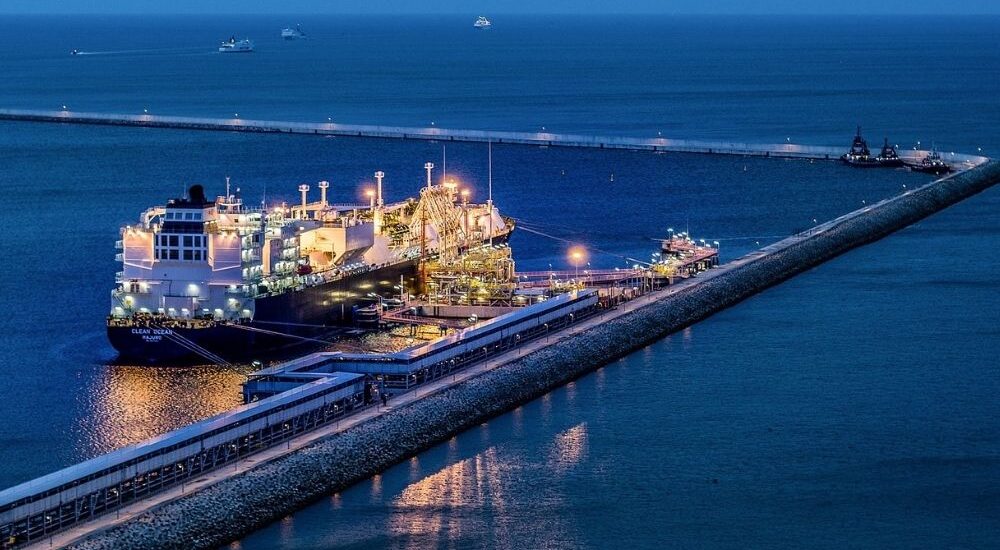
The Arctic-2 LNG project, led by Russian company Novatek, is progressing as scheduled with its first phase expected to start operation later this year. The project includes various international partners, including China National Offshore Oil Corporation (CNOOC), which holds a 10% stake.
Novatek is the majority stakeholder with a 60% share, while other participants include French energy company TotalEnergies, China National Petroleum Corporation (CNPC), and a consortium consisting of Mitsui & Co. and JOGMEC from Japan, each holding a 10% stake.
According to Xie Weizhi, the Chief Financial Officer of CNOOC, all partners have been continuing to finance the project as planned, indicating that funding is on track and there are no indications of delays. This aligns with the stance of Chinese state energy companies to proceed with existing projects in Russia while refraining from committing to new investments.
The Arctic-2 project is part of Russia’s efforts to tap into its extensive Arctic resources and expand its liquefied natural gas (LNG) production capacity. It represents a significant collaboration between multiple international partners to develop and export LNG from the Arctic region.
Interested in learning more?
Sign up for Top Insights Today

Top Insights Today delivers the latest insights straight to your inbox.
You will get daily industry insights on
Oil & Gas, Rare Earths & Commodities, Mining & Metals, EVs & Battery Technology, ESG & Renewable Energy, AI & Semiconductors, Aerospace & Defense, Sanctions & Regulation, Business & Politics.
Read more insights
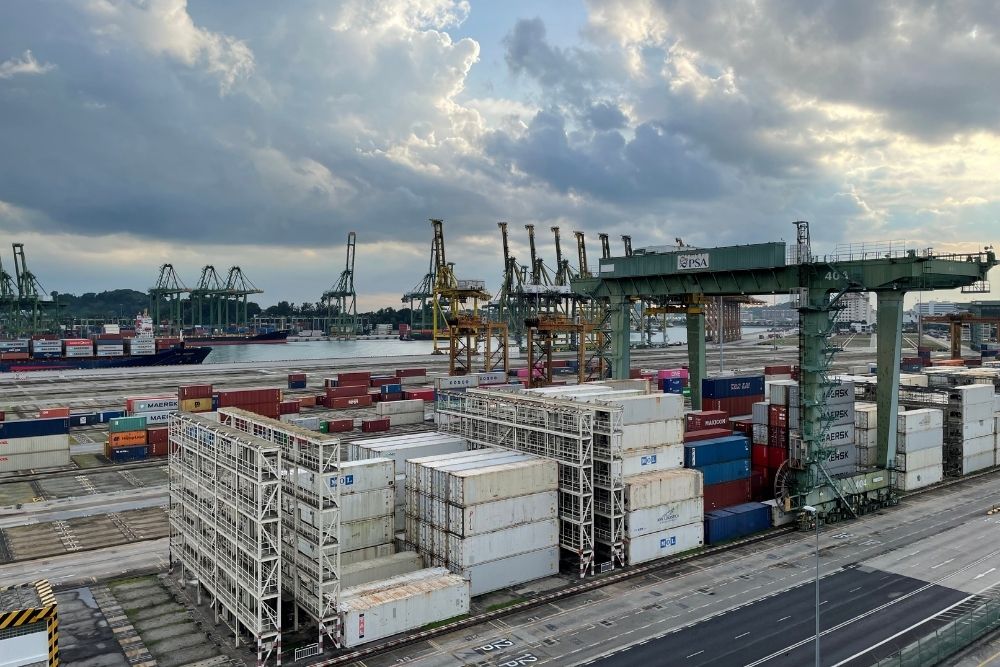
Global market dynamics balancing optimism with caution in early 2024
The trading of CME Group Inc.’s lithium hydroxide futures contract has experienced a significant surge in activity, reflecting growing interest from investors and market participants amid fluctuations in the prices of the battery metal. In the first quarter, the number of outstanding contracts reached a record…
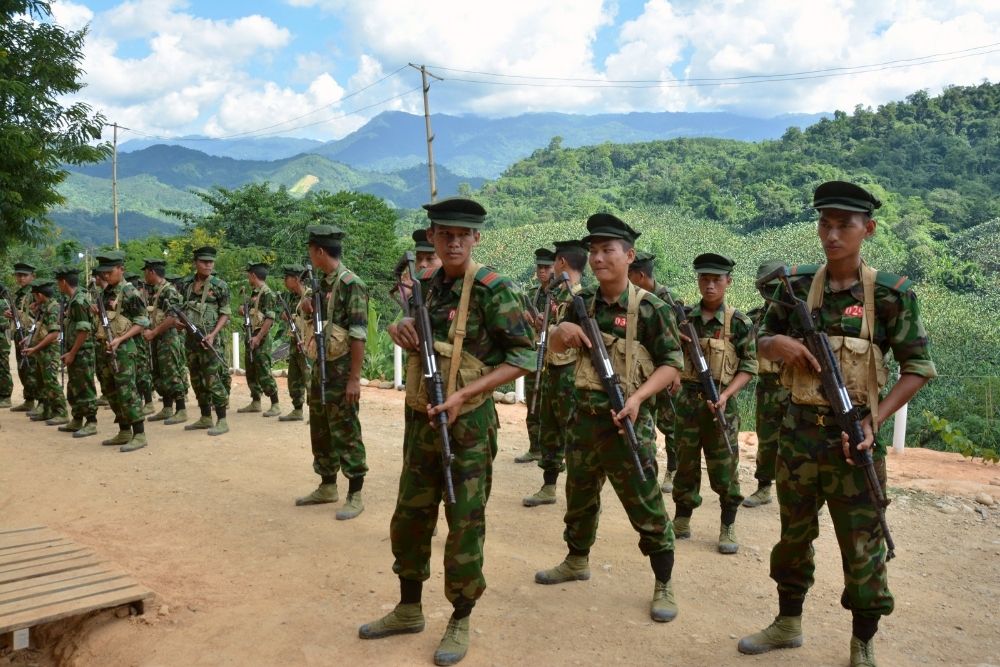
Global rare earth supply at risk as Myanmar rebels defy China
The stability of global heavy rare earth supplies — critical for electric vehicles, wind turbines and a host of defense applications — now hangs on a volatile front line in the remote hills of northern Myanmar. Here, the Kachin Independence Army (KIA), a powerful ethnic militia, is waging an intensified campaign to capture the strategic town of Bhamo, brushing aside mounting pressure from Beijing to stand down.
Since December, the KIA has been locked in fierce combat with Myanmar’s Chinese-backed military junta for control of Bhamo, just 100 km from China’s border. The town serves as a critical garrison and logistical lifeline for the junta’s forces in Kachin state — an area that happens to be the heart of the world’s heavy rare earth mining.
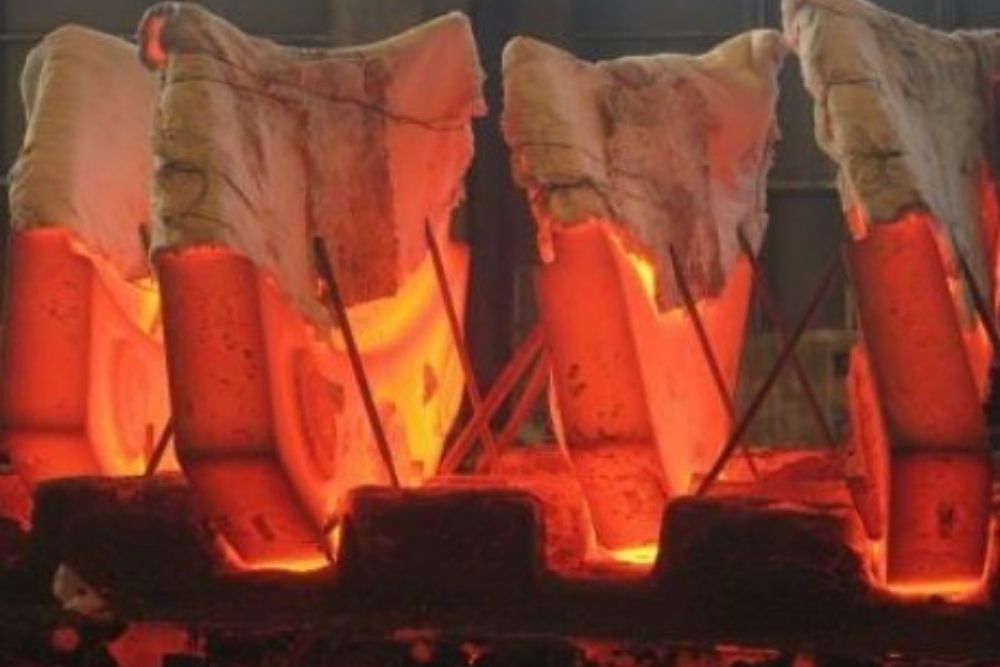
Chinese copper smelters gather to discuss concentrate market and output plans
Leading Chinese copper smelters are set to convene for a quarterly meeting next week amid concerns over plunging processing fees that threaten their profitability. The meeting, scheduled for next Thursday in Shanghai, will involve smelters such as Jiangxi Copper Co. and Tongling Nonferrous Metals Group…