
China’s CATL introduces new fast-charging LFP battery
- August 19, 2023
- Posted by: Quatro Strategies
- Categories: China, EVs & Battery Technology
Chinese battery manufacturer CATL (Contemporary Amperex Technology Co. Ltd) has introduced a new fast charging lithium iron phosphate (LFP) battery named Shenxing, capable of running 400 km (248 miles) on just a 10-minute charge. The company plans to begin mass production of this new battery by the end of the year, with electric vehicles (EVs) equipped with Shenxing batteries expected to hit the market in the first quarter of 2024.
CATL’s Chief Technology Officer of E-Car Business, Gao Han, mentioned that the company’s goal is for Shenxing to become a standard product available for a wide range of electric vehicles. This new battery technology could significantly reduce charging times and make EVs more practical for longer trips.
CATL has been a major player in the battery industry and is a supplier to various automakers, including Tesla. However, the company has been facing challenges in maintaining its market leadership due to weakening demand and cost pressures in the EV industry. The rise of competitors like BYD and the trend of some automakers sourcing batteries from smaller suppliers to reduce costs have affected CATL’s market share.
This move by CATL to introduce a fast charging LFP battery could help the company regain its edge in the competitive battery market and meet the growing demand for more efficient and faster-charging EVs.
Interested in learning more?
Sign up for Top Insights Today

Top Insights Today delivers the latest insights straight to your inbox.
You will get daily industry insights on
Oil & Gas, Rare Earths & Commodities, Mining & Metals, EVs & Battery Technology, ESG & Renewable Energy, AI & Semiconductors, Aerospace & Defense, Sanctions & Regulation, Business & Politics.
Read more insights
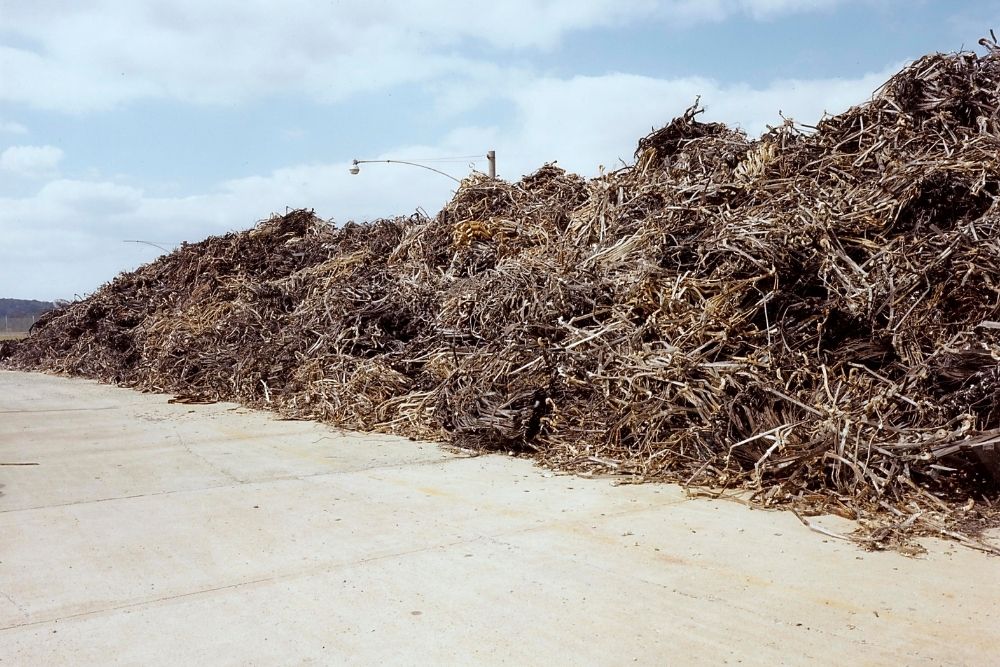
Germany urges EU action to block Chinese siphoning of copper scrap
Germany has fired an early warning shot over Europe’s growing vulnerability in the copper sector, with Economy Minister Katherina Reiche urging EU-wide action to stop China from siphoning off critical scrap supplies. Speaking at a Siemens Energy event in Berlin, Reiche said Chinese buyers were acquiring “huge quantities” of copper scrap from the global market, leaving major German smelters starved of feedstock.
The remarks highlight how the global struggle over critical raw materials is increasingly shaping trade, industrial, and geopolitical agendas. Europe’s copper sector has been under mounting strain for several years as mined ore becomes more costly and competition for secondary supply tightens. China, which already dominates refined copper output and has built out vast smelting capacity, has accelerated imports of scrap as an alternative to concentrate.
Geopolitical fears and tariff risks weigh on Europe’s IPO hopes
Europe’s companies and investors remain wary of fresh public listings even as volatility recedes and capital floods back into equity markets, with geopolitical uncertainty and trade risks casting long shadows over IPO pipelines across the region.
While global markets have largely stabilized since the tremors caused by U.S. President Donald Trump’s sweeping tariff threats in April — and the subsequent partial reprieve — many investors are still reluctant to jump into new offerings, particularly amid persistent concerns over the conflict between Israel and Iran and broader tensions across the Middle East.
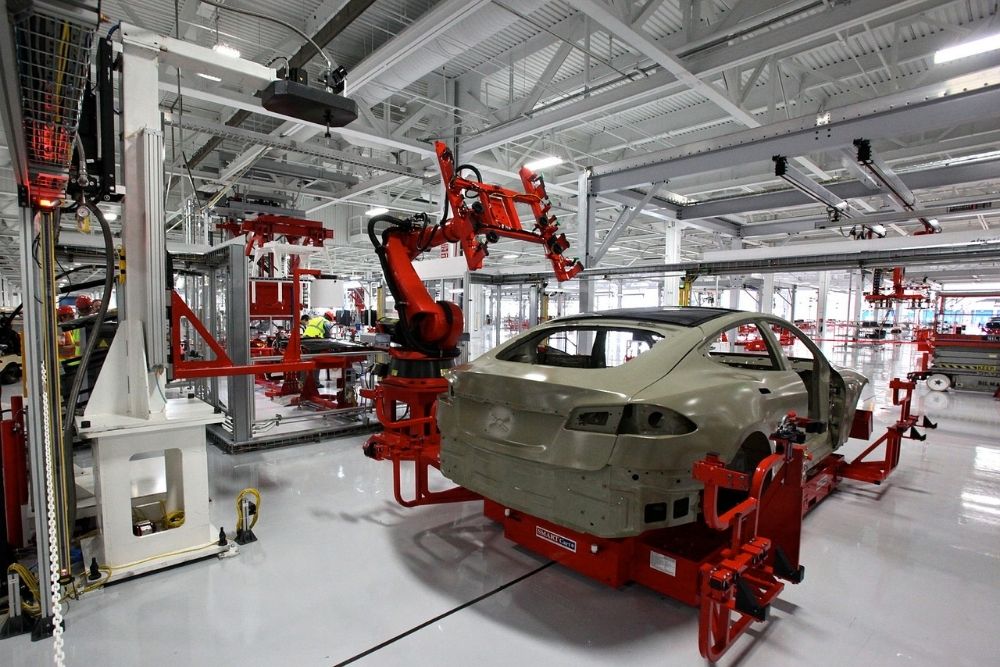
Global factory rebound stalls as Europe and Asia slip back into contraction
Factories across much of Europe and Asia limped through November, confirming that the global manufacturing rebound is still fragile and uneven, and that tariffs, China-related tensions and weak domestic demand are weighing more heavily than any tailwinds from improving trade talks.
In the euro area, manufacturing slipped back into contraction after a brief period of stabilisation. The latest purchasing managers’ index for the bloc dipped below the 50 mark that separates expansion from decline, with Germany again the main drag.