
Indonesians still not sold on EVs despite government push
- August 21, 2023
- Posted by: Quatro Strategies
- Categories: Asia Pacific, EVs & Battery Technology
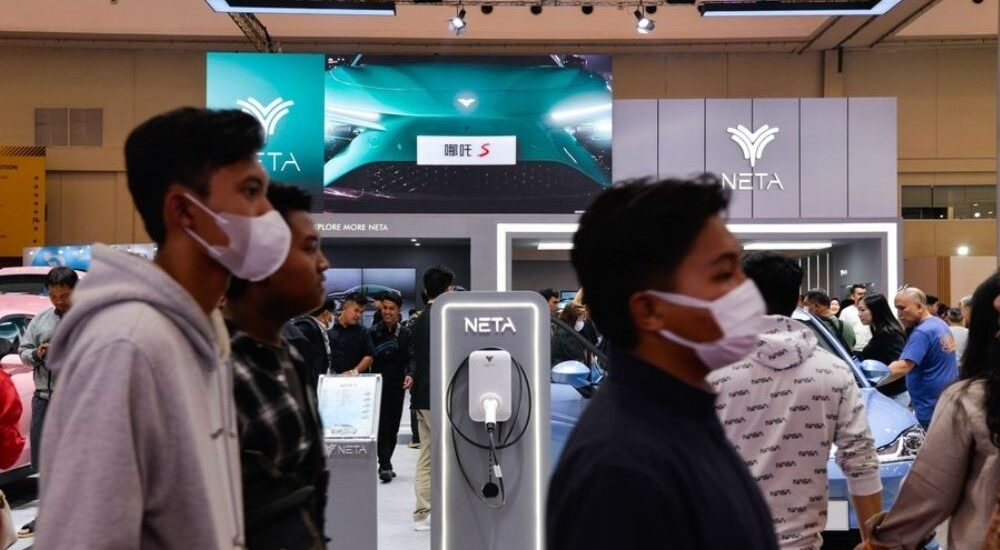
Indonesia is making ambitious plans to boost the production and sales of electric vehicles (EVs) in its auto market, but potential buyers remain cautious due to several factors. While the government has taken steps to encourage EV adoption, including slashing the value-added tax on EVs to 1%, visitors to the Jakarta auto show expressed concerns about the price premium of EVs, the availability of charging stations, and doubts about new brands entering the market.
Although Indonesia is competing with countries like Thailand and India to develop a competitive EV industry as an alternative to China, which is the largest global producer of EVs, the adoption of EVs in the country remains low, accounting for less than 1% of cars on the road.
Visitors at the auto show voiced their desire for more affordable EV options, with some suggesting that prices should be around 60% cheaper to make them more appealing. The price differential between EVs and gasoline-powered cars was a significant concern for potential buyers. While the Indonesian government’s incentives have brought down the starting price of some EV models, visitors were looking for even lower prices, potentially around $10,000 to $13,000.
Despite the government’s efforts, consumer confidence in EVs remains an issue. Some visitors expressed a preference for established brands like Toyota, Daihatsu, and Honda, which together dominate two-thirds of the auto sales in Indonesia. They indicated that they would be more interested in EVs from these brands. Toyota, however, has not yet announced plans to produce EVs in Indonesia.
To encourage further investment and development in the EV sector, Indonesia’s industry ministry announced that it would extend production incentives for automakers by two more years. This move was followed by investment commitments from Chinese EV brand Neta and Japanese automaker Mitsubishi Motors. Indonesia has set a target of producing around 600,000 EVs by 2030, a significant increase from the relatively small number sold in the country in the first half of 2023.
Despite these challenges, the Indonesian government remains optimistic that initiatives like the Jakarta auto show will help drive EV sales and accelerate the adoption of electric vehicles in the country. However, it’s clear that addressing concerns about affordability, charging infrastructure, and brand confidence will be critical in achieving the country’s EV adoption goals.
Interested in learning more?
Sign up for Top Insights Today

Top Insights Today delivers the latest insights straight to your inbox.
You will get daily industry insights on
Oil & Gas, Rare Earths & Commodities, Mining & Metals, EVs & Battery Technology, ESG & Renewable Energy, AI & Semiconductors, Aerospace & Defense, Sanctions & Regulation, Business & Politics.
Read more insights

Optimism drives copper prices up as Chinese demand signals recovery
Copper prices surged to their highest intraday level since January 2023, driven by tightening supply conditions and optimism regarding a recovery in Chinese demand, a crucial factor for the industrial metal. The price of copper rose by as much as 1.7% to reach $9484.50 per ton on Monday…
EV adoption may see improvement as battery prices continue downward trend
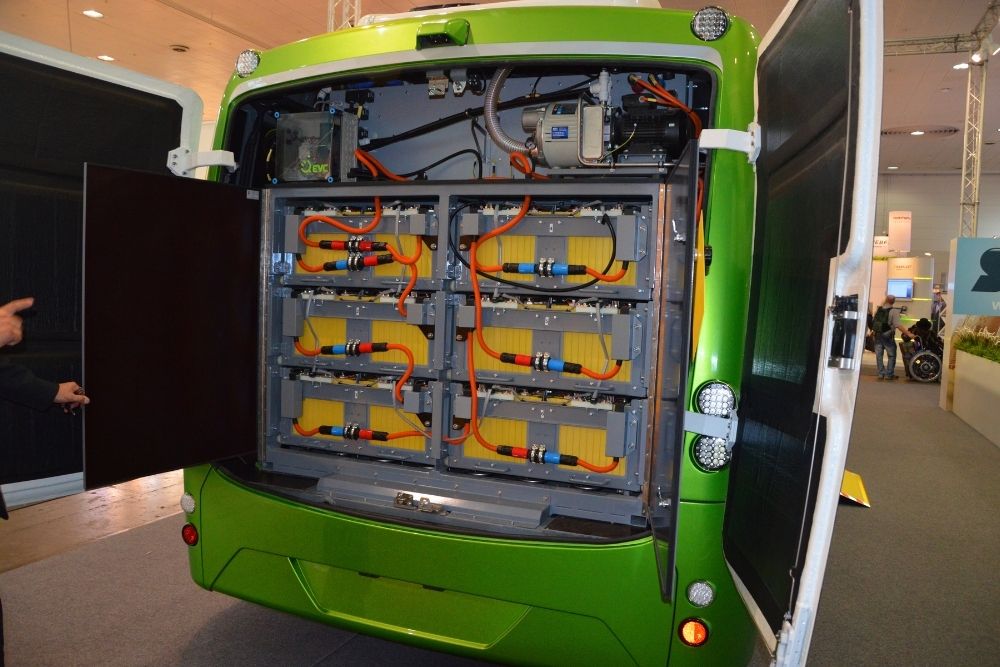
The affordability of electric vehicles (EVs) may see improvement as lithium-ion battery prices are resuming their long-term downward trend. The average pack price dropped to $139 per kilowatt-hour in 2023, reflecting a 14% decline from $161/kWh in 2022. While technological innovation…

AI could turn central-bank transparency from strength into vulnerability
Central banking spent forty years learning to explain itself. The transition from Alan Greenspan’s cultivated obscurity to the modern regime of published projections, press conferences and forward guidance was one of the genuine achievements of macroeconomic policy, credited with reducing volatility and making markets function better.
A paper presented at Jackson Hole on Saturday argued that this achievement may need to be abandoned, and that the reason is artificial intelligence. Economics has always assumed that people who know different things nonetheless share a common framework for interpreting what they know.