
Australia gives clearance for gold miner Newmont’s $16.8 billion Newcrest Acquisition
- August 22, 2023
- Posted by: Quatro Strategies
- Categories: Asia Pacific, Mining & Metals, Sanctions & Regulation
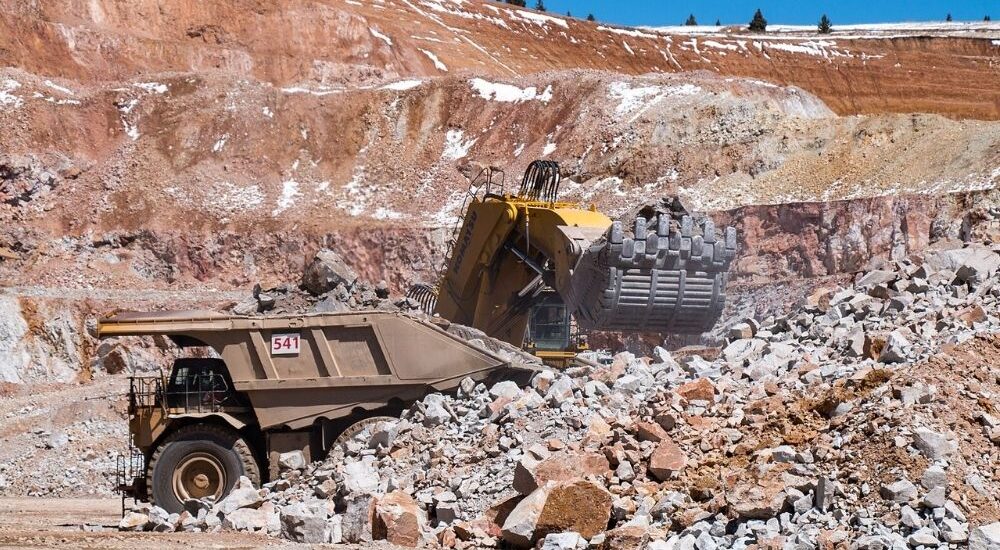
Gold mining company Newmont Corp has received clearance from the Australian Competition and Consumer Commission (ACCC) to proceed with its proposed A$26.2 billion ($16.80 billion) takeover of Newcrest Mining. Under the deal, Newcrest shareholders would receive 0.400 Newmont shares for each share they own, implying a value of A$29.27 per share.
Newcrest Mining had previously expressed its support for the takeover offer, making it one of the largest deals ever involving an Australian company.
The Australian Competition and Consumer Commission (ACCC) reviewed the transaction and determined that a public review was not necessary. However, Newmont’s takeover still requires approval from other regulatory bodies, including Australia’s Foreign Investment Review Board (FIRB), as well as regulators in Japan, the Philippines, and Papua New Guinea.
The deal reflects the ongoing activity and consolidation within the gold mining industry. Newmont’s move to acquire Newcrest Mining aligns with the company’s strategic efforts to expand its portfolio and enhance its position in the market.
The completion of the deal would depend on receiving the necessary regulatory approvals and fulfilling any other conditions set forth in the agreement.
Interested in learning more?
Sign up for Top Insights Today

Top Insights Today delivers the latest insights straight to your inbox.
You will get daily industry insights on
Oil & Gas, Rare Earths & Commodities, Mining & Metals, EVs & Battery Technology, ESG & Renewable Energy, AI & Semiconductors, Aerospace & Defense, Sanctions & Regulation, Business & Politics.
Read more insights
Washington turns grid security into authority over installed infrastructure
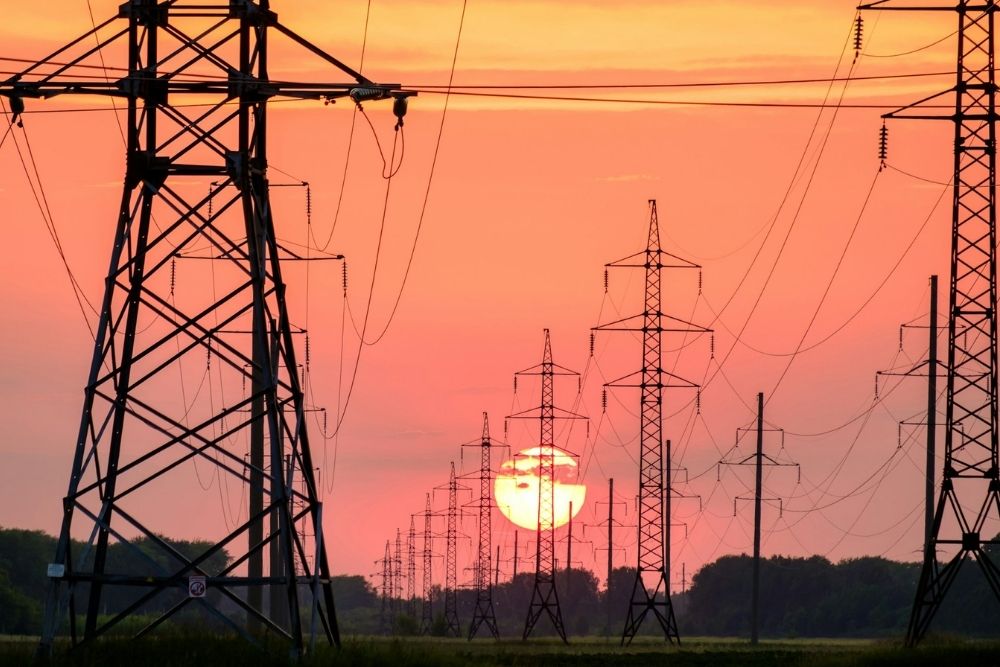
A national emergency is a specific legal instrument, not a rhetorical flourish. Wednesday’s executive order invokes the International Emergency Economic Powers Act and the National Emergencies Act to declare that foreign-produced bulk-power system equipment constitutes an unusual and extraordinary threat to American national security, foreign policy and economy.
The order’s own language contains the phrase that gives it reach: this threat exists both in the case of individual transactions and when transactions are considered as a class. That is not a mechanism for blocking a particular purchase. It is authority over an entire category of equipment.
Iran conflict rewrites energy transition as a resilience imperative
The Strait of Hormuz shock is exactly the kind of “fat tail” event that energy systems built around liquid fuels are structurally unable to hedge. It is not just a price spike; it is a logistics-and-insurance failure that rapidly becomes a political crisis because gasoline and diesel sit directly in the consumer’s face and under the freight system.
Electrification is one of the few strategies that doesn’t merely diversify suppliers or build bigger stockpiles, but shrinks the exposed surface area of the economy to oil chokepoints altogether. Governments keep treating Hormuz as an occasional crisis to be managed with emergency releases, when it should be treated as a recurring systemic risk that merits permanent risk reduction.
China’s export surge evolves into a global manufacturing strategy
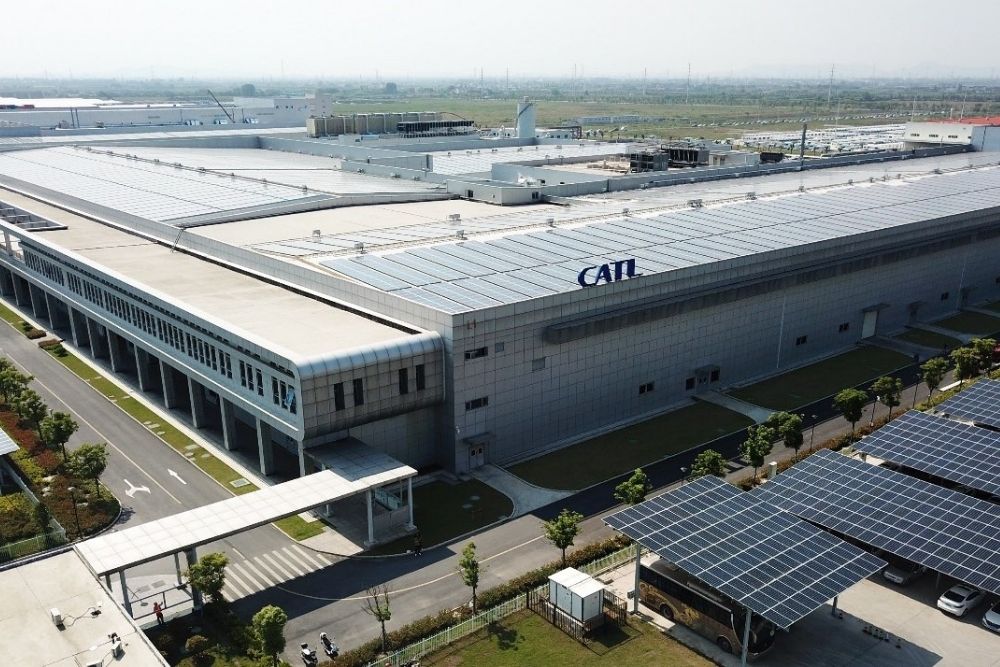
The July trade numbers describe an economy running on one engine at full throttle while the other sputters. Chinese exports rose 23.9 percent year on year to 397.85 billion dollars, producing a trade surplus of 112.5 billion, above the 107 billion expected though narrowed from June’s 125.6 billion.
Over the first seven months the surplus reached 687.37 billion dollars, putting the country on course to exceed a trillion for a second consecutive year after 2025’s record 1.189 trillion. Against that, second-quarter GDP grew 4.3 percent, below the target range, and retail sales managed minus 0.6 percent in May and 1.3 percent in June.