
Polymetal’s Russia assets attracts interest from Russian miners, Chinese investors
- August 22, 2023
- Posted by: Quatro Strategies
- Categories: Europe, Mining & Metals, Sanctions & Regulation

Gold and silver producer Polymetal International has attracted interest from various parties, including Russian miners and Chinese investors, for the acquisition of its Russian assets. The company had initially considered spinning off its Russian business but decided on a sale due to complications arising from US sanctions imposed on its Russian assets. Polymetal’s CEO, Vitaly Nesis, indicated that a sale is now the most viable option and aims to complete the process within the next six to nine months.
The sale process might face challenges, including regulatory requirements and foreign asset sales restrictions in Russia. The competition regulator and other factors might influence the sale, making the process more complex.
The US sanctions targeting Polymetal’s Russian business, along with other gold producers, were imposed as a response to Russia’s actions in Ukraine. Russian and Chinese companies, particularly from the mining sector, are reportedly among the potential bidders for Polymetal’s Russian unit.
While there have been speculations about interested parties, including Russian gold producer Polyus and entities controlled by various individuals, Polymetal has not confirmed any specific buyer at this time. The company spokesperson refrained from commenting on market rumors.
Despite concerns about potential government interference in business operations, Nesis expressed his belief that the Russian authorities would not seize Polymetal’s assets as they have done with companies like Danone and Carlsberg in recent times.
Interested in learning more?
Sign up for Top Insights Today

Top Insights Today delivers the latest insights straight to your inbox.
You will get daily industry insights on
Oil & Gas, Rare Earths & Commodities, Mining & Metals, EVs & Battery Technology, ESG & Renewable Energy, AI & Semiconductors, Aerospace & Defense, Sanctions & Regulation, Business & Politics.
Read more insights
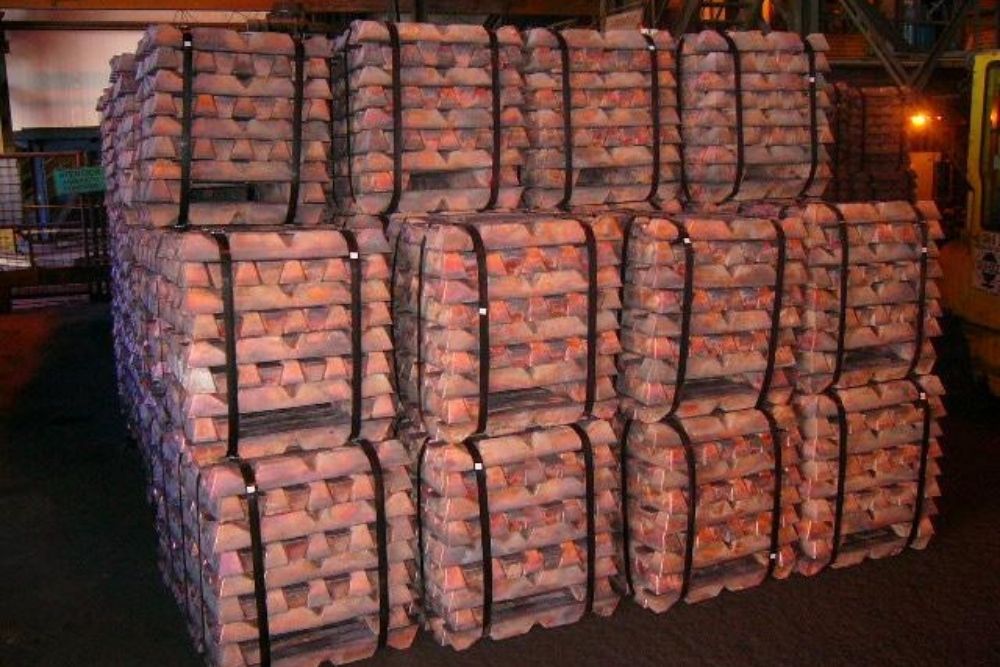
China sets new record for copper exports as domestic demand slows
China’s refined copper exports hit a record high in June, reflecting a significant shift in market dynamics. Shipments surged to 157,751 tons, more than doubling from May and surpassing the previous record of 102,000 tons set in 2012. This sharp increase follows recent data showing a rise in exports of unwrought copper and copper…
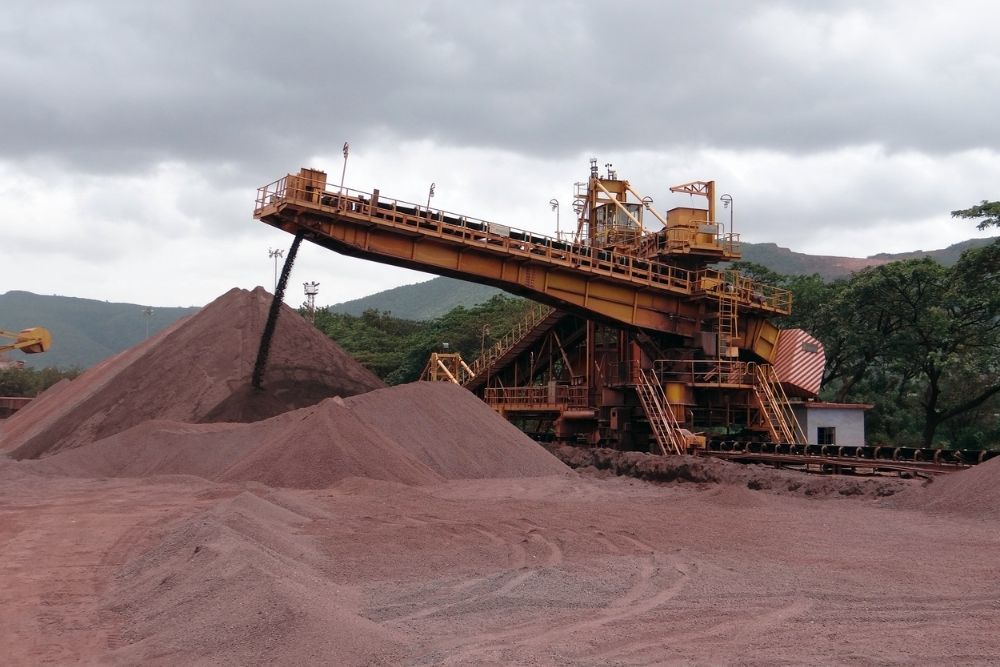
Asia’s steel boom keeps iron ore bullish and coal-heavy
The iron ore industry, gathered in Singapore this week, sought to position its product alongside the energy-transition metals like copper, lithium, and rare earths that have been the most persistently bullish part of the commodities sector, arguing that robust steel demand growth in South and Southeast Asia will more than offset declining production in China and the Western world.
Yet this optimism stood in sharp contrast to the fading hopes for green steel, as the bitter realization of the enormous cost of decarbonizing steel production has displaced the earlier enthusiasm and exposed the gap between climate ambitions and the economic and political reality.
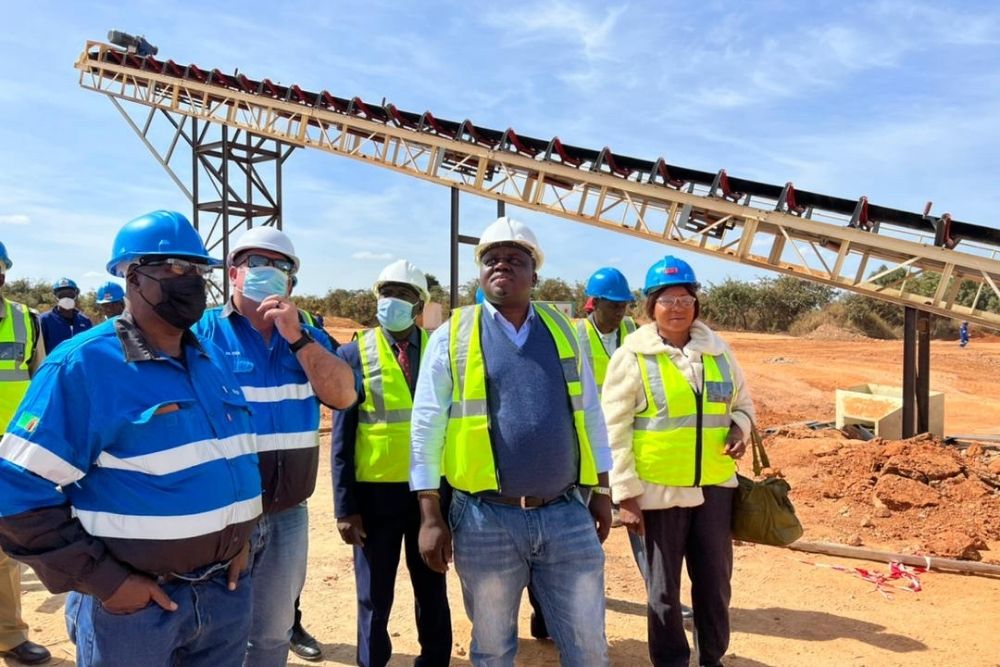
Zambia plans new entity to enhance mineral revenue management
Zambia has announced plans to establish a new entity dedicated to investment and trading in minerals, aimed at maximizing the country’s earnings from its abundant natural resources. As Africa’s second-largest producer of copper, Zambia currently manages several mining assets through ZCCM Investment Holdings…