
TotalEnergies acquires 40% stake in Norway CO2 storage project
- August 22, 2023
- Posted by: Quatro Strategies
- Categories: ESG & Renewable Energy, Europe
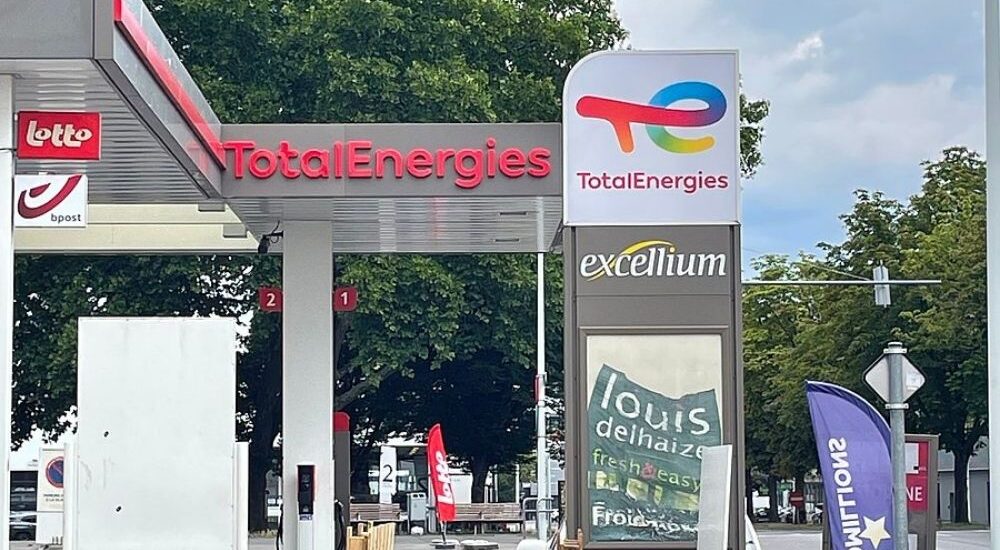
TotalEnergies, the French energy major, has entered into an agreement to acquire a 40% participating interest held by CapeOmega Carbon Storage AS, a subsidiary of CapeOmega AS, in the CO2 storage exploration license ExL004, also known as the “Luna” project. ExL004 covers an area of 453 square kilometers and is located 120 km offshore Bergen in 200 meters of water depth. The license is adjacent to the site of the Northern Lights CO2 storage project, in which TotalEnergies already holds a 33% participating interest. The first phase of the Northern Lights project is set to begin in 2024.
The Luna project is operated by Wintershall DEA Norge AS, which holds a 60% participating interest. The acquisition is contingent upon satisfying customary conditions, including obtaining final approvals from relevant government authorities.
This acquisition is viewed as a significant step for TotalEnergies to expand its carbon capture and storage (CCS) capabilities. The Luna project’s exploration area, if successful, could potentially provide storage capacity for several hundred million tons of CO2 emissions from hard-to-abate industries in Europe. TotalEnergies is focused on a systematic approach to carbon emissions reduction, first by avoiding and then by reducing emissions. The company is developing industrial projects for carbon storage to address residual emissions.
“This transaction is an important milestone to grow our CO2 storage offering: subject to a successful exploration, this area could enable the storage of several hundred million tons of CO2 from hard-to-abate industries in Europe,” said Arnaud Le Foll, Senior Vice-President New Business – Carbon Neutrality at TotalEnergies.
“With the Northern Lights start-up in 2024 and other projects under development in the Netherlands, Denmark and the UK, TotalEnergies is building a world-class carbon storage portfolio across the North Sea. Norway will play a leading role in this portfolio thanks to its large geological storages and supportive government policies.”
With projects like Northern Lights in Norway, Aramis in the Netherlands, and Bifrost in Denmark, TotalEnergies aims to contribute to the substantial decarbonization of European businesses. The company’s comprehensive portfolio of projects across the North Sea reflects its commitment to carbon neutrality and aligns with supportive government policies in the region.
Interested in learning more?
Sign up for Top Insights Today

Top Insights Today delivers the latest insights straight to your inbox.
You will get daily industry insights on
Oil & Gas, Rare Earths & Commodities, Mining & Metals, EVs & Battery Technology, ESG & Renewable Energy, AI & Semiconductors, Aerospace & Defense, Sanctions & Regulation, Business & Politics.
Read more insights
China’s coal industry faces slowdown amid shift towards clean energy
China’s coal industry, which has experienced seven consecutive years of growth, is now facing a slowdown as major mining regions prioritize investment in clean energy to align with the country’s climate goals. Despite a 10% surge in coal output in 2022 following widespread power outages…
Global factory rebound stalls as Europe and Asia slip back into contraction
Factories across much of Europe and Asia limped through November, confirming that the global manufacturing rebound is still fragile and uneven, and that tariffs, China-related tensions and weak domestic demand are weighing more heavily than any tailwinds from improving trade talks.
In the euro area, manufacturing slipped back into contraction after a brief period of stabilisation. The latest purchasing managers’ index for the bloc dipped below the 50 mark that separates expansion from decline, with Germany again the main drag.
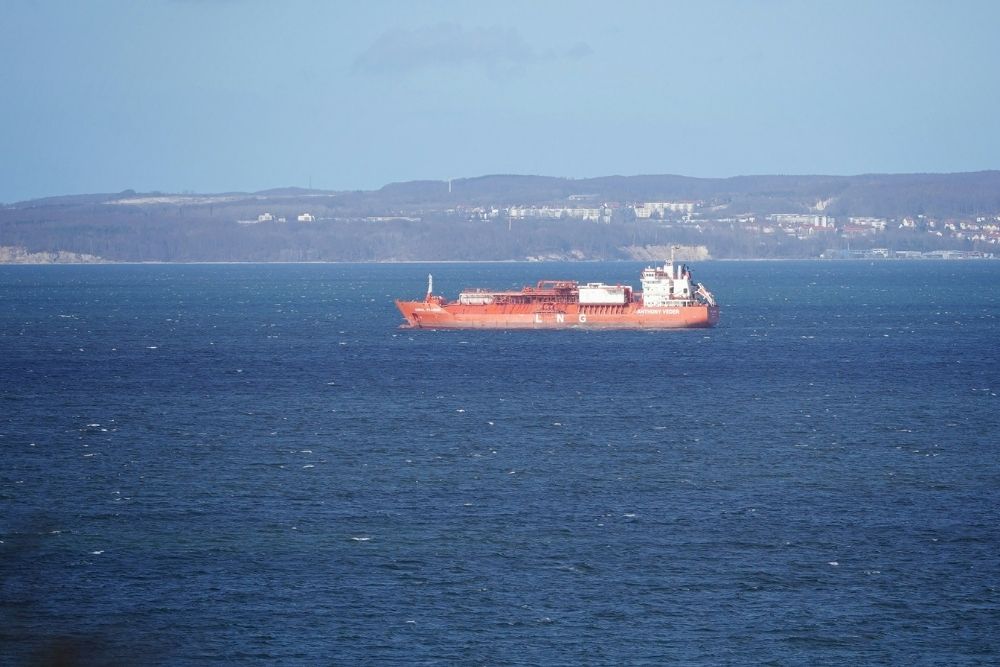
Europe to halt Russian LNG imports early, cementing energy decoupling
The European Union is preparing to accelerate its disengagement from Russian liquefied natural gas, with Brussels now aiming to halt imports by January 2027, a year earlier than previously planned. The proposal, unveiled by European Commission President Ursula von der Leyen as part of the bloc’s 19th sanctions package against Moscow, underscores the EU’s determination to further weaken Russia’s wartime economy.
The move also reflects mounting pressure from U.S. President Donald Trump, who has repeatedly pressed European allies to move faster in cutting off energy revenues that fuel Russia’s military operations in Ukraine. The EU’s energy sanctions have been a gradual process since the invasion of Ukraine in 2022.