
Urenco’s New Mexico facility key for U.S. efforts to wean off Russian uranium
- August 23, 2023
- Posted by: Quatro Strategies
- Categories: Mining & Metals, Sanctions & Regulation, United States

The US is taking steps to reduce its dependence on Russian uranium by revitalizing its domestic uranium enrichment industry, a vital component of its nuclear program. This effort is highlighted by the expansion of the Urenco plant in New Mexico, a key supplier of enriched uranium used in nuclear power plants. This expansion is expected to increase the plant’s output by 15%, contributing to the broader goal of establishing a more resilient and diverse supply chain for nuclear fuel.
Currently, a significant portion of the world’s enriched uranium supply comes from Russia. However, the recent geopolitical tensions and Russia’s actions have raised concerns about the risks associated with relying on a strategic competitor for a critical resource. In response, Western countries are pursuing strategies to regain control over their energy security and reduce dependence on external sources.
Uranium enrichment is a highly sensitive technology with dual-use applications, as the same processes used to produce fuel for nuclear power plants can also be applied in the development of nuclear weapons. This has led countries to carefully manage access to enriched uranium and related technologies through international agreements and safeguards.
The expansion of the Urenco plant in New Mexico is a significant part of the broader effort to rebuild the Western uranium fuel business. This endeavor involves reestablishing key stages of the nuclear fuel cycle, including mining, conversion, enrichment, and fabrication. The goal is to create a diversified and secure supply chain that minimizes reliance on any single source, particularly those associated with geopolitical adversaries.
However, the process of rebuilding the domestic uranium fuel industry is complex and multifaceted. It necessitates substantial investments, technology transfers, and collaboration among various countries and private entities. The aim is to create a self-sufficient and robust nuclear fuel ecosystem that enhances energy security and aligns with broader national and global goals, including carbon emission reduction targets.
While Western countries are working to develop their own uranium enrichment capabilities, this endeavor requires careful planning, coordination, and long-term commitments to ensure the resilience of the nuclear fuel supply chain. The expansion of the Urenco plant is just one step in a broader strategy aimed at reducing vulnerability to supply disruptions and geopolitical uncertainties.
Interested in learning more?
Sign up for Top Insights Today

Top Insights Today delivers the latest insights straight to your inbox.
You will get daily industry insights on
Oil & Gas, Rare Earths & Commodities, Mining & Metals, EVs & Battery Technology, ESG & Renewable Energy, AI & Semiconductors, Aerospace & Defense, Sanctions & Regulation, Business & Politics.
Read more insights
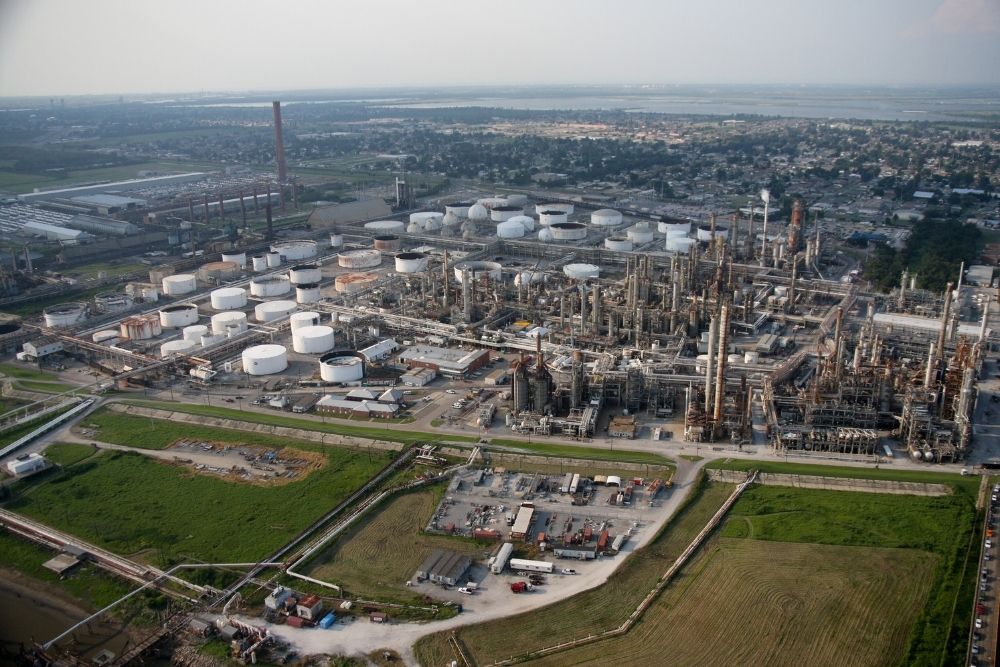
China’s independent refiners feel the Gulf conflict’s lasting strain
China’s independent oil refiners have slashed their operating rates to a nine-year low, highlighting the lingering impact of the Gulf conflict on the leading importer of Iranian crude and the broader transformation of Chinese oil demand that the conflict has accelerated.
Run rates at the so-called teapot refiners fell to 50.5 percent in the week to June 21, dropping below even the pandemic-era lows to the weakest level since 2017, as high feedstock costs, weak domestic fuel demand, and curbs on product exports squeezed the processors’ margins and prompted them to scale back.
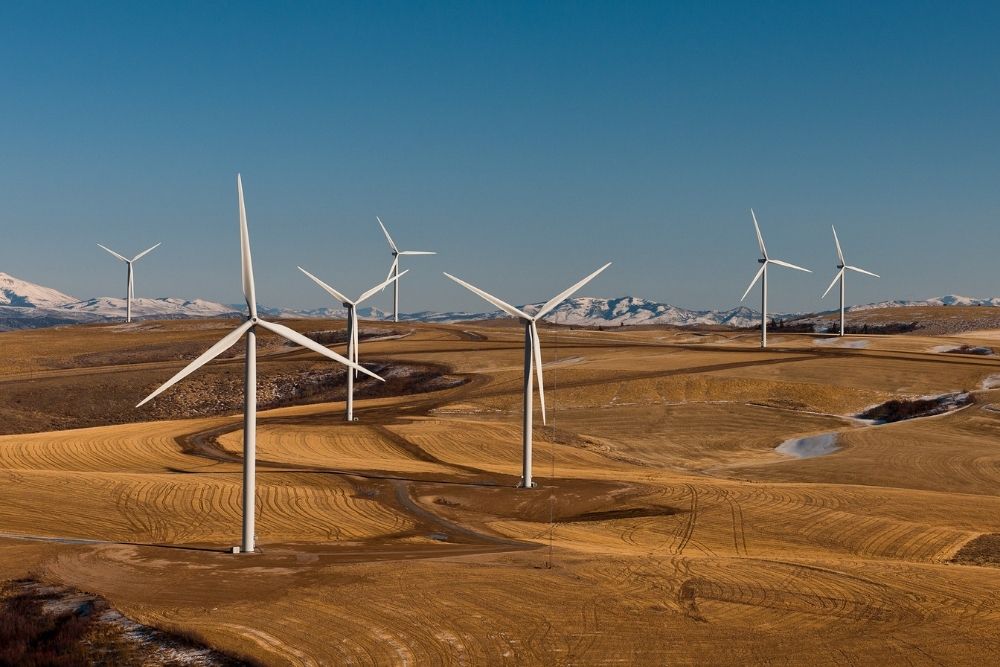
Global wind power growth to slow in 2024 amid rising costs and policy uncertainty
Global wind power growth is anticipated to decelerate this year due to various challenges such as escalating costs, inadequate infrastructure, and policy ambiguity. Installations are projected to increase by nearly 6% in 2024, a significant slowdown compared to the nearly 35% surge observed in 2023…

U.S. tariffs shatter India’s garment export hopes as supply chains scramble
Donald Trump’s decision to impose steep new tariffs on Indian imports has thrown India’s $16 billion garment export industry into turmoil, forcing U.S. buyers and Indian manufacturers to urgently reconsider sourcing and production strategies.
The 50% tariff, 25% effective immediately and another 25% scheduled for August 28, comes as a penalty for India’s continued imports of Russian oil, and has dramatically altered the calculus for U.S. brands, many of whom had viewed India as an increasingly viable alternative to China.