
Engie Acquiring Texas-based power storage firm
- August 24, 2023
- Posted by: Quatro Strategies
- Categories: ESG & Renewable Energy, Europe, EVs & Battery Technology, United States
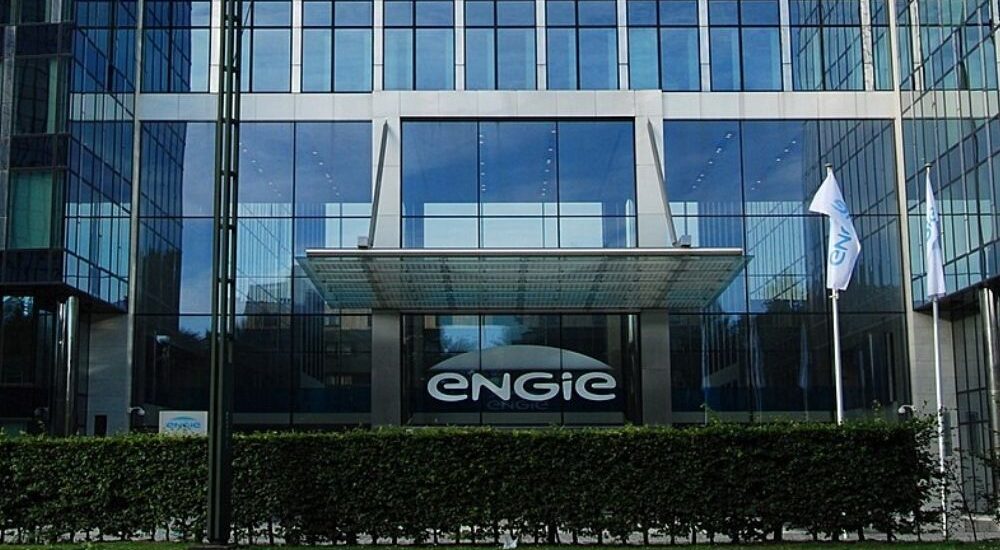
French utility company Engie has announced its acquisition of full ownership of Broad Reach Power, a power storage company based in Houston, Texas. This move is part of Engie’s broader strategy to expand its global battery infrastructure capabilities.
The acquisition deal involves assets that are currently in operation with a combined capacity of 350 megawatts. Additionally, there are ongoing projects under construction that amount to 880 megawatts, as well as projects in an advanced project stage that collectively reach 1.7 gigawatts.
The transaction is set to be finalized in the fourth quarter of this year, and specific financial details have not been disclosed at this time. This acquisition underscores Engie’s commitment to strengthening its presence in the energy storage sector and aligns with the broader trend of companies investing in renewable energy and energy storage technologies to meet sustainability goals and adapt to changing energy landscapes.
“This acquisition is fully in line with ENGIE’s strategy: it will contribute to the development of a low-carbon, affordable and resilient energy system where flexible assets will play a critical role alongside renewables.” Engie CEO Catherine MacGregor said
Interested in learning more?
Sign up for Top Insights Today

Top Insights Today delivers the latest insights straight to your inbox.
You will get daily industry insights on
Oil & Gas, Rare Earths & Commodities, Mining & Metals, EVs & Battery Technology, ESG & Renewable Energy, AI & Semiconductors, Aerospace & Defense, Sanctions & Regulation, Business & Politics.
Read more insights
China’s tech giants double down on AI, but U.S. stays firmly in the lead
China’s internet titans are accelerating their artificial intelligence push, but the country’s overall investment picture still looks restrained next to the United States’ arms-race in chips and data centers. Recent commentary highlights a paradox: Chinese groups like Alibaba, Tencent, ByteDance and Meituan are lifting capex and slashing model prices to seed adoption, yet aggregate spending remains a fraction of U.S. outlays, and profit pools look thin.
It is estimated that China’s AI capital expenditure could total roughly 700 billion yuan (about $98 billion) in 2025, while U.S. companies are expected to pour several times that amount into AI-heavy infrastructure each year through the decade.
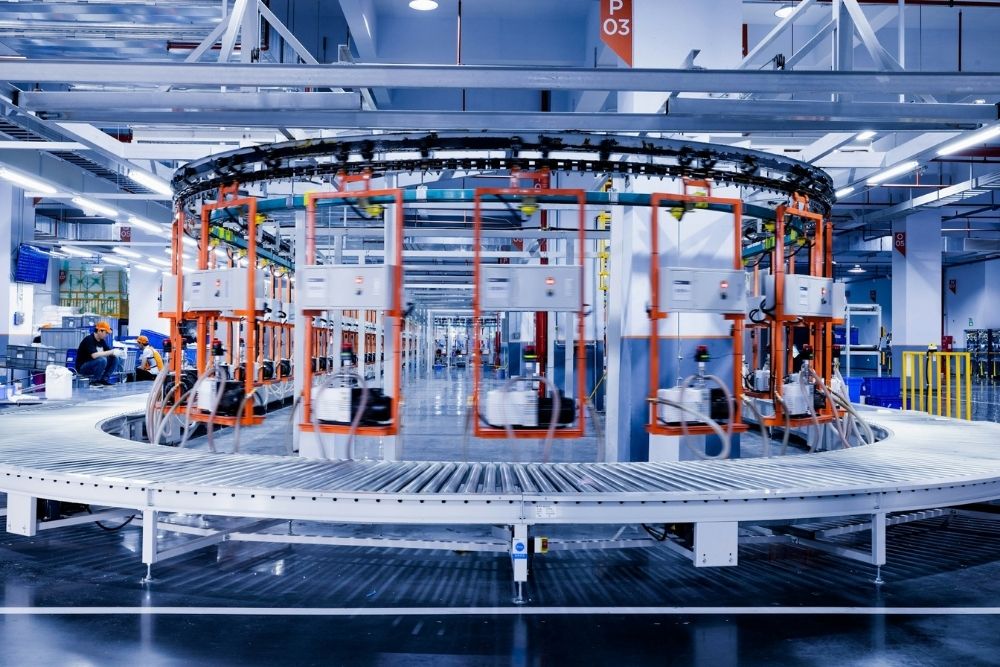
China’s industrial sector under strain as global trade tensions escalate
China’s industrial sector continues to grapple with severe margin pressures, as official data showed profits declining for the second straight month in June. The 4.3% year-on-year drop in industrial profits last month follows a sharper 9.1% plunge in May, underscoring the deepening challenges of deflation, weak domestic demand, and global trade instability.
The overall profitability of industrial firms in the first half of 2025 declined by 1.8% compared to the same period last year, accelerating slightly from the 1.1% decline recorded in the first five months. The deterioration comes despite Beijing’s efforts to stabilize growth, and it reinforces the growing concern that China’s post-COVID recovery remains fragile and uneven across sectors.
Libya signs $20B Waha oil deal with TotalEnergies, ConocoPhillips
Libya has signed a long-duration oil development agreement that, if executed, would represent one of the largest upstream investment packages in the country since 2011, and a clear signal that Tripoli is trying to re-open the door to major Western capital despite Libya’s unresolved political fragmentation.
Prime Minister Abdulhamid al-Dbeibah said the government concluded a 25-year deal through Waha Oil Company with TotalEnergies and ConocoPhillips, involving more than $20 billion in foreign-financed investment. He said the project is intended to lift production capacity by as much as 850,000 barrels per day and could generate more than $376 billion in net revenues over the life of the agreement.