
Biden to visit Vietnam next month to discuss broad range of issues
- August 29, 2023
- Posted by: Quatro Strategies
- Categories: Asia Pacific, Business & Politics, United States
Next month, US President Joe Biden will visit Vietnam to discuss various topics with top officials, including technology, economy, regional stability, and climate change. The goal is to strengthen ties between the two countries, especially since China holds a significant position in the region.
Biden is scheduled to meet with Communist Party General Secretary Nguyen Phu Trong and other senior Vietnamese leaders in Hanoi on September 10th. Afterward, he will travel to Alaska to commemorate the September 11th attacks.
The US aims to improve its relationship with Vietnam, viewing it as a valuable partner in the region. However, Vietnam must also consider China’s reaction as it becomes more assertive. Biden’s administration hopes to strengthen US ties in Asia. Biden will travel to Vietnam from India, where he will attend the G20 summit from September 7-10. He will not attend the ASEAN meetings next month and will send Vice President Kamala Harris instead.
 Diplomats expressed disappointment that Biden will not attend the ASEAN summit in Jakarta. While in Hanoi, Biden and Vietnamese officials will discuss ways to deepen their relationship and strengthen Vietnam’s technology-driven economy.
Vietnam’s Foreign Ministry stated that the visit would strengthen Vietnam-US relations. Foreign Ministry spokesman Pham Thu Hang said that the visits would contribute to peace, stability, and cooperation in the region and the world.
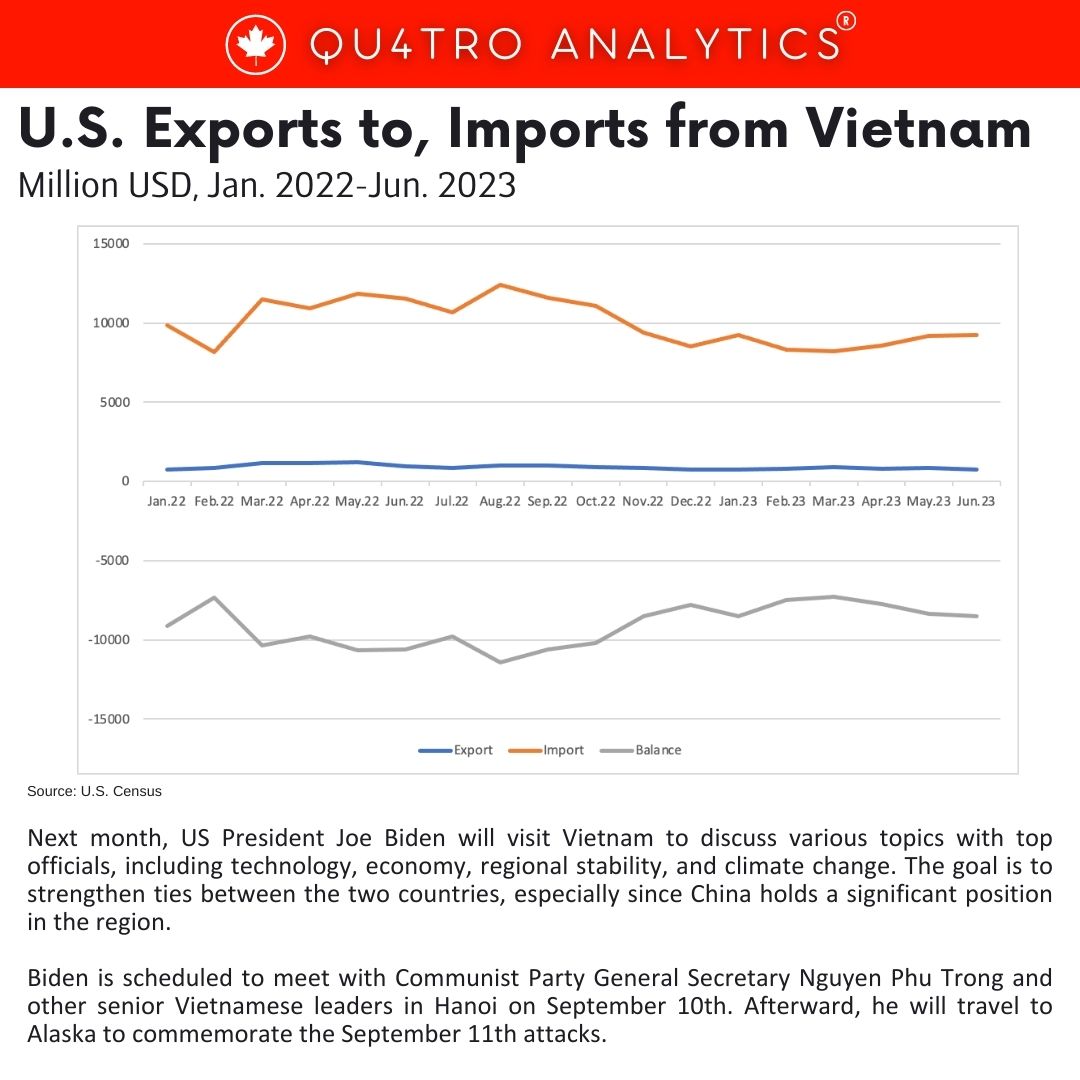
The US views Vietnam as an important partner in the region. Biden and Trong spoke by phone in March, and US Secretary of State Antony Blinken visited Vietnam a month later. The US is Vietnam’s largest export market, and this year marks the 10th anniversary of their “comprehensive partnership.”
Trong, who is considered Vietnam’s most powerful figure, met with Chinese President Xi Jinping in Beijing last year after Xi won an unprecedented third term.
Interested in learning more?
Sign up for Top Insights Today

Top Insights Today delivers the latest insights straight to your inbox.
You will get daily industry insights on
Oil & Gas, Rare Earths & Commodities, Mining & Metals, EVs & Battery Technology, ESG & Renewable Energy, AI & Semiconductors, Aerospace & Defense, Sanctions & Regulation, Business & Politics.
Read more insights
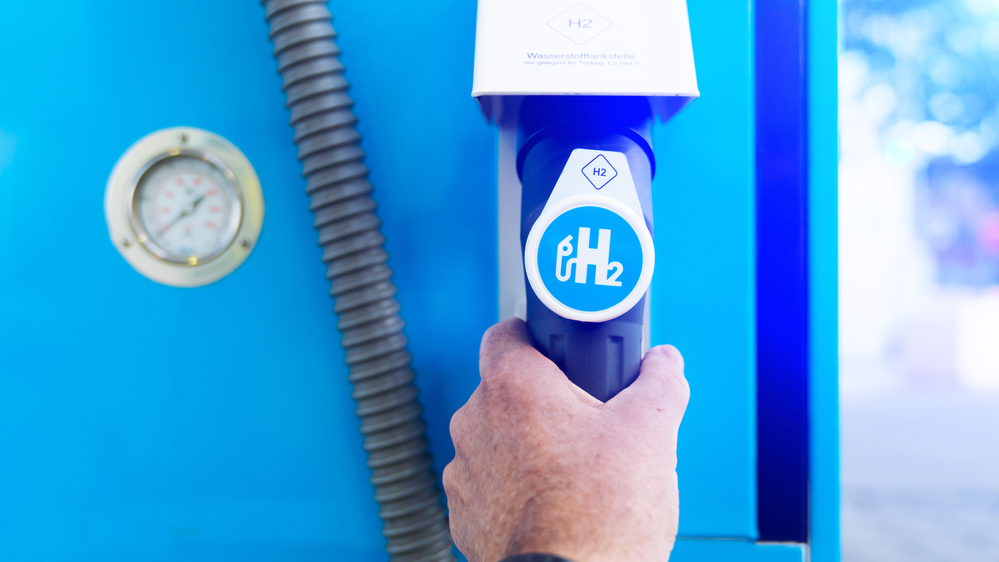
China and India keep green hydrogen hopes alive as global mega-projects falter
Even as the global green hydrogen sector retreats from some of its most ambitious plans, a handful of projects in Asia are keeping the technology’s long-term prospects alive, particularly for decarbonizing hard-to-abate industries such as shipping, chemicals, and heavy manufacturing.
While major Western developers like BP have pulled back from multibillion-dollar projects in Australia and other regions due to high costs and uncertain returns, developments in China and India are signaling that the industry’s commercial viability could still emerge, albeit on a slower timeline than once imagined.
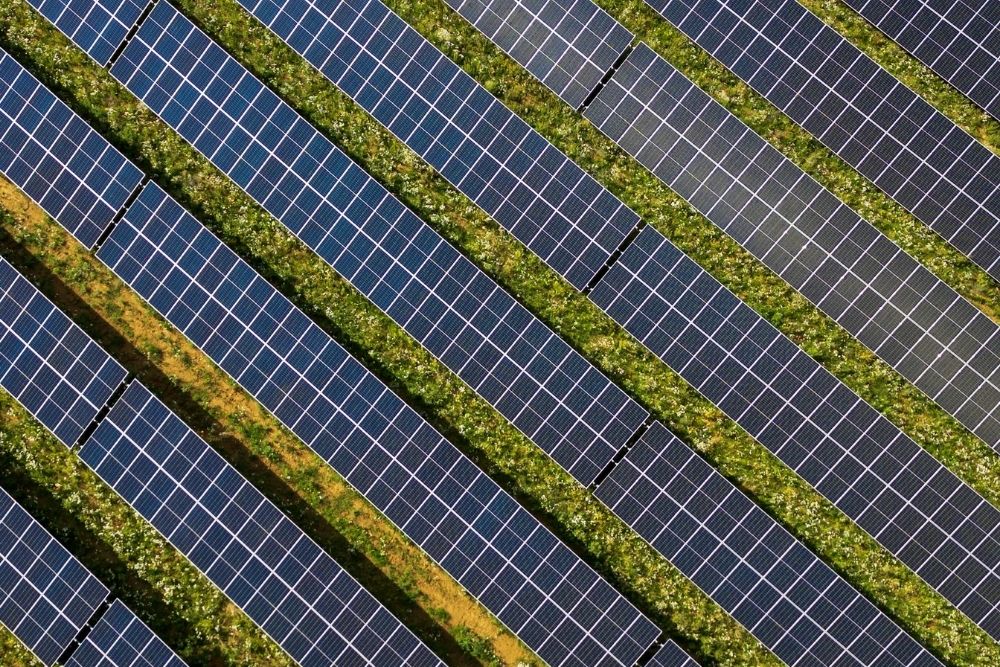
France’s solar-nuclear surplus shows the value of energy independence
France’s electricity grid is experiencing a remarkable surplus as a burst of sunny weather across the country has pushed solar generation above twenty gigawatts, combining with nearly forty gigawatts of nuclear baseload output to produce far more power than the nation can consume.
The resulting overflow is being exported to neighboring markets at volumes exceeding fifteen gigawatts, sending cheap French electricity into Germany, Italy, and the United Kingdom at a moment when all three are contending with energy costs inflated by the Gulf conflict.
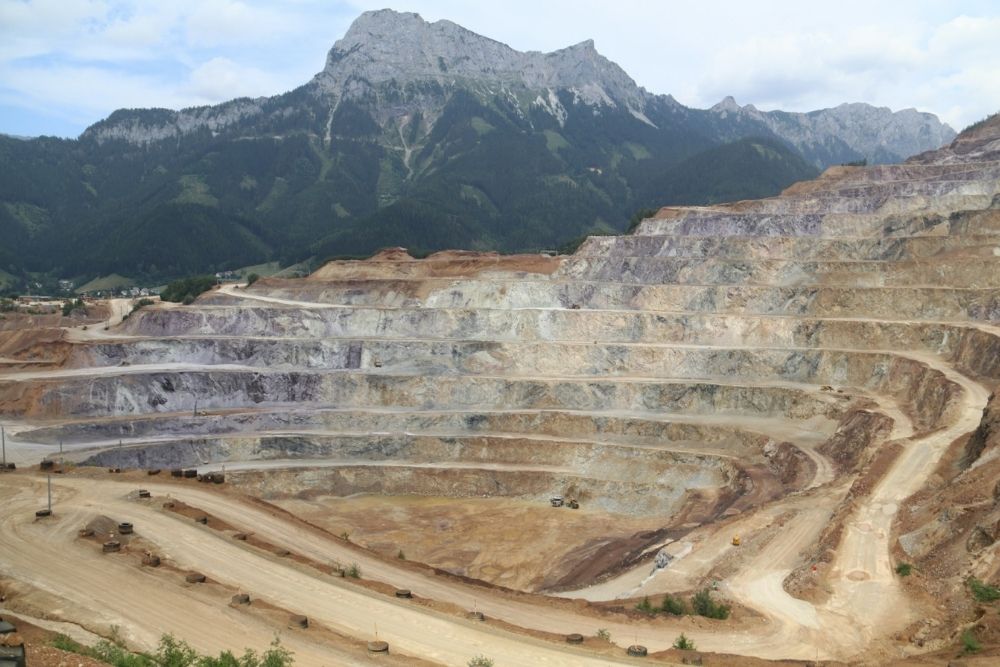
Indonesia maps eight rare-earth blocks, launches processing R&D
Indonesia is trying to widen its critical-minerals story beyond nickel and tin by moving upstream into rare earths and, just as importantly, into the processing know-how that turns “interesting rocks” into strategic capability.
The government has mapped eight mining blocks with significant rare-earth potential across resource-rich regions such as Kalimantan, Sulawesi, and Bangka Belitung, and that two research initiatives are being prepared in Mamuju, West Sulawesi to develop domestic rare-earth processing technology.