
China’s CNOOC, Brazil’s Petrobras in talks to sign strategic cooperation agreement
- August 29, 2023
- Posted by: Quatro Strategies
- Categories: Americas, China, Oil & Gas
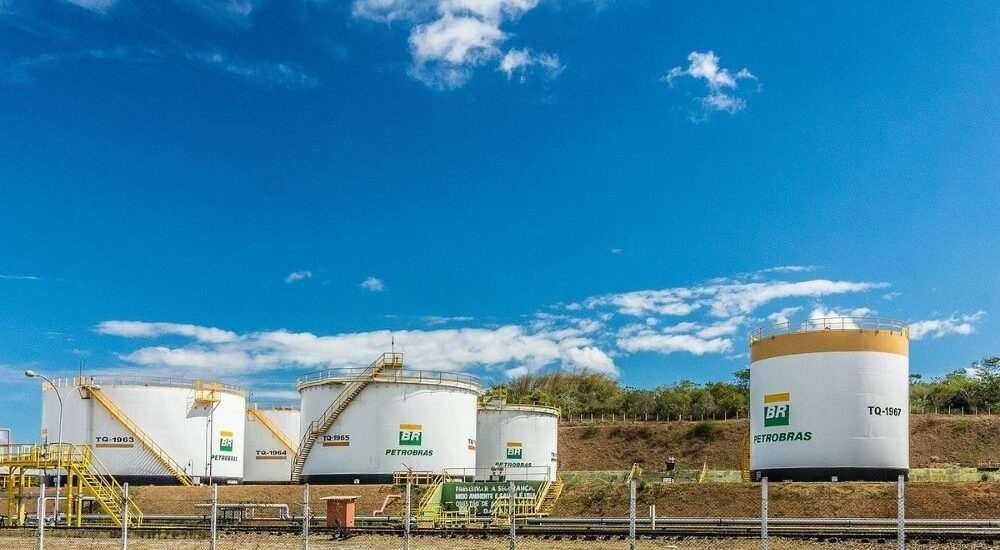
Chinese state-owned oil and gas giant, China National Offshore Oil Corporation (CNOOC), is reportedly in talks with Brazilian state oil firm Petrobras to establish a strategic cooperation agreement. While CNOOC has not yet confirmed the details of the agreement, it is said to encompass a broad spectrum of collaboration areas.
The agreement is expected to focus on multiple aspects of the energy industry, including refining and chemical engineering, engineering construction, oilfield services, green and low-carbon energy initiatives, as well as crude oil trade. The goal of such cooperation would likely be to leverage the strengths and capabilities of both companies to drive mutual benefits in terms of technological expertise, resource optimization, and market expansion.
CNOOC already maintains a substantial presence in Brazil’s oil and gas sector. The company holds a 7.34% stake in the deepwater Buzios field, which is part of an integrated development project. Additionally, CNOOC has a 9.65% share in the Mero oilfield development. These existing investments indicate CNOOC’s strategic interest in Brazil’s energy resources and its willingness to collaborate with local players to capitalize on growth opportunities.
As the global energy landscape evolves, partnerships between major players from different countries become increasingly valuable. Such collaborations allow companies to pool their resources, share technological advancements, and jointly explore innovative solutions. For CNOOC and Petrobras, a strategic cooperation agreement could provide a platform to navigate the complex challenges of the energy industry while driving economic growth and sustainable development in their respective countries. However, until both companies officially confirm the agreement, specific details and potential outcomes remain subject to further clarification.
Interested in learning more?
Sign up for Top Insights Today
Top Insights Today delivers the latest insights straight to your inbox.
You will get daily industry insights on
Oil & Gas, Rare Earths & Commodities, Mining & Metals, EVs & Battery Technology, ESG & Renewable Energy, AI & Semiconductors, Aerospace & Defense, Sanctions & Regulation, Business & Politics.
Read more insights

Australia set to roll out clean energy incentives amid global competition
Australia is gearing up to introduce financial incentives aimed at bolstering investment in the domestic clean energy sector, aiming to prevent capital and talent from flowing overseas due to subsidies in the U.S. and Europe. Responding to substantial clean energy incentives in President…
China’s Economic Shift Sparks Changes in Commodities Demand
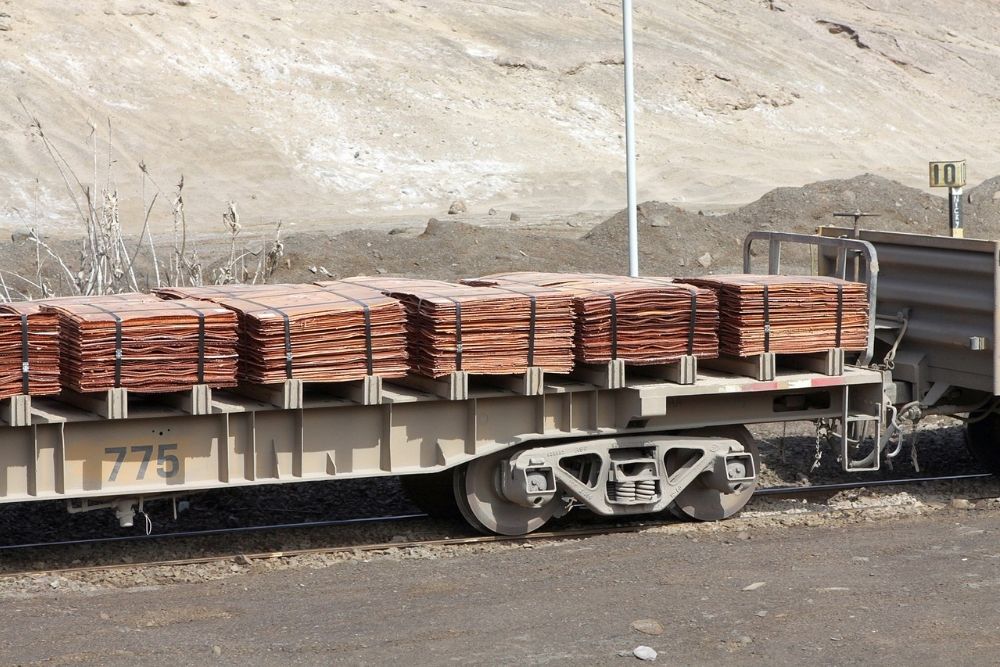
China, under President Xi Jinping, is undergoing a shift away from its property-driven economic model, causing concerns among investors. The decline in the real estate sector, responsible for a quarter of China’s GDP, and geopolitical tensions have led to worries about the country’s…
Big oil begins Gulf exit strategy as infrastructure damage mounts
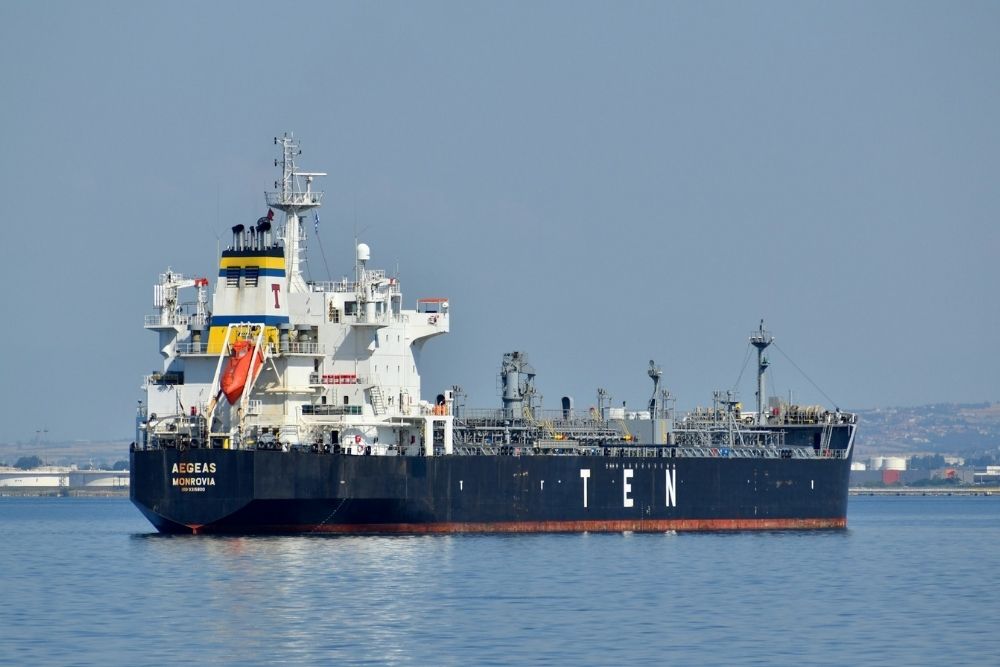
The armed conflict engulfing the Persian Gulf is fundamentally reshaping the strategic calculus of the world’s largest oil and gas companies, compelling them to reconsider their deep-rooted investment commitments to the Middle East and begin redirecting capital toward frontier and previously overlooked producing regions.
While the Gulf has long served as the gravitational center of the global hydrocarbons industry, offering unmatched resource scale, relatively predictable fiscal frameworks, and a reputation for operational continuity that persisted even through the Iraq and Yemen conflicts, the current war between the United States, Israel, and Iran has shattered that stability in ways that will likely reverberate through corporate boardrooms and investment committees for years to come.