
25 companies take part in Norway’s latest offshore oil and gas licensing round
- August 30, 2023
- Posted by: Quatro Strategies
- Categories: Europe, Oil & Gas
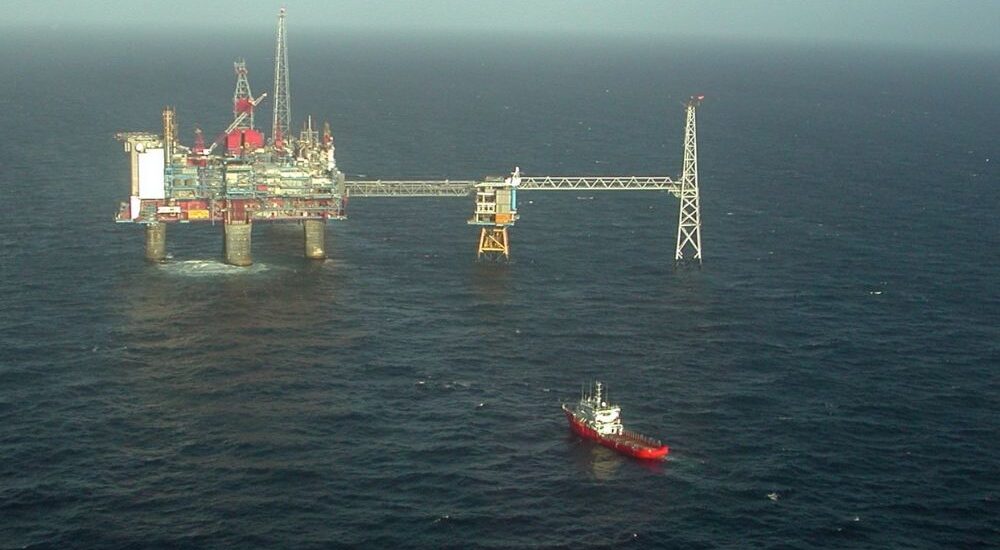
Norway’s latest offshore oil and gas exploration licensing round has attracted bids from 25 companies, including prominent names like Shell, ConocoPhillips, Aker BP, and Equinor, according to the country’s energy ministry. This annual licensing round is a central part of Norway’s strategy to extend oil and gas production for several decades, despite opposition from environmental groups concerned about its impact on the climate.
The energy ministry offered 92 new blocks for exploration in the Norwegian and Barents Seas as part of the so-called pre-defined areas (APA) exploration round. This move aims to maintain production and further develop the petroleum sector, which supports numerous jobs in the industry. Despite protests over the environmental consequences of oil and gas extraction, Norway has been expanding exploration in recent years, particularly in the Arctic Barents Sea.
The latest offering included 78 new blocks in the western part of the Barents Sea and 14 blocks in the northwestern part of the Norwegian Sea, adding to the existing APA area. The Norwegian Petroleum Directorate noted that almost all companies active on the Norwegian Continental Shelf submitted bids, with increased interest in the Barents Sea. The exact number of blocks bid for by companies was not disclosed.
Vaar Energi, majority-owned by Eni, along with DNO, OMV, Okea, and Wintershall Dea, were among the bidders in the round. The winners of the new acreage are expected to be announced by early 2024. This licensing round is an integral part of Norway’s approach to balancing its economic interests in the oil and gas sector with the global imperative to address climate concerns.
Interested in learning more?
Sign up for Top Insights Today

Top Insights Today delivers the latest insights straight to your inbox.
You will get daily industry insights on
Oil & Gas, Rare Earths & Commodities, Mining & Metals, EVs & Battery Technology, ESG & Renewable Energy, AI & Semiconductors, Aerospace & Defense, Sanctions & Regulation, Business & Politics.
Read more insights
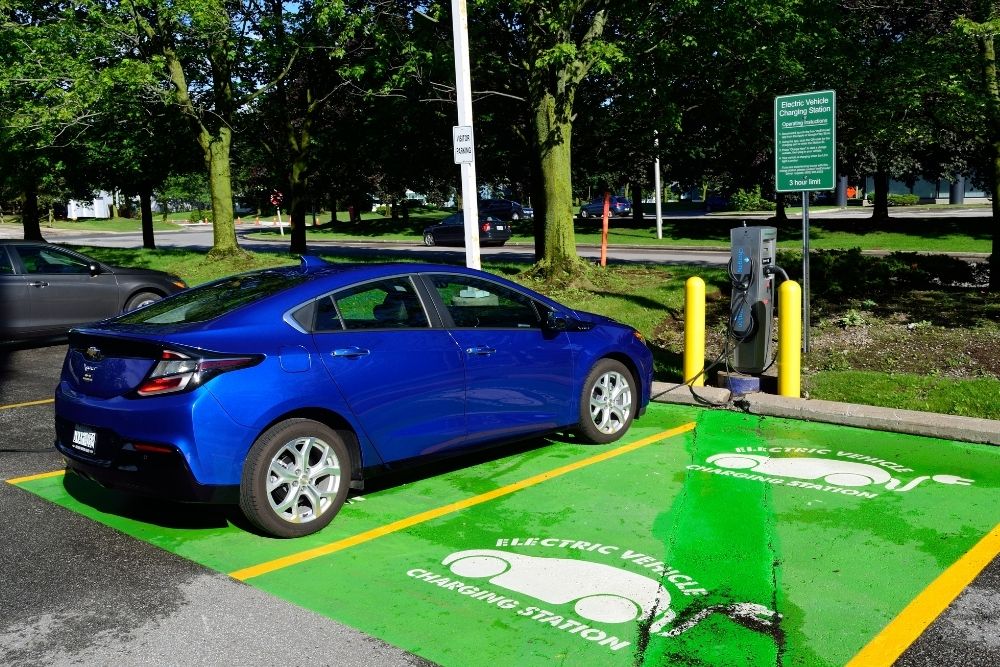
Data security worries prompt US to explore restrictions on Chinese “smart cars”
The Biden administration is contemplating measures to restrict imports of Chinese “smart cars” and related components beyond tariffs, aiming to address mounting US concerns regarding data security, according to individuals familiar with the matter. These potential measures would encompass…
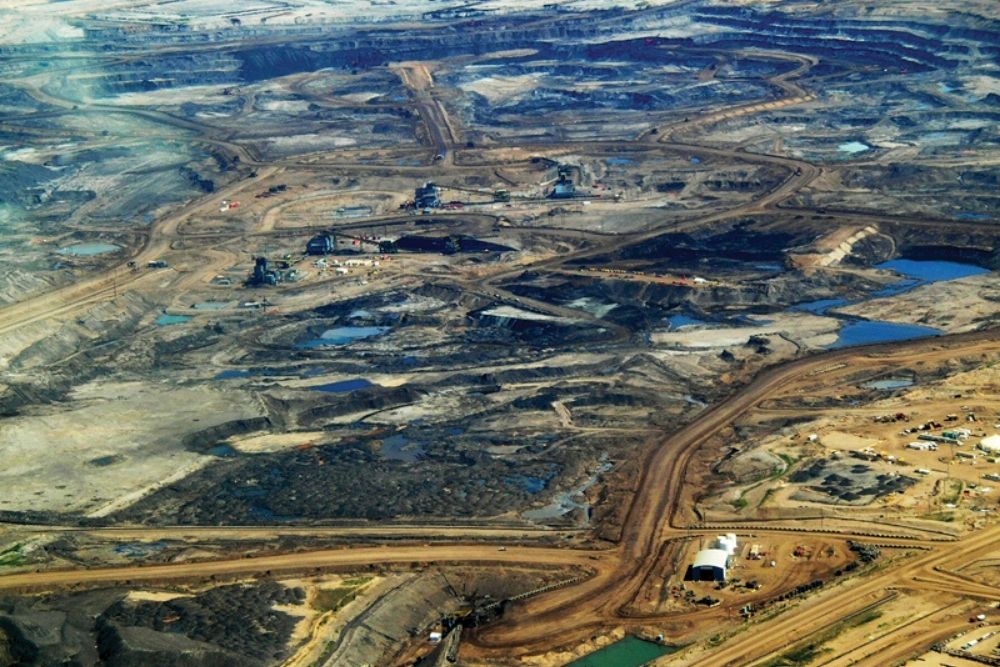
U.S. corporations eyeing lower valued Canadian oil and gas companies
U.S. corporations and private equity firms are increasingly showing interest in acquiring Canadian oil and gas companies, lured by lower valuations, abundant fossil fuel reserves, and improving market access. The Montney shale formation in northern Alberta and British Columbia…
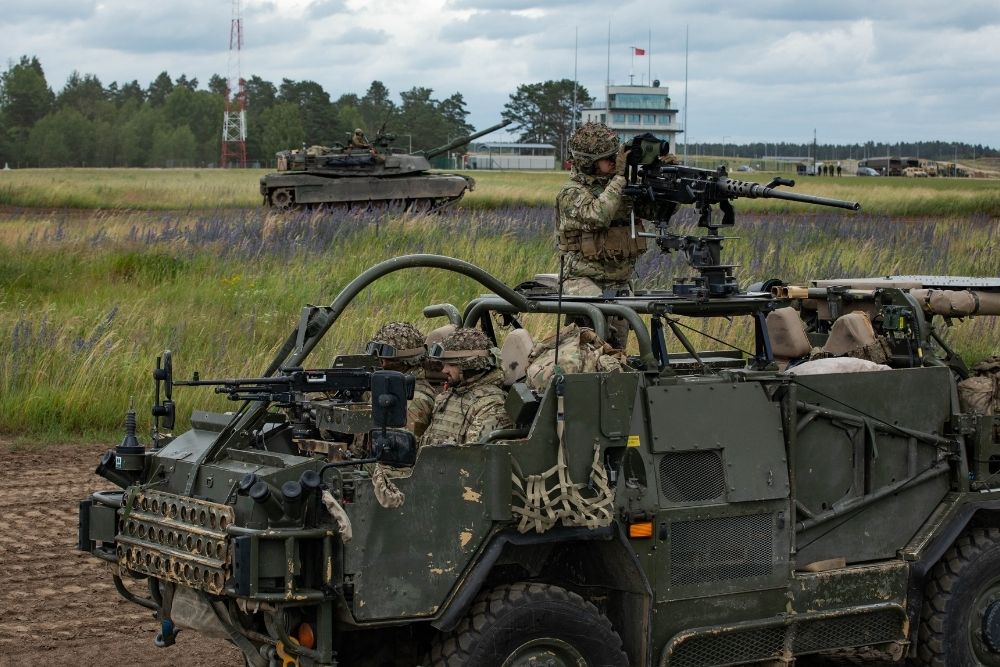
Germany’s €7 billion armour deal marks next phase of NATO readiness
Germany is moving another big piece in its rearmament push: a nearly €7 billion order for 424 wheeled armoured vehicles that splits between a new scout family from General Dynamics and a fresh “Schakal” infantry fighting vehicle buy via the OCCAR agency from Artec, the KNDS-Rheinmetall joint venture.
The finance-ministry paperwork is on the table and the Bundestag’s budget committee is poised to clear it, with first Schakal deliveries pencilled in for 2027-2031 and the reconnaissance fleet starting to arrive in 2028. Berlin is also baking in headroom for growth, as options could lift the scout tranche by 82 vehicles and the Schakal run by up to 200 machines, underscoring that this is a long-haul rebuild of the Bundeswehr’s wheeled combat forces rather than a stopgap.