
Australia’s Woodside gets approval from Mexico to develop Trion oil project
- August 30, 2023
- Posted by: Quatro Strategies
- Categories: Americas, Asia Pacific, Oil & Gas

Australia’s Woodside Energy has achieved a significant milestone with the approval of the development plan for its Trion deepwater oil project in Mexico. The approval was granted by Mexico’s oil and gas exploration regulator, paving the way for Woodside to advance into the execution phase of the project.
Woodside holds a 60% stake in the Trion project and serves as its operator, while Mexican state-owned oil company PEMEX owns the remaining 40%. The project aims to tap into deepwater oil reserves off the coast of Mexico, with the goal of achieving first oil production by 2028.
Upon receiving approval for the development plan, Woodside CEO Meg O’Neill expressed enthusiasm for progressing the project with its contractors. This development plan approval allows the company to move forward with the necessary preparations for the project’s execution.
The Trion project was inherited by Woodside in June of the previous year from BHP Group, the world’s largest listed mining company. BHP initially intended to make a final investment decision on the project in 2020. However, due to rising costs and other factors, this decision was delayed, and Woodside took over the project as part of its ongoing growth strategy.
Woodside estimates its share of the capital expenditure for the project to be approximately $4.8 billion, while PEMEX is expected to cover the remaining costs. The project is forecasted to have a peak production rate of 110,000 barrels per day by 2028, and the total extraction of crude is projected to reach 434 million barrels over the contracted period until 2052.
Despite its progress in the Trion project, Woodside has faced criticism from environmental activists and investors concerned about the company’s commitment to climate goals and its investment in oil and gas projects. This has sparked broader discussions about the energy transition and the role of oil and gas companies in a changing global energy landscape.
Interested in learning more?
Sign up for Top Insights Today

Top Insights Today delivers the latest insights straight to your inbox.
You will get daily industry insights on
Oil & Gas, Rare Earths & Commodities, Mining & Metals, EVs & Battery Technology, ESG & Renewable Energy, AI & Semiconductors, Aerospace & Defense, Sanctions & Regulation, Business & Politics.
Read more insights

U.S. State Department approves $2.53 billion Abrams tank sale to Romania
The U.S. State Department has approved a potential sale of M1A2 Abrams Main Battle Tanks to Romania, estimated to be worth around $2.53 billion. The Defense Security Cooperation Agency (DSCA) notified Congress of the sale, which includes 54 General Dynamics Land Systems…

Saudi Arabia’s Ma’aden eyes $2 billion stake in Zambia’s copper market
Saudi Arabia’s Ma’aden, in collaboration with Manara Minerals, is close to finalizing a stake in Zambian copper assets, underscoring Saudi Arabia’s push into critical mineral markets as part of its Vision 2030 diversification strategy. The company is negotiating for a 15-20% stake in Canadian miner First Quantum Minerals’…
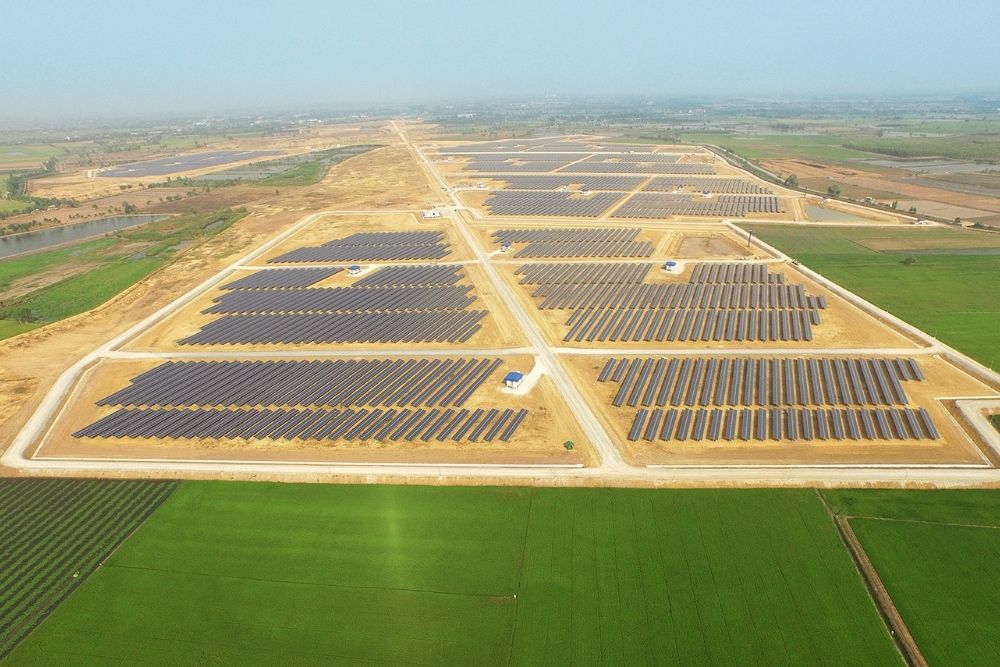
Chinese renewable energy companies face challenges in global expansion
The shift from China-dominated renewable-energy manufacturing to a more globally dispersed model is presenting challenges for Chinese companies in the industry. Executives from solar, wind, energy storage, and electric vehicle sectors highlighted the transition, noting the increased…