
Brazil’s Petrobras considers establishing China subsidiary
- September 1, 2023
- Posted by: Quatro Strategies
- Categories: Americas, Business & Politics, China, Oil & Gas

Petrobras, the state-run oil company of Brazil, is planning to establish a Chinese subsidiary as part of its efforts to strengthen its relationship with China, one of its most significant trading partners. This move is part of Petrobras’ strategy to significantly increase its share of China’s oil imports over the next couple of decades, aiming to triple its current 5% share. The CEO of Petrobras, Jean Paul Prates, mentioned that the subsidiary is expected to be created in the next year, subject to formal approval.
The creation of a Chinese subsidiary is seen as a strategic move by Petrobras to enhance its presence in China and foster closer partnerships with Chinese companies, especially in the energy sector. It’s worth noting that Petrobras has already initiated discussions with several Chinese firms, including CNOOC and Sinopec, as well as financial institutions like China Development Bank and Bank of China, to explore potential energy partnerships and joint projects.
Furthermore, the establishment of a Chinese subsidiary would provide Petrobras with a platform to operate and participate in projects as a partner, not only in China but also in other countries, including those in Africa. This approach aligns with Petrobras’ broader international expansion strategy and its goal to diversify its operations and revenue streams.
The move to create a Petrobras China subsidiary is also seen as a positive signal for strengthening Brazil-China relations under the leadership of President Luiz Inacio Lula da Silva. Unlike his predecessor, Jair Bolsonaro, President Lula has advocated for balanced and cooperative relations with both China and the United States. His administration’s approach to foreign policy emphasizes building strong partnerships with major global players, and China is a key focus due to its growing economic influence.
Overall, Petrobras’ decision to create a Chinese subsidiary reflects its commitment to expanding its footprint in China’s energy market and fostering closer cooperation between Brazil and China in various international projects, contributing to the strengthening of diplomatic ties between the two countries.
Interested in learning more?
Sign up for Top Insights Today

Top Insights Today delivers the latest insights straight to your inbox.
You will get daily industry insights on
Oil & Gas, Rare Earths & Commodities, Mining & Metals, EVs & Battery Technology, ESG & Renewable Energy, AI & Semiconductors, Aerospace & Defense, Sanctions & Regulation, Business & Politics.
Read more insights

South Korea unveils $471 billion chip cluster plan involving Samsung, SK Hynix
South Korea has announced ambitious plans for a chipmaking cluster involving major companies like Samsung Electronics and SK Hynix, with a total investment of over $470 billion. The government outlined a blueprint for private sector investment of 622 trillion won ($471 billion) leading up…
Investors starting to turn back on clean energy
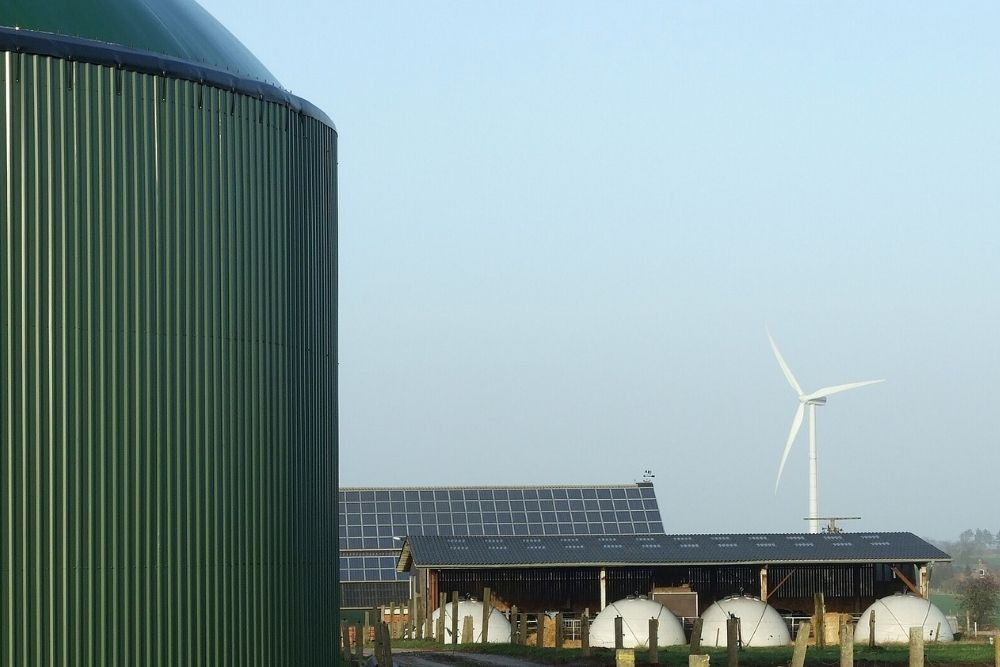
In a somewhat surprising turn of events, investors have withdrawn a record amount of money from the world’s largest clean energy investment vehicles during the first eight months of this year. A net total of $765 million was withdrawn from the iShares Global Clean Energy ETF (ICLN), marking a substantial outflow and a record for any January to August period.

UK rethinks defense industry amid Ukraine War and U.S. pressure on NATO
Britain’s new government has unveiled a sweeping plan to strengthen its defense industrial base by accelerating procurement processes and channeling more investment into small and medium-sized defense firms and emerging technologies. Defence Secretary John Healey on Tuesday announced that the Ministry of Defence (MoD) would slash procurement timelines for key military hardware and upgrades, in a bid to make the UK’s defense sector more agile and innovation-friendly.
The reforms are also aimed at ensuring that Britain captures a greater share of the economic upside from rising defense spending — an increase driven in part by U.S. President Donald Trump’s renewed pressure on European allies to shoulder more of the continent’s security burden.