
Chinese economy expected to stagnate, with a more severe crunch is also on the cards
- September 4, 2023
- Posted by: Quatro Strategies
- Categories: Business & Politics, China, Sanctions & Regulation
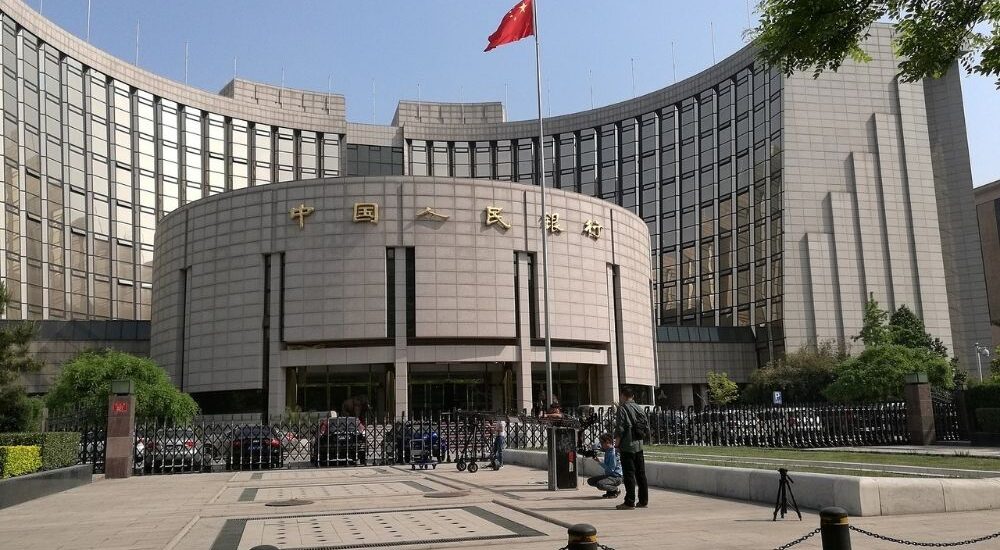
China’s economic reform efforts, which were initiated a decade ago, have largely stalled, leaving the country with a growth model that relies heavily on debt and industrial overcapacity. These stalled reforms raise significant questions about China’s economic future and whether it will face stagnation or a more severe crisis.
The original reform plan aimed to transition China’s economy to a Western-style free market model driven by services and consumption. However, most of these reforms have not been implemented, and the country remains reliant on older policies that have contributed to a massive debt burden.
China’s economic journey has transformed it from a largely rural society in the 1980s to an industrial and manufacturing powerhouse. However, this growth has been accompanied by a significant increase in debt, with the economy quadrupling in nominal terms while overall debt expanded nine times.
To sustain growth, China has doubled down on infrastructure and property investment, at the expense of household consumption. This has resulted in weaker consumer demand compared to other countries and concentrated job creation in construction and industrial sectors, which are less attractive to young university graduates.
The consequences of these policies are now becoming apparent. The pandemic, demographic challenges, and geopolitical tensions have exacerbated China’s economic problems, making it difficult for the economy to recover even as the country reopens.
Economists see three potential scenarios for China’s economic future:
- A swift, painful crisis that addresses debt, industrial overcapacity, and the property bubble but comes with significant short-term pain.
- A gradual winding down of excesses over decades, which would lead to slower growth.
- A transition to a consumer-led model with structural reforms that cause short-term challenges but result in a faster and stronger recovery.
While a crisis is possible, many economists believe that the Chinese government has enough control over its financial sector to avoid such a scenario. Instead, a more likely outcome is slow growth or a gradual adjustment that comes with its own set of stability risks, including high youth unemployment and a significant portion of household wealth tied up in property.
Transitioning to a new economic model with significant reforms appears unlikely given the government’s aversion to potentially disruptive changes and the fear of provoking an economic crisis.
Overall, China’s stalled economic reforms have left it facing a complex and uncertain future, with multiple challenges and limited options for addressing them.
Interested in learning more?
Sign up for Top Insights Today

Top Insights Today delivers the latest insights straight to your inbox.
You will get daily industry insights on
Oil & Gas, Rare Earths & Commodities, Mining & Metals, EVs & Battery Technology, ESG & Renewable Energy, AI & Semiconductors, Aerospace & Defense, Sanctions & Regulation, Business & Politics.
Read more insights
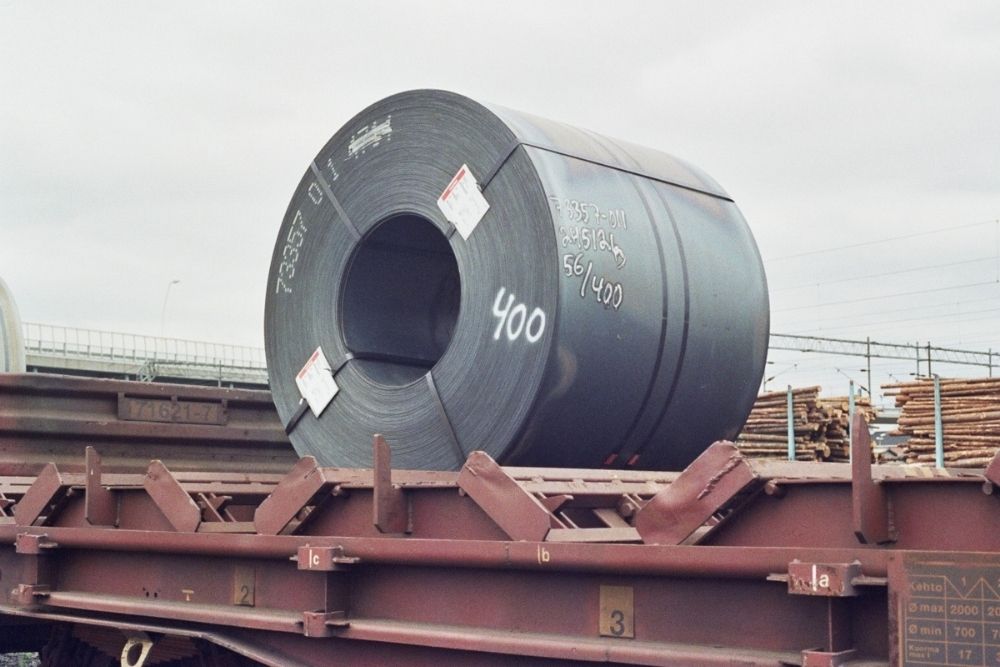
China’s steel exports soar as overcapacity spurs near-decade high volumes
China’s steelmakers are poised to continue exporting at near-decade high volumes in 2025 to cope with overcapacity and weak domestic demand, a move that could exacerbate global trade tensions. With the property sector still sluggish, China is expected to export over 100 million metric tons of steel this year…

Chinese firms face regulatory hurdles, delays in offshore listings despite market optimism
More than a year after China pledged to smoothen the process for offshore listings, firms are grappling with a regulatory logjam that shows little sign of easing soon, and are facing the prospects of sharply lower valuations even as market sentiment improves. Hopes for a revival in overseas listings were sparked by…
India’s China policy is shifting from restriction toward selective integration
India’s improving relationship with China creates an opening to reconsider a policy that has limited access to a major source of industrial capital and expertise. Selectively easing investment restrictions could help New Delhi attract more foreign investment and strengthen manufacturing. The opportunity extends beyond financing new factories: Chinese participation could bring suppliers, production technology and operational knowledge that help Indian businesses compete internationally.
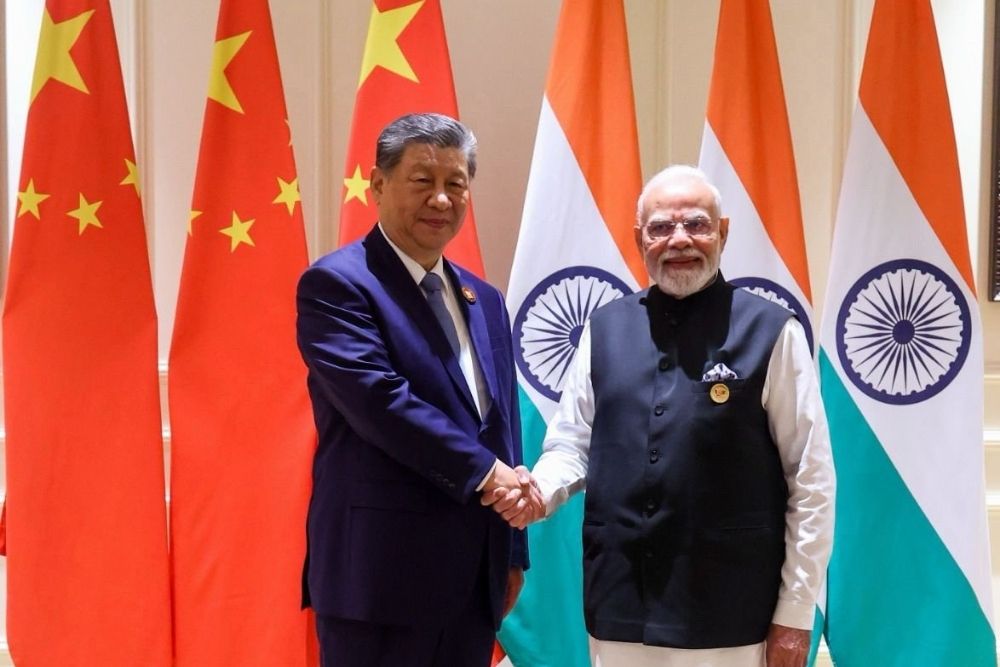
The diplomatic thaw provides political space for that adjustment. Narendra Modi and Xi Jinping’s recent discussions in New Delhi placed renewed emphasis on business links, supply chains and the bilateral trade imbalance. Restoring transport connections, including China Southern Airlines’ planned resumption of daily Guangzhou-New Delhi flights on September 21, could also make commercial cooperation easier.