
Octopus Energy set to buy Shell’s UK, Germany home energy business
- September 4, 2023
- Posted by: Quatro Strategies
- Categories: ESG & Renewable Energy, Europe
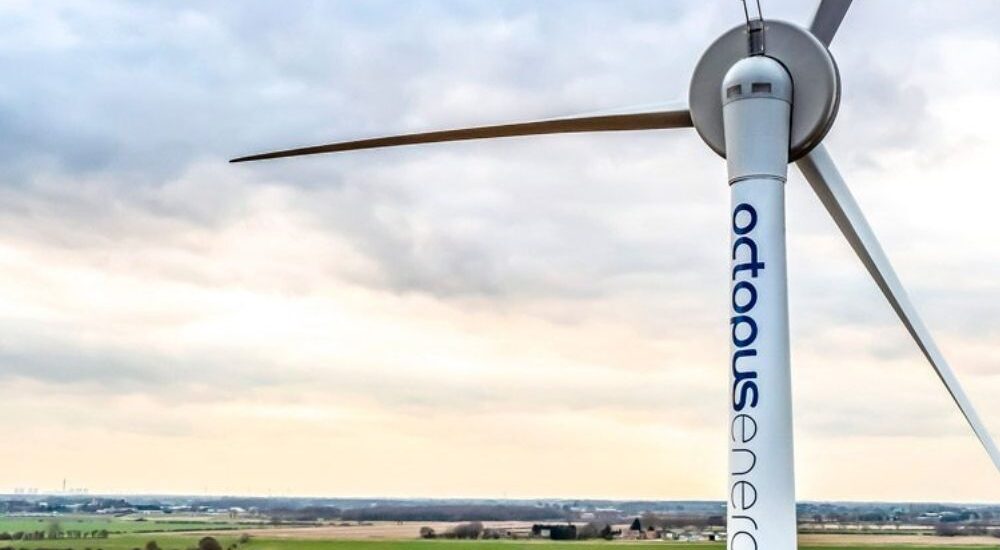
Shell is selling its home energy business in the UK and Germany to British energy provider Octopus Energy Group. This move is part of a broader deal in which the two firms will explore a partnership related to electric vehicle (EV) charging. Returns in the UK energy retail sector have been constrained in recent years as companies have grappled with rising wholesale costs and price caps imposed by regulator Ofgem.
Shell Energy Retail Limited in the UK and Shell Energy Retail GmbH in Germany provide domestic gas, power, and broadband services to roughly two million customers, operating under the Shell Energy brand. Octopus Energy’s acquisition of Shell’s assets is expected to solidify its position as the second-largest home energy supplier in the UK, with approximately 6.5 million customers, second only to Centrica’s British Gas, which has roughly 7.5 million retail customers.
Octopus Energy made a strategic move last year by acquiring Bulb, a competitor that was among the largest energy suppliers to go bankrupt in 2021 due to surging wholesale gas and electricity prices. While the financial terms of the Shell-Octopus deal were not disclosed, earlier reports estimated its value at $50-100 million. The sale is set to complete in the fourth quarter of 2023, pending regulatory approval, and Shell Energy Retail customers will be contacted at that time.
In addition to the divestment, Shell and Octopus Energy have signed a memorandum of understanding to explore an international partnership in the realm of electric vehicle charging. This partnership could extend to Shell Recharge subscribers, marking a significant move into the EV market for the two energy companies.
Interested in learning more?
Sign up for Top Insights Today

Top Insights Today delivers the latest insights straight to your inbox.
You will get daily industry insights on
Oil & Gas, Rare Earths & Commodities, Mining & Metals, EVs & Battery Technology, ESG & Renewable Energy, AI & Semiconductors, Aerospace & Defense, Sanctions & Regulation, Business & Politics.
Read more insights
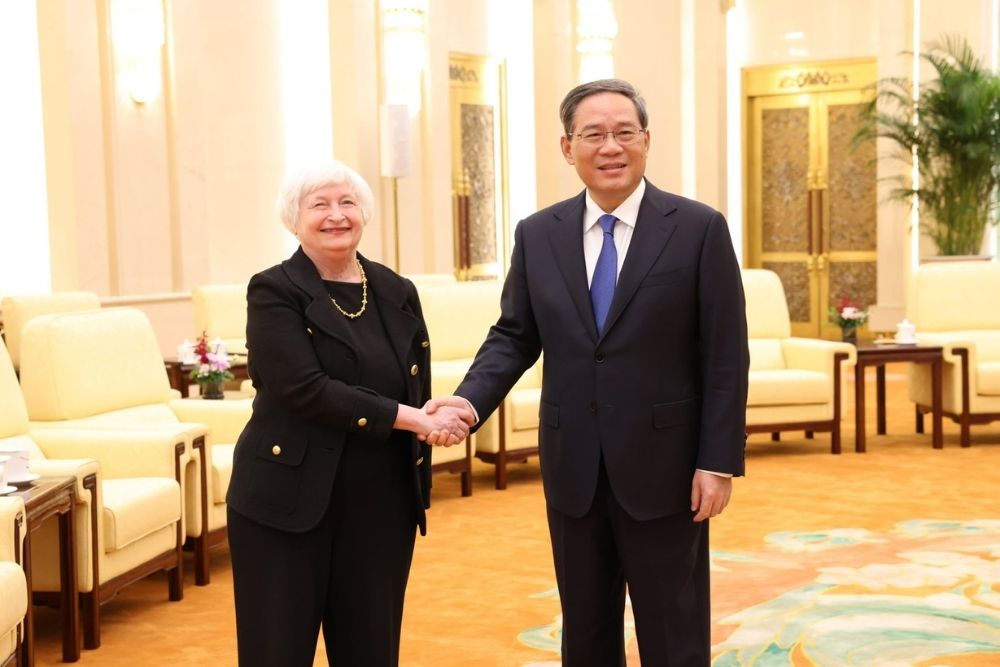
Treasury secretary Yellen signals measures to protect US clean energy industries from China
US Treasury Secretary Janet Yellen, preparing for her second trip to China for economic talks, indicated on Wednesday that the Biden administration is considering additional measures to safeguard American clean energy industries from China’s excessive investment and production capacity. While Yellen…
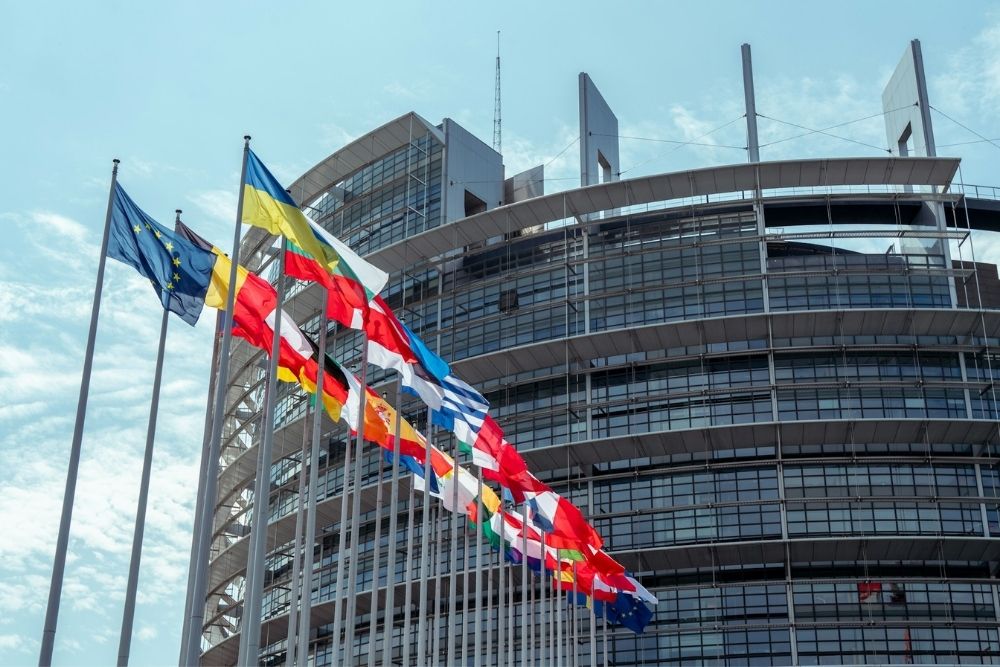
Europe’s critical minerals push now needs its own price architecture
Europe’s push to secure critical minerals is moving beyond the familiar debate over mines, refineries and stockpiles. A more basic problem is now coming into focus: the continent does not control the pricing architecture for many of the materials it needs to build batteries, electric vehicles, wind turbines, semiconductors, defence systems and advanced industrial equipment.
Europe will struggle to attract capital into mining and processing unless it creates its own transparent pricing system for specialty metals and rare earths. Without credible benchmarks outside China, investors cannot properly assess project economics, lenders cannot price risk with confidence, and developers face greater difficulty turning politically important projects into commercially bankable ones.
Steel protectionism is moving from national measures to coordinated enforcement
The Milwaukee Framework marks a move toward coordinated restrictions on steel trade, as governments seek to prevent excess production capacity from undermining their domestic industries. The Global Forum on Steel Excess Capacity’s 28 member economies have agreed to strengthen trade enforcement, improve supply-chain monitoring and address support that sustains uneconomic mills.
The agreement does not establish a common tariff or automatically impose new duties. Its impact will depend on national implementation, with Washington encouraging partners to adopt stronger measures against the market distortions it attributes principally to China and other subsidizing producers.