
Canada’s Magna, South Korea’s LG to build first EV parts plant in Europe
- September 5, 2023
- Posted by: Quatro Strategies
- Categories: Europe, EVs & Battery Technology
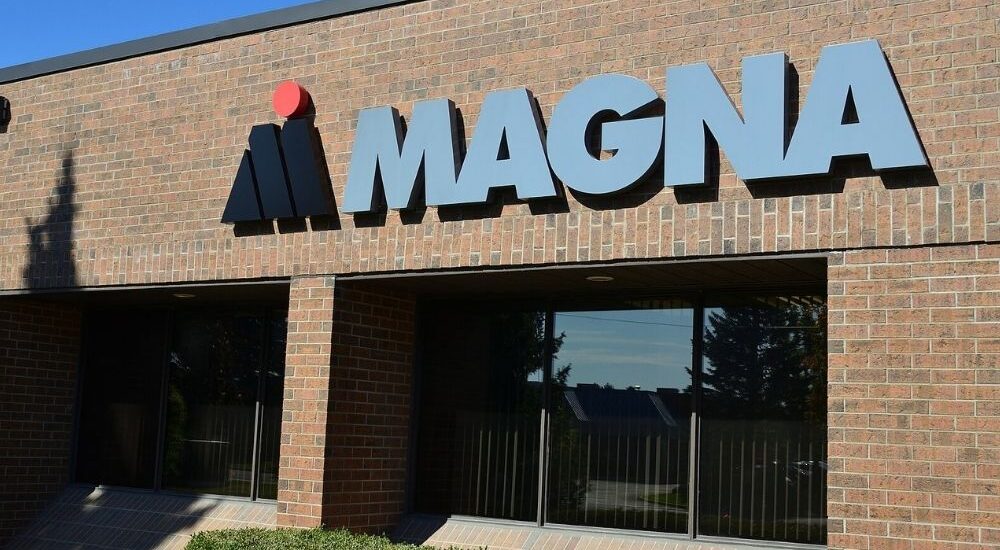
LG Magna e-Powertrain Co., a joint venture between South Korea’s LG Electronics and Canada-based Magna International, is set to construct its first electric vehicle (EV) parts production plant in Europe. The plant will be located in Miskolc, northeastern Hungary, and is part of the company’s efforts to expand its presence in the global EV market.
The facility, expected to be completed by 2025, will encompass a gross floor area of 26,000 square meters and will mark the company’s first manufacturing site in Europe, which is considered a strategically significant market for EV components.
The Hungarian plant will focus on producing EV traction motors and other core components required for EV powertrains. Traction motors play a critical role in EVs by generating and transmitting power, serving as inverters and converters, and being integral to the vehicle’s powertrain system.
Once operational, the Hungarian plant will join LG Magna’s existing manufacturing facilities located in Incheon, South Korea; Nanjing, China; and Ramos Arispe, Mexico. This expansion reflects LG Magna’s commitment to meeting the rising demand for EV components in the European market, which is experiencing significant growth as the automotive industry shifts toward electric mobility.
LG Magna e-Powertrain Co. was established in July 2021 through a partnership between LG Electronics and Magna International. The construction of the new plant in Hungary is expected to enhance the company’s growth prospects while allowing it to better cater to the European EV market.
Interested in learning more?
Sign up for Top Insights Today

Top Insights Today delivers the latest insights straight to your inbox.
You will get daily industry insights on
Oil & Gas, Rare Earths & Commodities, Mining & Metals, EVs & Battery Technology, ESG & Renewable Energy, AI & Semiconductors, Aerospace & Defense, Sanctions & Regulation, Business & Politics.
Read more insights
China keeps tariffs on stainless steel to defend struggling home industry
China has decided to maintain its anti-dumping duties on imported stainless steel products — a move that underscores Beijing’s resolve to shield its domestic industry from global oversupply and intensifying trade pressures.
The decision, announced Monday by China’s Ministry of Commerce, extends by another five years the tariffs first imposed in July 2019 on stainless steel billet and hot-rolled coil from Indonesia, the European Union, the UK, and South Korea. It signals that despite some industry hopes for relief, Chinese authorities remain focused on propping up a sector grappling with excess capacity, falling demand, and uncertain international trade conditions.

Panama’s business-friendly reputation takes hit by unrest over copper mine
Panama’s reputation as an investor-friendly haven is at risk due to attempts to shut a major Canadian-owned copper mine, which has triggered social unrest in the country. After facing intense popular protests and an explosion of public anger that paralyzed the country…
France in talks with Renault to boost drone production for Ukraine
France’s defense ministry has initiated talks with Renault to explore the automaker’s potential role in manufacturing drones, the company confirmed on Sunday, marking a notable convergence of civilian industry and defense policy amid the ongoing war in Ukraine.
The outreach follows comments from French Defence Minister Sébastien Lecornu, who last week announced plans to partner a major French automaker with a smaller defense contractor to help build drones in Ukraine. Although Lecornu did not name the companies involved, Renault was expected to play that role. Renault acknowledged it had been approached but said the discussions remain preliminary and contingent on further details from the ministry.