
Brazil’s Vale to build Middle East mega hubs to make low-carbon iron products
- September 6, 2023
- Posted by: Quatro Strategies
- Categories: Americas, ESG & Renewable Energy, Middle East, Mining & Metals
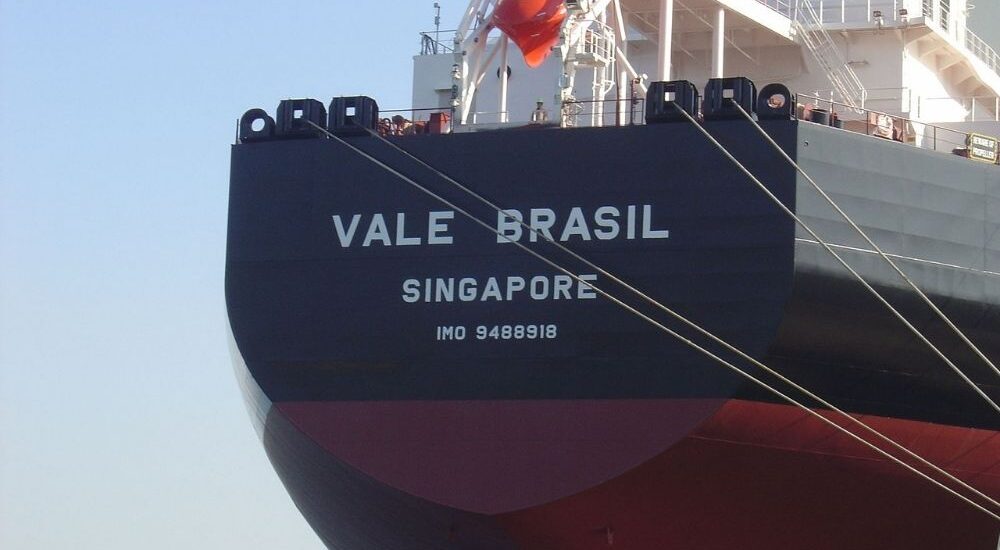
Brazilian mining giant Vale SA is embarking on an ambitious project to create “mega hubs” in Middle Eastern countries. These hubs, which will specialize in producing low-carbon iron ore products for the steel industry, are set to begin construction next year. Vale had previously revealed plans to establish these facilities in Saudi Arabia, Oman, and the United Arab Emirates.
The focal point of these mega hubs will be the production of hot iron ore briquettes, which are designed to serve both local and global markets. The overarching goal of this initiative is to align with global efforts to reduce greenhouse gas emissions from the steel sector. The adoption of iron ore briquettes as an alternative to traditional raw materials represents a significant step toward achieving this environmental objective.
While Vale has not disclosed the exact investment figures for these projects, it’s clear that this endeavor underscores the company’s commitment to sustainable mining practices. As environmental concerns continue to take center stage on the global agenda, Vale is positioning itself to meet the rising demand for eco-friendly materials in the steel production process.
In terms of the project’s logistics, Vale will be responsible for building and operating iron ore concentration and briquetting plants within these mega hubs. Concurrently, local partners will play a pivotal role in developing the essential infrastructure needed to support these operations.
By taking these bold steps, Vale aims not only to strengthen its presence in the Middle East but also to emerge as a leader in sustainable mining and the production of environmentally responsible steelmaking materials. As the steel industry seeks to reduce its carbon footprint, Vale’s forward-looking approach positions it to be a key player in this transformative process.
Interested in learning more?
Sign up for Top Insights Today

Top Insights Today delivers the latest insights straight to your inbox.
You will get daily industry insights on
Oil & Gas, Rare Earths & Commodities, Mining & Metals, EVs & Battery Technology, ESG & Renewable Energy, AI & Semiconductors, Aerospace & Defense, Sanctions & Regulation, Business & Politics.
Read more insights
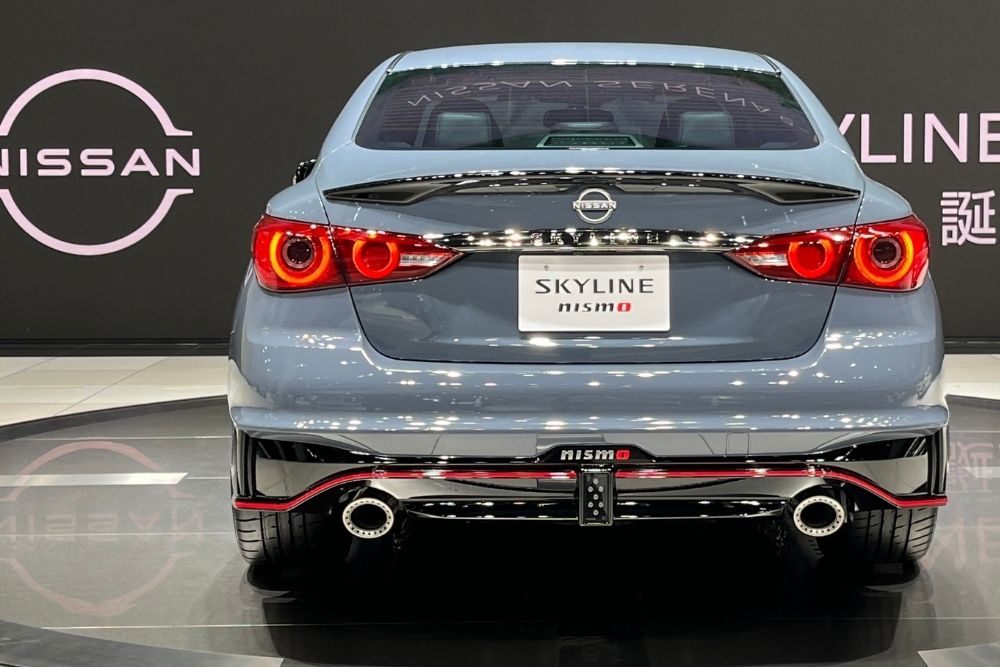
Japan’s auto industry braces for Trump’s tariffs, calls for government action
Japan’s automobile industry association has called on the government to shield domestic automakers from the potential tariffs that the U.S. may impose on auto imports and parts. The Japan Automobile Manufacturers’ Association (JAMA) expressed concern about the economic impact of President Donald Trump’s proposed 25%…
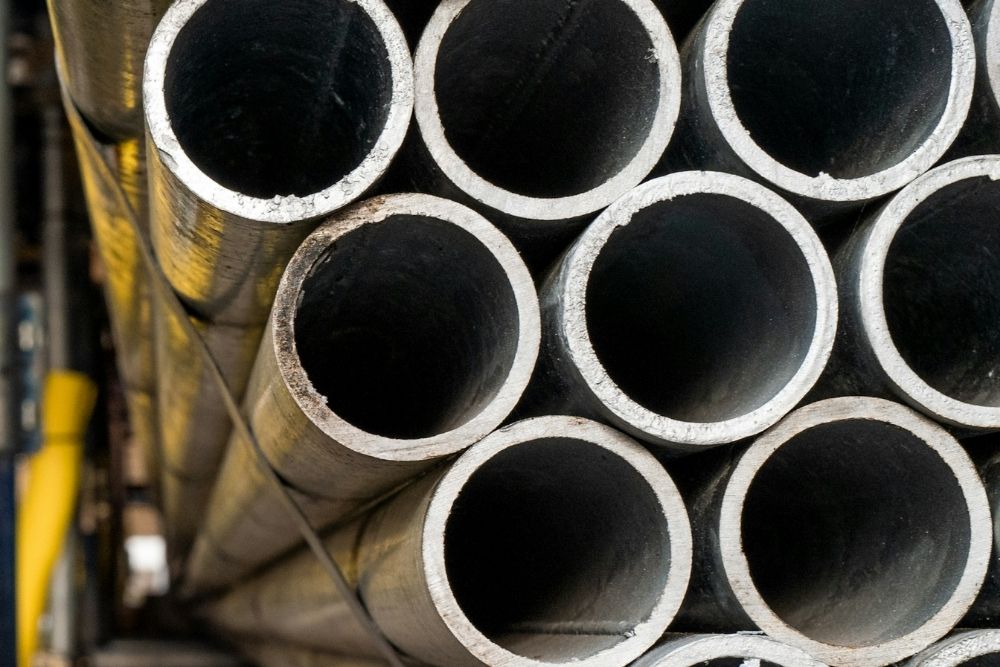
Transatlantic steel trade strains under Trump’s tariff regime
European Union steel exports to the United States have fallen by thirty-four percent since Washington doubled its tariffs to fifty percent, with the additional duties on derivative products such as washing machines and motorcycles compounding the damage by suppressing European demand across the broader manufacturing chain.
The decline, documented by the European steel industry association Eurofer, illustrates the concrete consequences of the Trump administration’s metals tariff regime for transatlantic trade and the deteriorating competitive position of European steel producers in the American market.
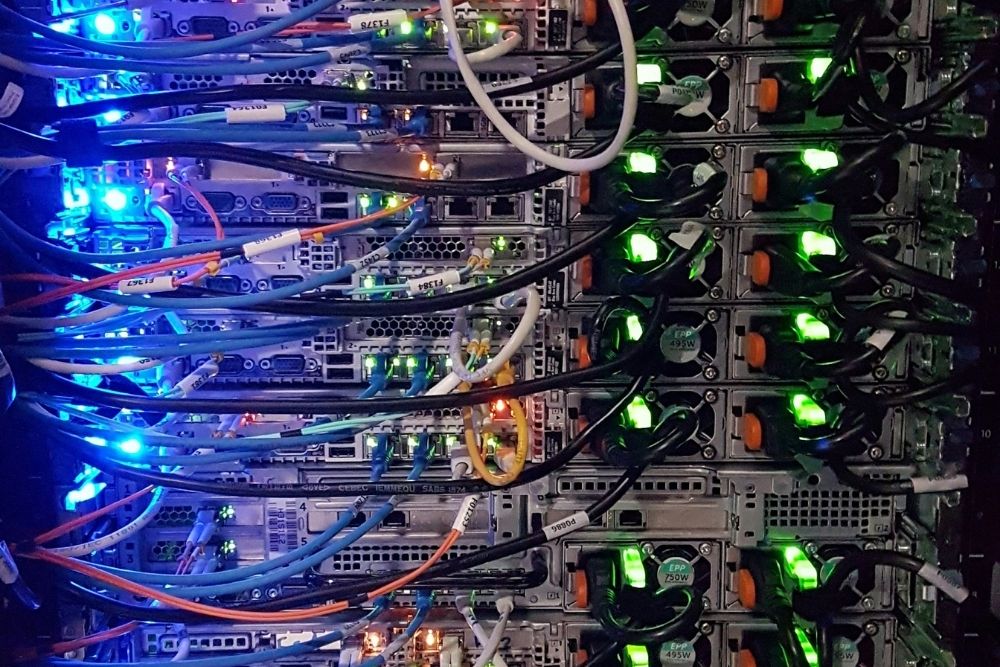
AI boom echoes past bubbles as investment outpaces returns
What was once the domain of academic labs and cautious venture capitalists has become one of the most expensive infrastructure drives in modern history. In just a few years, U.S. and global tech firms have poured more into data centers, specialized chips, and power infrastructure for AI than the United States spent, in inflation-adjusted terms, constructing its entire interstate highway system.
This frenzy has a striking resemblance to earlier periods of speculative overreach. The 19th-century railway mania in Britain, where vast sums were sunk into track that produced disappointing returns, and the late 1990s telecom boom, when fiber optic cables were laid across continents only to sit dark for a decade, both illustrate the pattern: exuberance builds faster than sustainable demand.