
Intel, Israel’s Tower Semiconductor enter into strategic partnership following failed merger
- September 6, 2023
- Posted by: Quatro Strategies
- Categories: AI & Semiconductors, Middle East, United States
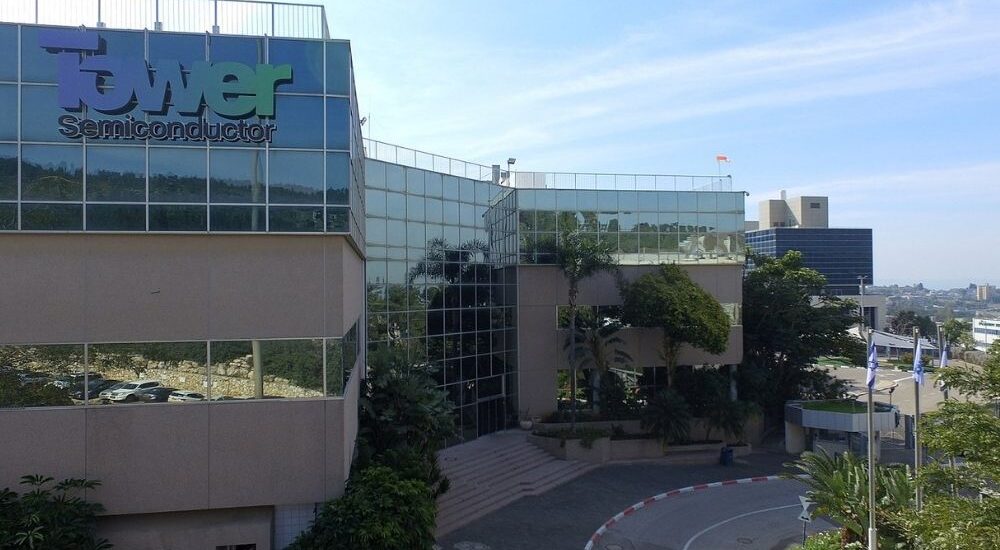
Intel and Tower Semiconductor have entered into a strategic partnership, following the termination of their proposed $5.4 billion merger due to regulatory challenges. Under this new agreement, Tower Semiconductor will invest $300 million in Intel’s manufacturing facility located in New Mexico. In return, Tower Semiconductor will acquire and own equipment and fixed assets to be deployed at this facility.
This partnership aims to bolster both companies’ positions in the semiconductor industry. Tower Semiconductor will gain access to a substantial production capacity of over 600,000 photo layers per month at the New Mexico facility. This expanded capacity will enable Tower Semiconductor to better meet the growing demand for next-generation 300mm chips, which are crucial for various applications, including advanced power management and radio frequency silicon on insulator (RF SOI) solutions.
Russell Ellwanger, CEO of Tower Semiconductor, sees this collaboration as an initial step toward multiple synergistic solutions with Intel. He noted that the collaboration would allow Tower Semiconductor to meet its customers’ demand roadmaps effectively, with full process flow qualification planned for 2024.
For Intel, this partnership enhances its foundry capabilities and competitive position in the semiconductor market. In 2021, Intel allocated $3.5 billion to its New Mexico facility and announced an additional $20 billion investment in a chip-making complex in Ohio in 2022. The company is making strategic moves to expand its foundry business, with a focus on advanced packaging solutions, to stay competitive with industry leader Taiwan Semiconductor Manufacturing Co. (TSMC).
During the second quarter of 2023, Intel’s foundry business reported robust revenue growth, increasing from $57 million in the previous year to $232 million. This growth was primarily driven by the adoption of advanced packaging techniques, where Intel can combine multiple chip components to create more powerful and efficient integrated circuits. The partnership with Tower Semiconductor is expected to further strengthen Intel’s position in the semiconductor foundry sector.
Interested in learning more?
Sign up for Top Insights Today

Top Insights Today delivers the latest insights straight to your inbox.
You will get daily industry insights on
Oil & Gas, Rare Earths & Commodities, Mining & Metals, EVs & Battery Technology, ESG & Renewable Energy, AI & Semiconductors, Aerospace & Defense, Sanctions & Regulation, Business & Politics.
Read more insights
Chinese property developer Country Garden at risk of default
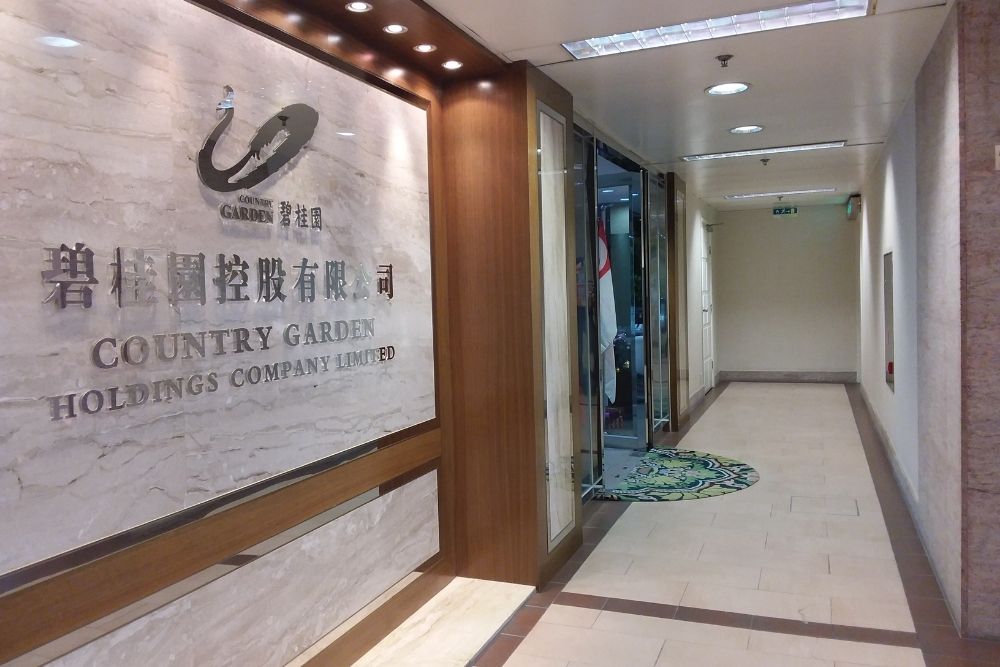
Chinese property developer Country Garden is facing another deadline, with two coupons totaling $66.8 million due on Monday. These coupons are tied to Country Garden’s bonds maturing in April 2024 and April 2026. While the payments have a 30-day grace period, the company faces a…

Iran conflict is breaking Latin America’s fuel-subsidy model
Latin America is beginning to respond to the Iran war not as a distant geopolitical event, but as a direct fiscal and social threat. The basic shift across the region is away from trying to fully shield consumers from imported fuel inflation and toward rationing the fiscal damage instead.
Brent has climbed sharply since the conflict began and that prolonged higher energy prices are already raising inflation risks and weakening growth prospects globally, especially for import-dependent emerging markets.
Asian jet fuel cargo to France shows Europe’s supply route barely reopening
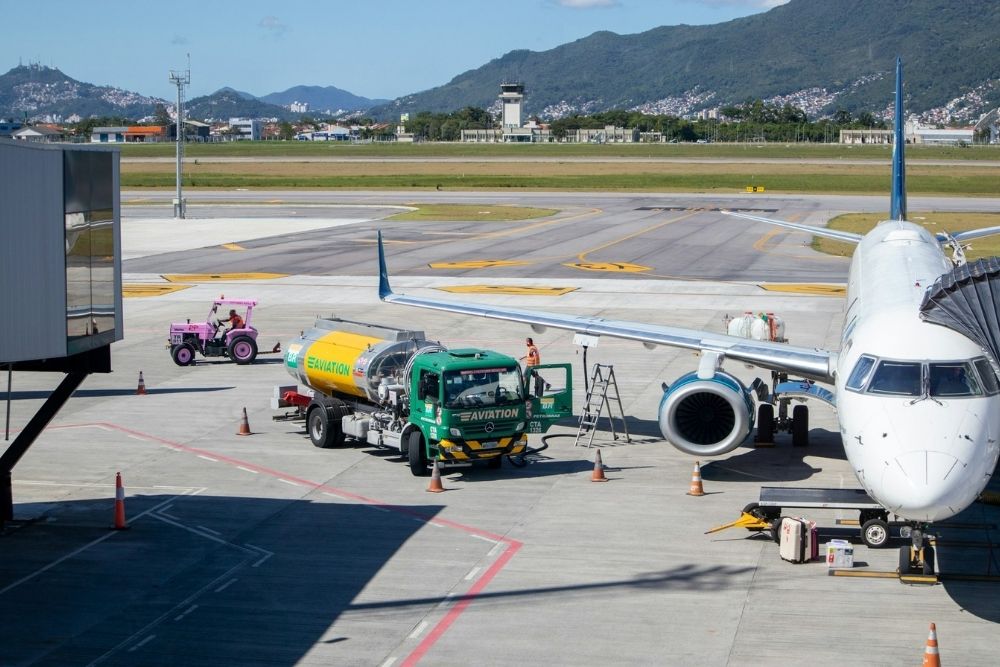
The first jet fuel cargo to travel from Northeast Asia to Europe since the Gulf conflict began has been loaded and is now en route to France, a single shipment that would barely merit attention under normal market conditions but that in the current environment serves as a closely watched indicator of whether the trans-Asian aviation fuel trade that Europe depends on for marginal supply is beginning to reopen.
Approximately 745,000 barrels of jet fuel were loaded at Yeosu in South Korea in early May, transferred to a larger vessel near the Strait of Malacca around May 18 to 21, and are now headed for French delivery, with trading house Vitol chartering both vessels involved in the operation.