
SQM awarded environmental certificate for Chile lithium mine
- September 7, 2023
- Posted by: Quatro Strategies
- Categories: Americas, ESG & Renewable Energy, Mining & Metals
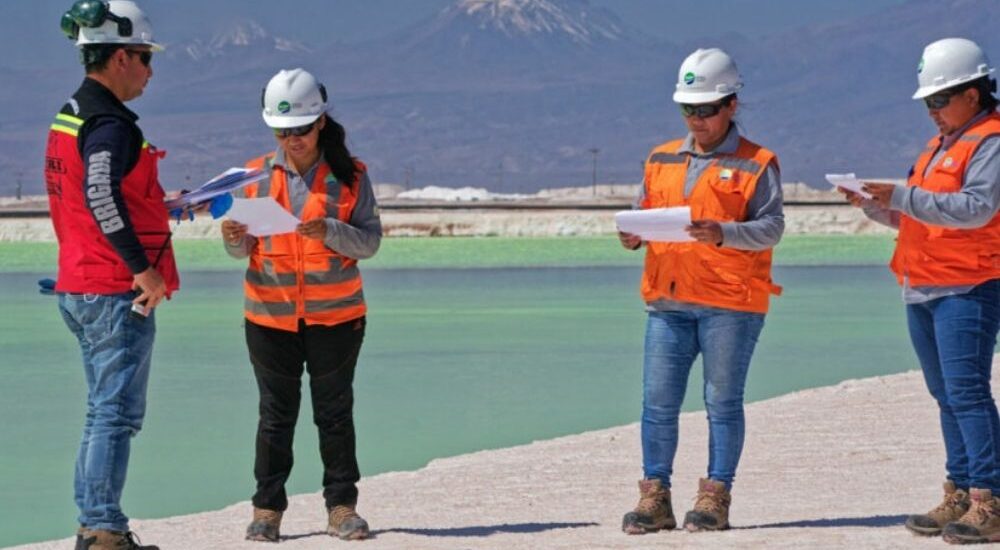
SQM, a major lithium producer, has announced that its operations in the Salar de Atacama salt flat in Chile have received IRMA (Initiative for Responsible Mining Assurance) certification. This certification measures the environmental and social performance of mine sites based on rigorous standards set by the IRMA.
SQM achieved a score of 75 out of a possible 100 on the IRMA scale, indicating strong performance in various areas. However, it received low marks for its security arrangements and emergency preparedness. On the positive side, the company received high marks for its respect for biodiversity, fair labor standards, and noise mitigation.
This certification makes SQM the second company in Chile to achieve IRMA certification, following Albemarle, another major lithium producer. Albemarle received a slightly lower overall ranking of 50, with low marks in areas like community health and safety but high marks for greenhouse gas emissions abatement, among other factors.
IRMA provides third-party verification and certification of mining practices to protect human rights, communities, and the environment along the supply chain. Companies like Ford and BMW have joined the initiative, and it is favored by many electric vehicle manufacturers to ensure responsible sourcing of critical battery materials.
SQM’s CEO, Ricardo Ramos, expressed the company’s commitment to transparency and improvement by sharing the results of the audit. IRMA certification is significant in the lithium industry as it demonstrates responsible mining practices, which are increasingly important as demand for lithium, a key component in electric vehicle batteries, continues to grow.
Interested in learning more?
Sign up for Top Insights Today

Top Insights Today delivers the latest insights straight to your inbox.
You will get daily industry insights on
Oil & Gas, Rare Earths & Commodities, Mining & Metals, EVs & Battery Technology, ESG & Renewable Energy, AI & Semiconductors, Aerospace & Defense, Sanctions & Regulation, Business & Politics.
Read more insights
Trump moves to reopen Arctic oil frontier in bid for U.S. energy dominance
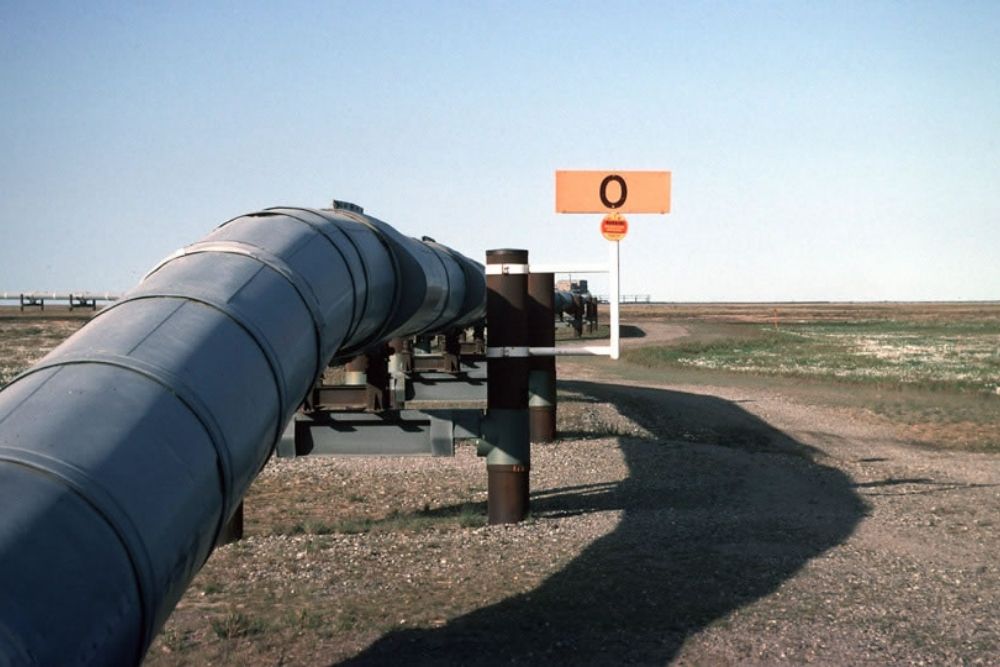
The Trump administration has announced a sweeping proposal to open up 82% of Alaska’s 23-million-acre National Petroleum Reserve (NPR-A) to oil and gas leasing, signaling a sharp reversal of policies implemented under President Joe Biden. This move, laid out by the Interior Department on Tuesday, underscores Donald Trump’s push to reassert U.S. energy dominance by aggressively expanding domestic fossil fuel production.
The proposed plan revives long-standing Republican goals to maximize development on federal lands, particularly in Alaska, where substantial untapped oil reserves lie beneath fragile tundra ecosystems. First designated in the 1970s during a time of energy insecurity, the NPR-A has been a focal point of competing priorities: the exploitation of hydrocarbons versus the preservation of unique Arctic ecosystems and the rights of Indigenous communities that depend on the land.
Iran war is boosting China’s metal exports and cleantech advantage
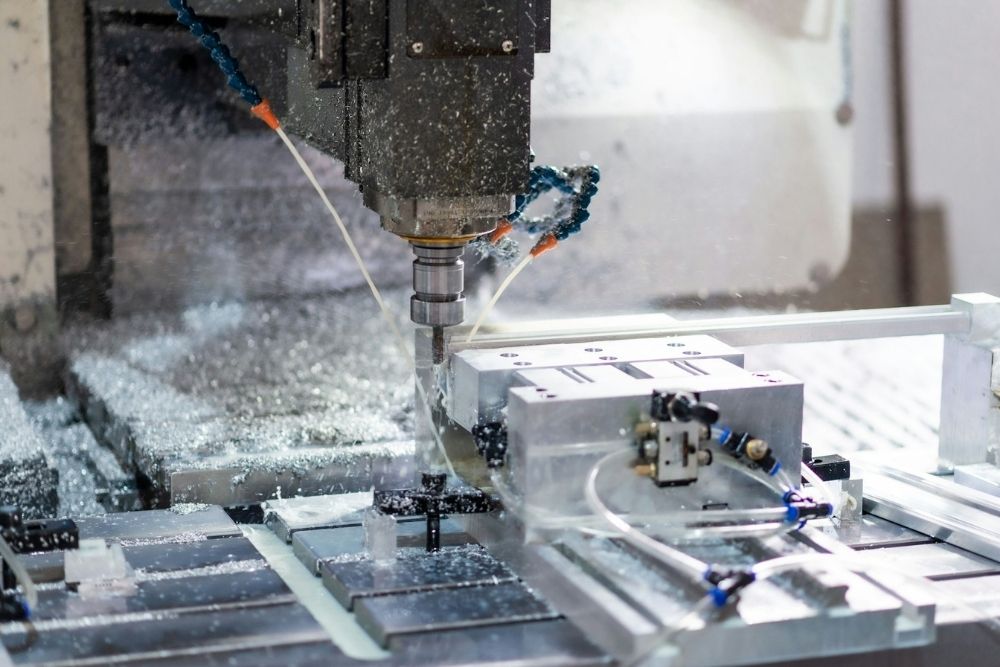
China is emerging as one of the clearest industrial beneficiaries of the Middle East war, not because it was insulated from the shock, but because the disruption has hit some of its external competitors harder while simultaneously boosting demand for the very products in which Chinese manufacturers are already strongest.
The Gulf conflict has cut aluminum output and exports from a region that accounts for about 9% of global primary supply, sent London aluminum prices to four-year highs, and tightened physical markets across Europe, the U.S., and Asia. At the same time, higher oil and gas prices have strengthened the case for electric vehicles, batteries, grid equipment, and solar systems, all sectors in which China has major scale advantages.
CATL and Gotion secure reserve approvals as Beijing rewrites lithium rules
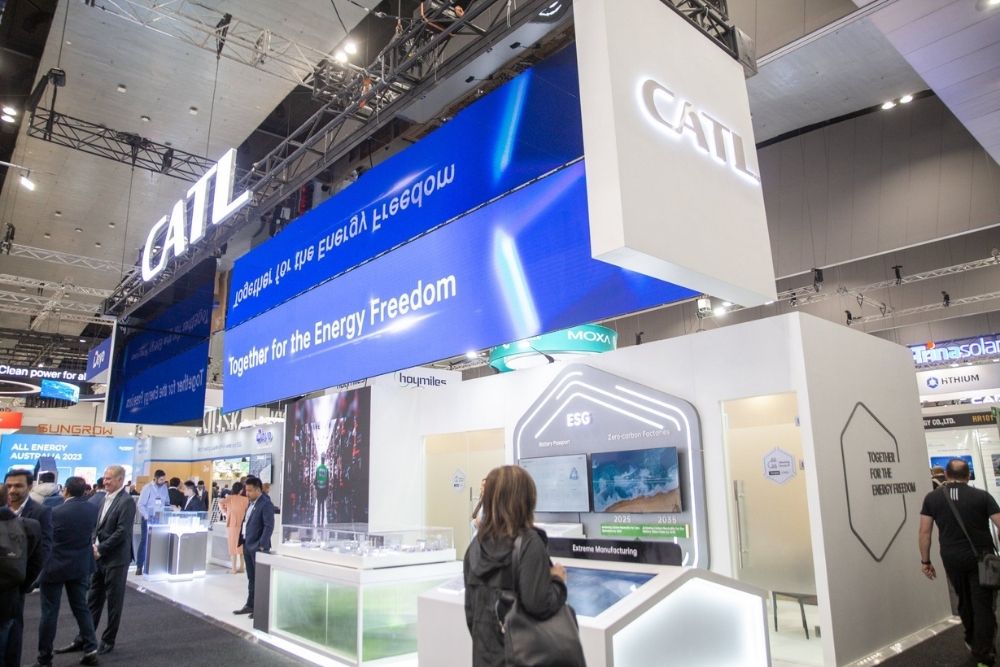
China just took a step toward normalizing output from its most watched lithium district, and showed how it intends to police a glutted market without pulling the plug on supply. Reserve reports for two big operators in Yichun, Jiangxi, CATL’s Jianxiawo mine and Gotion High-Tech’s project, have cleared the Ministry of Natural Resources, easing an administrative bottleneck that had fanned price volatility and spooked investors.
For CATL, the approval moves Jianxiawo closer to a new mining permit after last month’s halt, but not all the way to a restart; the company still needs the formal license and to tick off additional design and environmental conditions. Gotion, which continued producing during the review, now has sign-off on its mining plan and ecological restoration scheme and can pace output to market conditions.