
Repsol acquires renewables company ConnectGen, enters U.S. onshore wind market
- September 8, 2023
- Posted by: Quatro Strategies
- Categories: ESG & Renewable Energy, Europe, United States

Spanish energy company Repsol has entered the US onshore wind market through its acquisition of renewable energy developer ConnectGen for $768 million. The purchase is part of Repsol’s strategic shift from oil and gas to renewable energy, with a strong emphasis on the US market.
ConnectGen, which is being acquired from Quantum Capital, has 20 GW of planned onshore wind, solar, and energy storage projects in its portfolio. This acquisition aligns with Repsol’s goal of achieving 20 GW of installed renewable capacity by the end of the decade. Currently, Repsol operates around 2 GW of renewable energy projects and has another 3 GW under construction.
Repsol’s strategic move into the US onshore wind market underscores the company’s commitment to renewable energy generation, particularly in the US, which it views as a key market with substantial growth potential.
This acquisition comes on the heels of Repsol’s agreement to sell its oil and gas assets in Canada to Peyto for $468 million. It represents another significant step in Repsol’s ongoing efforts to expand and strengthen its presence in the renewable energy sector. The deal is expected to be finalized by the end of the year.
Interested in learning more?
Sign up for Top Insights Today

Top Insights Today delivers the latest insights straight to your inbox.
You will get daily industry insights on
Oil & Gas, Rare Earths & Commodities, Mining & Metals, EVs & Battery Technology, ESG & Renewable Energy, AI & Semiconductors, Aerospace & Defense, Sanctions & Regulation, Business & Politics.
Read more insights

Mitsubishi leads international coalition to advance electric natural gas development
Last year, the United States explored the possibility of acquiring cobalt for defense stockpiles. Although the Defense Logistics Agency (DLA) opted not to include cobalt purchases in its latest plan, it might consider them in the future. Any potential increase in cobalt reserves would be intended…
China tightens grip on rare-earth magnets as export permits slow
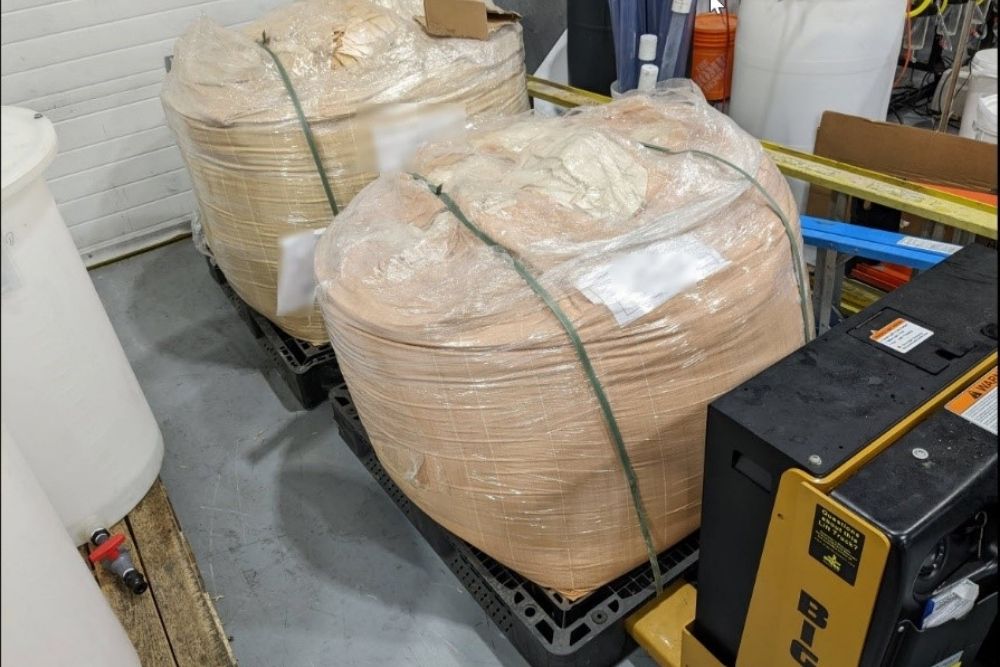
China’s grip on the rare-earth magnet trade is tightening again, and the export data are the tell. After three straight months of gains, September shipments of permanent magnets slipped to 5,774 tons from August’s seven-month high, even before Beijing rolled out a broader export-licensing sweep this month.
The drop is small in absolute terms and year-on-year volumes are still higher, but the timing, coinciding with revived tariff threats and fresh licensing scrutiny suggests policy signal as much as market noise. For Washington, which has pushed to wall off defense supply chains from Chinese inputs, the specter is familiar: a reminder that Beijing holds a lever over components embedded in everything from guided munitions and radar drives to EV traction motors and smartphones.
Energy security fears extend coal’s life across Asia and Europe
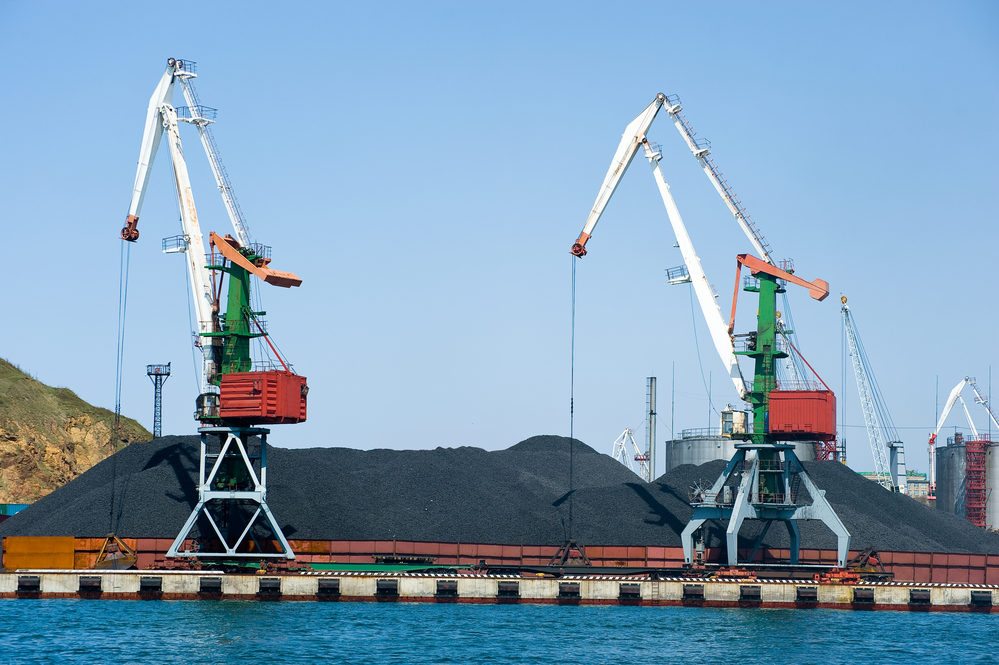
The war in and around Iran is giving coal its strongest political and commercial opening in years, not because governments have suddenly abandoned decarbonization, but because a second major gas shock in barely four years is undermining faith in natural gas as a dependable transition fuel. What had already been a difficult effort to push coal into structural decline is now being complicated by a new round of energy insecurity, especially in Asia but also in parts of Europe.
Countries facing high gas prices and disrupted LNG supply are increasingly falling back on coal as the most readily available substitute, while the International Energy Agency’s own late-2025 outlook had already shown coal demand hitting a record 8.85 billion tonnes before a projected gradual decline later in the decade.