
Britain’s Octopus to buy stake from Norwegian offshore wind developer
- September 13, 2023
- Posted by: Quatro Strategies
- Categories: ESG & Renewable Energy, Europe
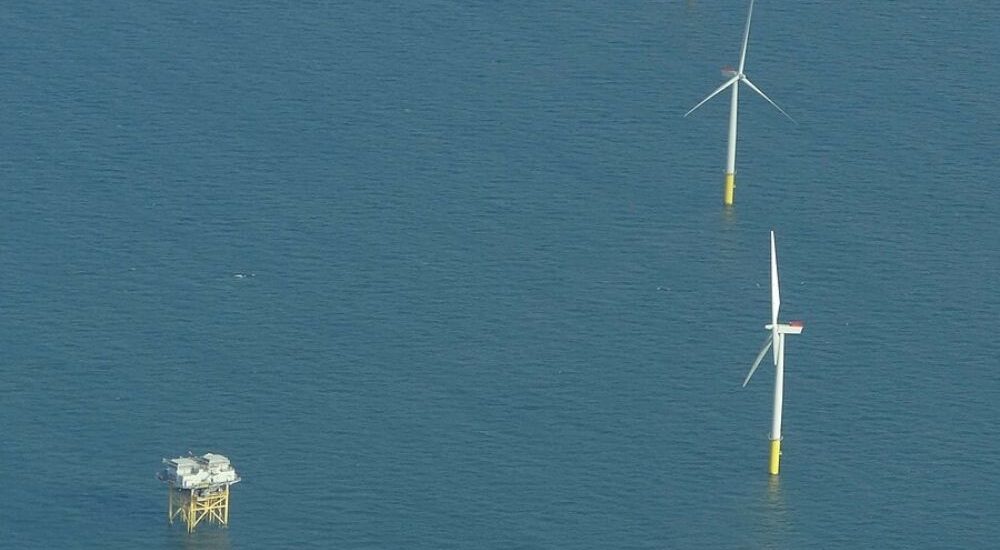
Octopus Energy, a British energy company, is set to acquire a stake in Deep Wind Offshore, a Norwegian offshore wind developer with projects in Norway, Sweden, and South Korea. The financial details of the transaction and the size of the stake were not disclosed. This investment is made by Octopus Energy’s generation arm and adds to the existing investments from Knutsen OAS, Haugaland Kraft, and Sunnhordland Kraftlag.
Deep Wind Offshore is focused on building 10 gigawatts (GW) of offshore wind capacity by 2032, with 2 GW already under exclusive development in South Korea and plans to bid in upcoming auctions in Norway.
Octopus Energy plans to invest $20 billion in offshore wind projects globally. This deal represents Octopus Energy’s entry into the renewable markets of Norway and South Korea, expanding its portfolio of renewable energy investments.
Octopus Energy is already involved in offshore wind projects in England and the Netherlands and is an investor in floating offshore wind developer Simply Blue.
This move further demonstrates the company’s commitment to expanding its presence in the offshore wind sector and supporting the global transition to renewable energy sources.
Interested in learning more?
Sign up for Top Insights Today

Top Insights Today delivers the latest insights straight to your inbox.
You will get daily industry insights on
Oil & Gas, Rare Earths & Commodities, Mining & Metals, EVs & Battery Technology, ESG & Renewable Energy, AI & Semiconductors, Aerospace & Defense, Sanctions & Regulation, Business & Politics.
Read more insights

Automakers working to minimize rare earths usage in EVs to reduce reliance on China
Automakers worldwide are intensifying efforts to reduce or eliminate the use of rare earth elements in electric vehicle (EV) motors, a domain predominantly dominated by China. Traditionally, EV motors have relied on rare earth-based permanent magnets, particularly neodymium, known…
China’s LNG importers capitalize on plummeting spot market prices
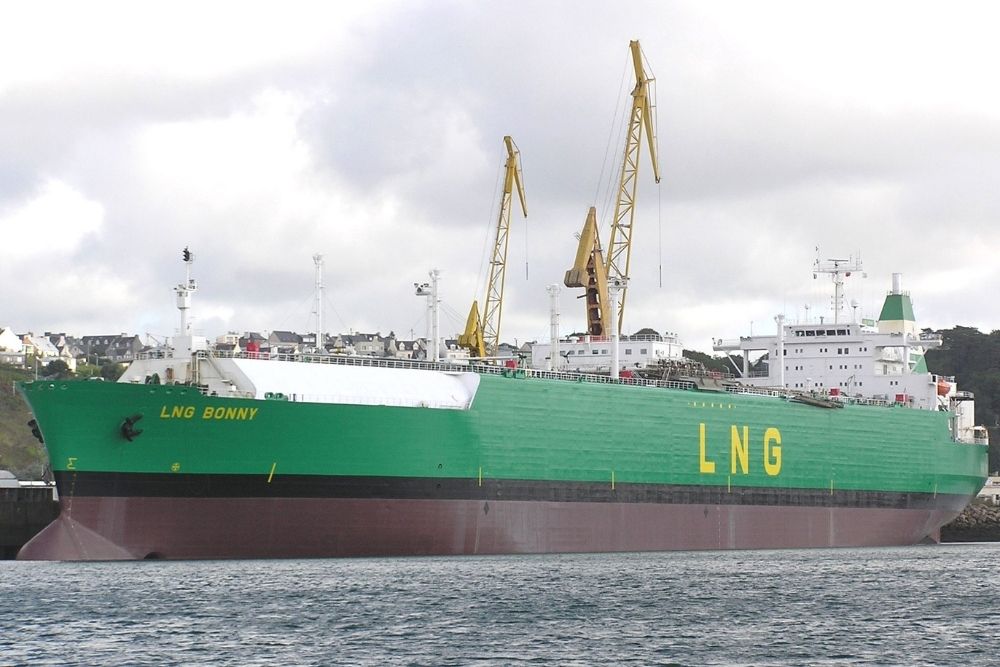
Chinese LNG importers are capitalizing on the recent plunge in spot market prices for liquefied natural gas (LNG) in North Asia, which have dropped to nearly three-year lows. Companies like Shenzhen Energy Group, China Gas Holdings Ltd, and China Resources Gas Group are actively seeking…
New York State approves Equinor’s Empire Wind 1 offshore wind project
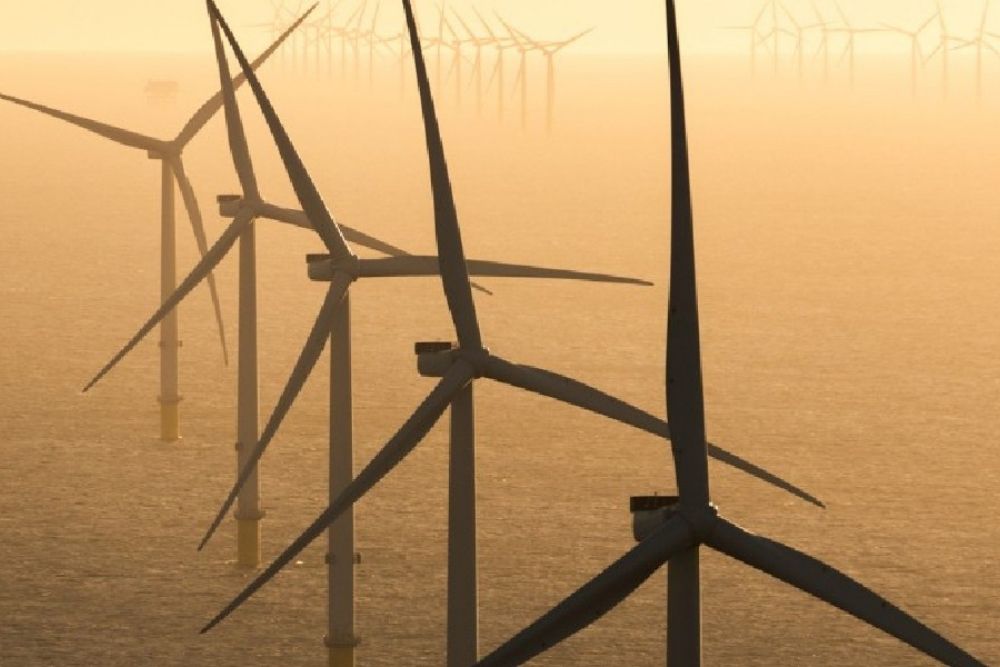
Norwegian energy company Equinor has received approval from the New York State Public Service Commission to commence construction of its Empire Wind 1 offshore wind farm, as announced by Governor Kathy Hochul on Thursday. This approval marks a significant milestone in the development…