
Germany’s Covestro gives green light for ADNOC takeover
- September 12, 2023
- Posted by: Quatro Strategies
- Categories: Europe, Middle East, Oil & Gas
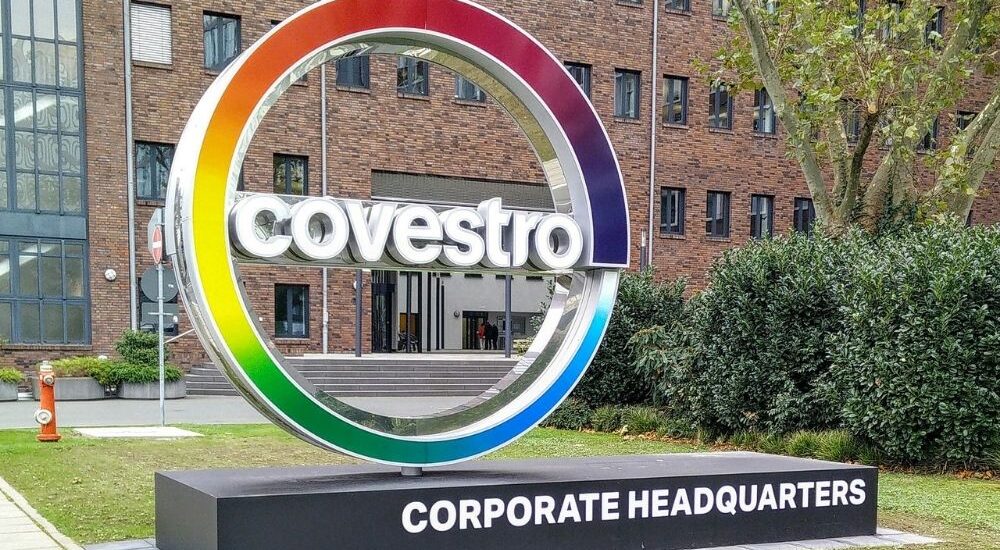
Covestro, a German plastics and chemicals company, has decided to enter into ongoing discussions with Abu Dhabi National Oil Company (ADNOC) regarding ADNOC’s takeover proposal. This decision follows advice from significant shareholders who believed that formal takeover talks were in the best interest of Covestro’s shareholders.
ADNOC, which is seeking to expand its downstream and renewable energy operations, had made a preliminary offer of 55 euros per share for Covestro in June. However, this offer was initially rejected by Covestro. In August, ADNOC indicated its willingness to raise the offer to 60 euros per share, contingent on Covestro agreeing to formal negotiations.
The potential acquisition of Covestro by ADNOC has raised discussions about the competitiveness of the European chemical industry, which has been facing challenges such as cost inflation and a sluggish economy.
Covestro’s shares responded positively to the news, closing up by 7.8% and reaching their highest levels in about 18 months. The outcome of these discussions between Covestro and ADNOC could have significant implications for both companies and the chemical industry as a whole.
Interested in learning more?
Sign up for Top Insights Today

Top Insights Today delivers the latest insights straight to your inbox.
You will get daily industry insights on
Oil & Gas, Rare Earths & Commodities, Mining & Metals, EVs & Battery Technology, ESG & Renewable Energy, AI & Semiconductors, Aerospace & Defense, Sanctions & Regulation, Business & Politics.
Read more insights
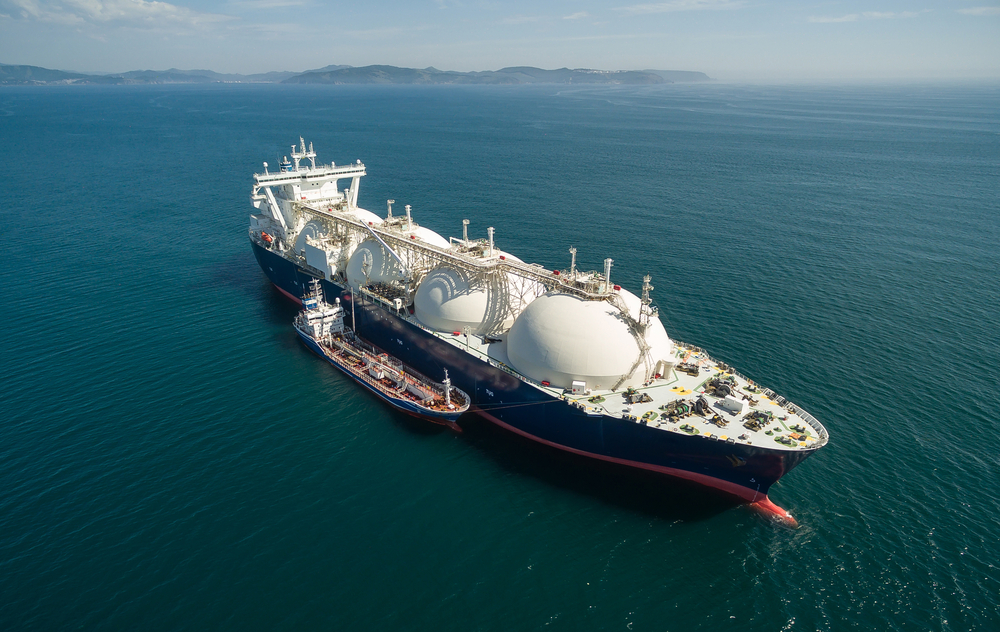
Egypt plans to lease natural gas import terminal to avert summer energy shortages
Egypt is taking proactive steps to mitigate potential energy shortages this summer by planning to lease a natural gas import terminal. The state-run Egyptian Natural Gas Holding Co. (EGAS) is currently in discussions with providers of floating storage and regasification units to secure a five-year contract that…

Asia on alert as Iran conflict threatens crude lifelines through the Gulf
As tensions surrounding Iran intensify, Asia — the world’s largest crude-importing region — is on high alert, with oil buyers and traders bracing for the fallout from any disruption to flows through the Persian Gulf. The region is deeply exposed to Middle East supply routes, particularly the Strait of Hormuz, through which over 90% of Asia’s Middle East-bound oil passes.
Any prolonged instability here could ripple across energy markets, reroute trade flows, and potentially trigger a broader reordering of regional energy security strategies. China’s entanglement with Iranian crude illustrates the stakes. Official data shows about 14% of Chinese crude imports originate from Iran, but in practice the volume is likely much higher.

Alberta introduces incentive program to spur carbon capture investment
The Canadian province of Alberta has unveiled a new incentive program aimed at fostering investment in carbon capture utilization and storage (CCUS) projects. This initiative comes in addition to the federal government’s existing CCUS tax credit introduced in the previous year…