
Stalling U.S., EU green steel trade talks could mean reimposition of tariffs
- September 14, 2023
- Posted by: Quatro Strategies
- Categories: ESG & Renewable Energy, Europe, Mining & Metals, United States
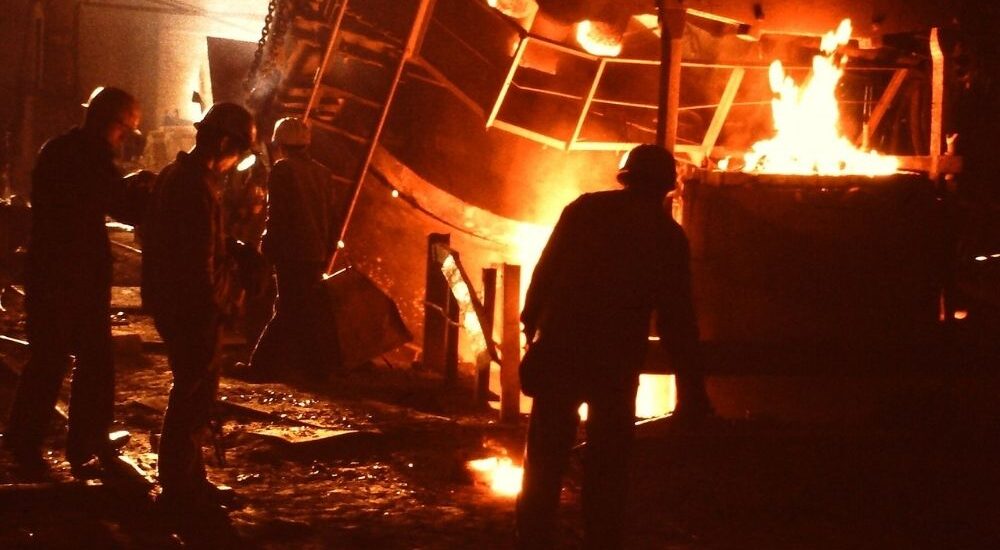
Negotiations between the United States and the European Union (EU) for a “green steel” trade deal have reportedly stalled, risking the reimposition of tariffs on steel and aluminum imports from the EU. These talks, which aim to limit imports from steel-producing countries with high carbon emissions and excess production capacity, are part of a broader agreement on sustainable steel and aluminum. Key points include:
Negotiations began in October 2021 following a truce in the US-EU trade dispute over Section 232 tariffs on steel and aluminum, which had prompted EU retaliatory measures.
Disagreements persist over the structure of trade restrictions to curb carbon emissions and excess production capacity. Differences revolve around the definition of “green steel” and concerns about proposed measures violating global trade rules.
The measures primarily target China, a major global steel producer, which faces concerns over carbon emissions and overcapacity in its steel industry.
If no agreement is reached by the October 31 deadline, the US could reintroduce tariffs on steel (25%) and aluminum (10%) imports from the EU, triggering likely EU retaliatory tariffs.
The EU favors Carbon Border Adjustment Mechanism (CBAM) to address carbon emissions in imports. This mechanism requires importing companies to purchase carbon credits for carbon-intensive goods. The US has reservations about adopting a similar mechanism.
Both sides insist on WTO-compliant solutions, but they differ in their approaches to meeting these rules.
Failure to meet the deadline could extend negotiations into the contentious 2024 election year in the US and may face political challenges. The EU also holds parliamentary elections in 2024, which could impact trade sentiments.
The outcome of these talks has significant implications for global steel and aluminum trade and efforts to combat climate change by promoting sustainability in heavy industries.
Interested in learning more?
Sign up for Top Insights Today

Top Insights Today delivers the latest insights straight to your inbox.
You will get daily industry insights on
Oil & Gas, Rare Earths & Commodities, Mining & Metals, EVs & Battery Technology, ESG & Renewable Energy, AI & Semiconductors, Aerospace & Defense, Sanctions & Regulation, Business & Politics.
Read more insights
Global EV sales soar 25% in 2024, surpassing 17 million units
Global sales of fully electric and plug-in hybrid vehicles rose significantly in 2024, reaching over 17 million units—a 25% year-on-year increase—driven by record-breaking sales in December. This growth was largely fueled by sustained demand in China and a stabilizing European market. Incentives and stringent emissions targets played a pivotal role…
Iron ore futures hit three-month high on China property sector optimism
Iron ore futures reached a three-month peak on Wednesday, buoyed by optimism surrounding increased demand in China’s property sector, despite abundant stocks in the country. The most-traded September iron ore contract on China’s Dalian Commodity Exchange (DCE) surged 2.5% to 919 yuan ($126.95) per metric ton…
Trump’s tariff plans spur Volkswagen to fast-track U.S. Audi, Porsche production
Audi and Porsche, unlike their parent company Volkswagen, do not currently manufacture vehicles in the United States, a situation that may become problematic due to impending tariffs on car imports announced by U.S. President Donald Trump. While Volkswagen has a plant in Chattanooga, Tennessee, Audi and Porsche have so far produced…