
Oil prices rise to highest this year amid expectations of tighter supply
- September 15, 2023
- Posted by: Quatro Strategies
- Categories: Middle East, Oil & Gas, United States
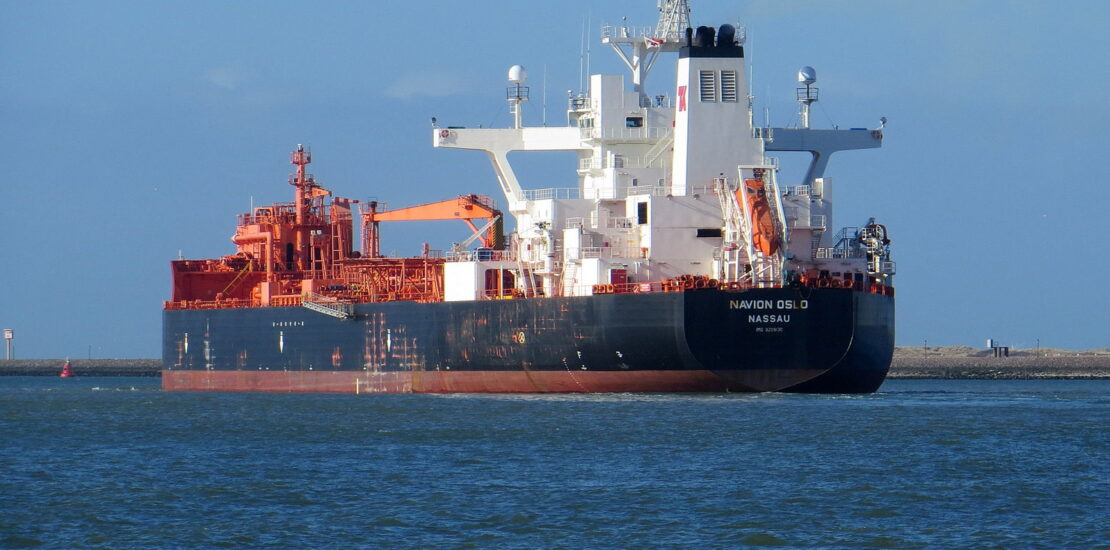
Oil prices surged to their highest levels of the year, with Brent crude rising to $93.70, the highest since November 2022, and West Texas Intermediate (WTI) crude closing above $90 for the first time since November. These price hikes were driven by expectations of tighter supply outweighing concerns about weaker economic growth and rising U.S. crude inventories.
The International Energy Agency (IEA) reported that extended oil output cuts by Saudi Arabia and Russia would result in a market deficit through the fourth quarter. This contributed to the positive sentiment in the oil market. Hedge funds have been actively buying crude oil futures in recent weeks due to strong fundamentals, propelled by robust demand for gasoline and diesel.
OPEC also issued updated forecasts indicating solid demand and a potential supply deficit in 2023 if production cuts are maintained. Concerns are growing about the sufficiency of supply, with Russia and Saudi Arabia taking actions that could constrain supplies, especially as the peak northern hemisphere demand season approaches.
The European Central Bank raised its key interest rate to a record peak, indicating it might be the final move to control inflation. Investors expect the U.S. Federal Reserve to keep interest rates steady in its upcoming meeting. On the other side of the globe, China’s central bank announced a reduction in the amount of cash that banks must hold as reserves for the second time in the year, aiming to boost liquidity and support the country’s economic recovery. However, China’s economic recovery remains uncertain, causing concerns in the oil market due to its position as the world’s second-largest oil consumer.
Interested in learning more?
Sign up for Top Insights Today

Top Insights Today delivers the latest insights straight to your inbox.
You will get daily industry insights on
Oil & Gas, Rare Earths & Commodities, Mining & Metals, EVs & Battery Technology, ESG & Renewable Energy, AI & Semiconductors, Aerospace & Defense, Sanctions & Regulation, Business & Politics.
Read more insights
Copper rally built on speculative trading, short covering rather than demand surge
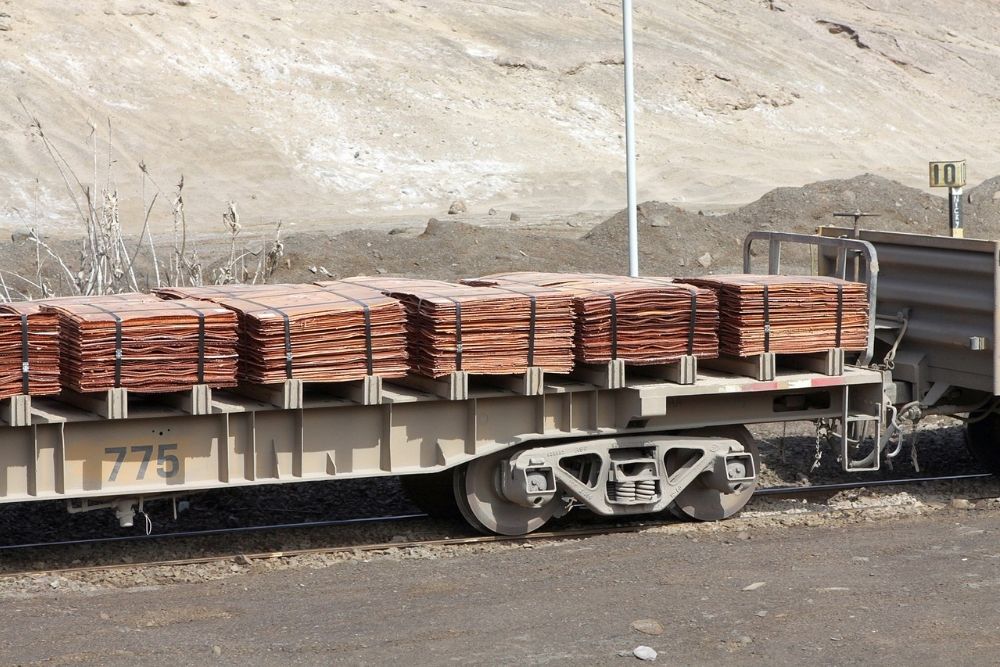
Copper’s recent surge to record highs may not be sustainable in the near term, as much of the activity revolves around covering short positions in the U.S. Comex futures market rather than strong demand from top consumer China. While prices on the CME Group’s Comex reached new highs last week and benchmark…

Saudi port city Jeddah added as approved LME warehouse location for key metals
The London Metal Exchange (LME) has approved Jeddah, a major port city on the Red Sea in Saudi Arabia, as a new warehouse delivery point for copper and zinc. This decision, announced on Monday, is set to take effect three months after the first warehouse company is accredited in the new location…
China’s smelting overbuild risks Western exit from copper value chain
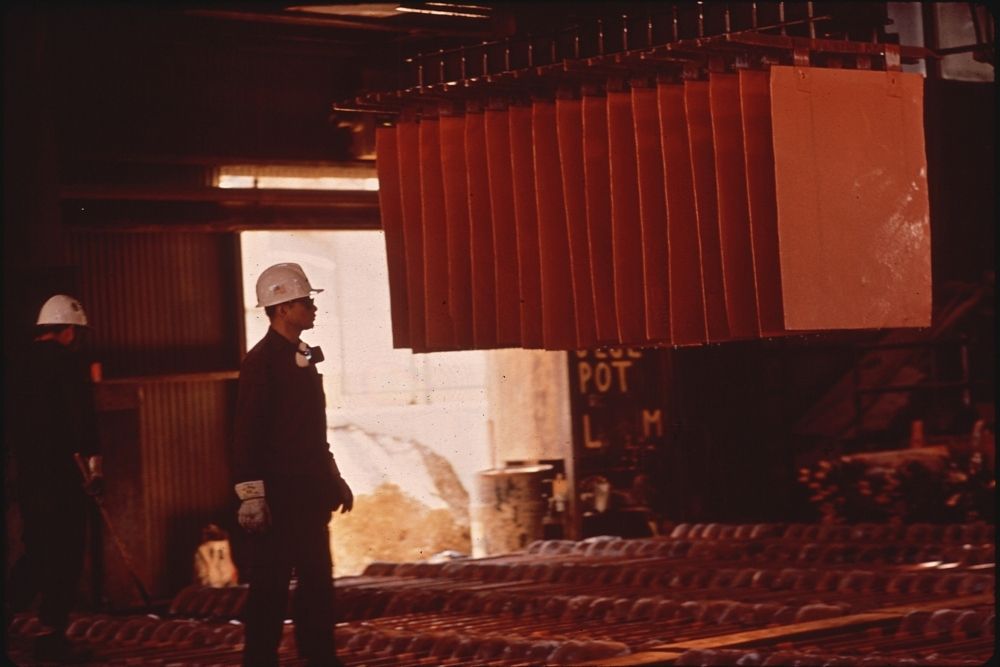
Copper smelters are now facing an unprecedented squeeze in margins, as the scarcity of copper concentrate supply and an oversaturated processing industry collide to push treatment and refining charges (TCRCs) into negative territory. In an extraordinary twist, some smelters are now paying miners to accept their concentrate — a reversal of the traditional commercial logic that underpins the copper supply chain.
TCRCs, which historically formed the bedrock of smelter profitability, have plunged below zero in both spot markets and early mid-year negotiations, indicating the degree of stress engulfing the sector. While some observers interpret this as yet another sign of a chronic shortfall in mined copper supply, the deeper issue is structural: smelting capacity — particularly in China — has grown too fast relative to available feedstock.