
Shanghai Futures Exchange considers nickel futures to rival London Metal Exchange
- September 15, 2023
- Posted by: Quatro Strategies
- Categories: China, Europe, Mining & Metals
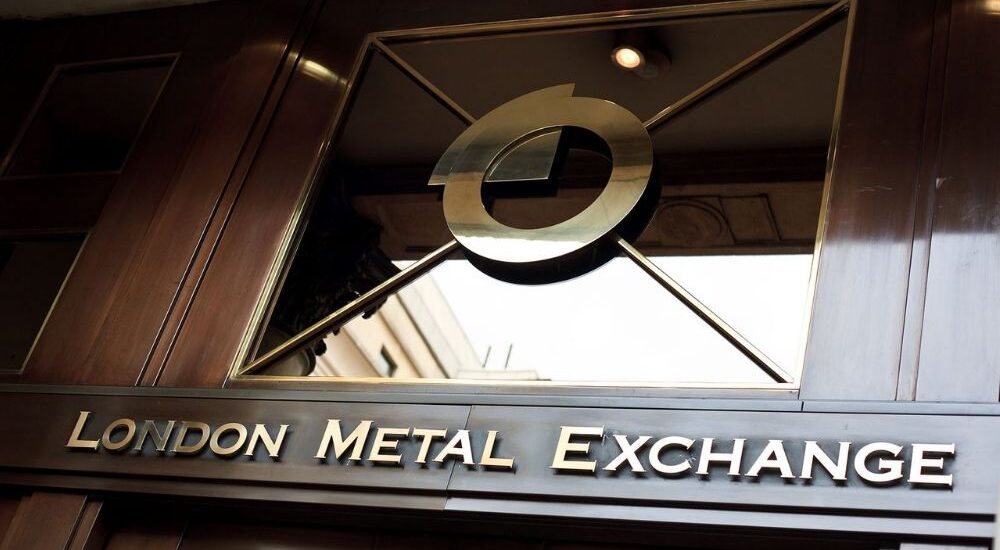
The Shanghai Futures Exchange (ShFE) is exploring the possibility of introducing nickel futures for international use, potentially challenging the London Metal Exchange’s (LME) contract. The move comes after a trading crisis in March 2022 severely impacted market confidence in LME’s nickel prices, which had long served as a global benchmark. ShFE is assessing the nickel market’s structure, supply, demand, and other factors at the behest of industry participants seeking alternatives.
To provide international firms access to these futures, ShFE would introduce the contracts on its International Energy Exchange (INE), where commodities like copper, crude oil, and rubber are traded in yuan. The specifics of when the nickel future might launch and its contract specifications remain undecided as ShFE is currently engaging in consultations with the industry.
Two potential deliverable materials for the INE contract being considered are nickel briquette and pressed metal powder. On the other side, CME Group is also exploring the launch of a nickel contract that would settle against prices gathered from a platform to be launched by British-based Global Commodities Holdings (GCH). Abaxx in Singapore is also working towards launching a nickel sulphate contract, the first of its kind, targeting the type of nickel used in lithium-ion rechargeable batteries for electric vehicles.
ShFE’s INE had previously introduced a physically deliverable copper contract in 2020, aiming to bolster the domestic market’s influence over metal prices used in the power and construction sectors. However, the liquidity of the INE copper contract has been low, prompting efforts to expand warehousing networks outside China to enhance volumes and liquidity.
Interested in learning more?
Sign up for Top Insights Today

Top Insights Today delivers the latest insights straight to your inbox.
You will get daily industry insights on
Oil & Gas, Rare Earths & Commodities, Mining & Metals, EVs & Battery Technology, ESG & Renewable Energy, AI & Semiconductors, Aerospace & Defense, Sanctions & Regulation, Business & Politics.
Read more insights

Saudi Aramco starts tapping unconventional gas reserves
Saudi Arabia’s state oil company, Aramco, announced the production of the first tight gas at South Ghawar, signaling a move to enhance its gas production as part of a broader strategy. Tight gas refers to unconventional gas found in reservoir rocks with low permeability…
Energy transition projects become lifelines for Europe’s aging refineries
Europe’s refiners are under no illusion about the game they’re playing. After a decade of closures and consolidation, the benchmark has shifted from “how much fuel can you make?” to “how fast can you decarbonize, diversify, and still make money?”
New, highly efficient complexes in the Middle East, Asia, and now Africa are exporting ever-cleaner barrels at scale, squeezing margins at Europe’s older, smaller plants. Layer onto that a thickening web of EU and UK rules; mandated blends, lifecycle carbon limits, jet-fuel decarbonization targets, and the survival strategy isn’t just compliance. It’s reinvention.
CATL and Volkswagen expand partnership to advance EV battery innovation
Chinese battery giant CATL has signed a strategic cooperation Memorandum of Understanding (MOU) with Volkswagen to deepen collaboration on lithium battery research and development for new energy vehicles (NEVs), new materials, and parts development. The partnership aims to create technologically advanced and cost-competitive…