
Taiwan’s Hota to build first non-Asian plant in New Mexico
- September 21, 2023
- Posted by: Quatro Strategies
- Categories: Asia Pacific, Business & Politics, EVs & Battery Technology, United States
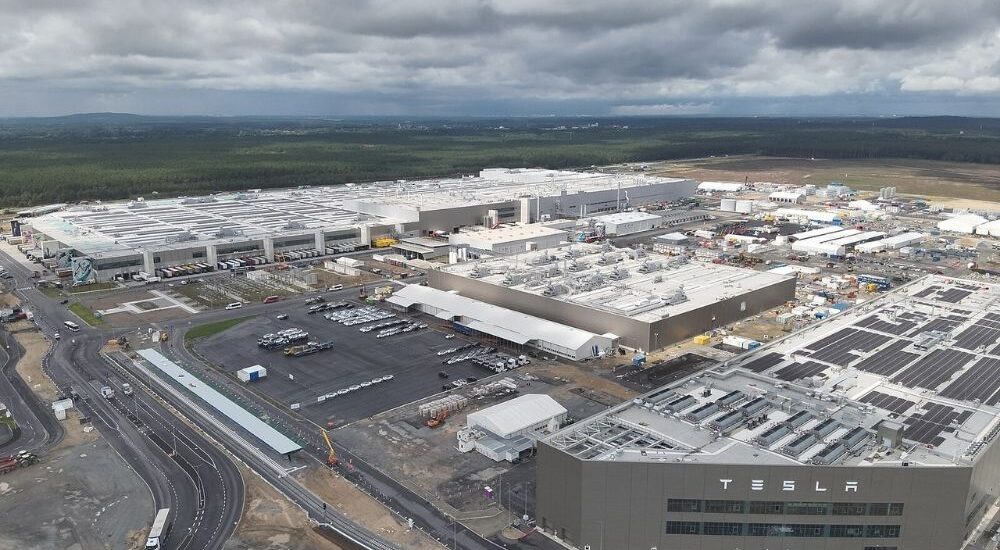
Taiwanese auto component manufacturer Hota Industrial Mfg. Co. has made a significant announcement regarding its global expansion strategy. The company revealed plans to invest $99 million in building its inaugural plant outside of Asia, and the chosen location is in the U.S. state of New Mexico. This move represents a fundamental shift in Hota’s operational footprint, marking a crucial step towards global diversification and localization.
The selected site for the plant is Santa Teresa, situated near the U.S.-Mexico border. Construction is set to commence early in the upcoming year, with the goal of initiating mass production by the year 2025. Hota’s decision to establish a manufacturing hub in the United States is propelled by several strategic considerations. One of the primary drivers is the evolving landscape of global trade and production networks, characterized by changes brought about by the prolonged COVID-19 pandemic and the ongoing trade tensions between the U.S. and China.
Chairman David Shen emphasized the shifting paradigm of globalization, highlighting the increased focus on regional supply chains in response to recent disruptions. In this altered landscape, having a production facility in the United States strengthens Hota’s resilience and agility in serving their North American customer base. Over 60% of Hota’s sales originate from North America, accentuating the strategic importance of establishing a manufacturing hub in proximity to this major market.
Furthermore, the burgeoning electric vehicle (EV) industry in the United States played a pivotal role in Hota’s decision-making process. With the global trend towards sustainability and EV adoption gaining momentum, being close to the heart of the U.S. EV sector positions Hota strategically in a high-growth industry. The need for EV components is anticipated to surge, and by establishing operations in Santa Teresa, Hota ensures it can swiftly cater to the demands of this evolving market.
The State of New Mexico is actively supporting Hota’s expansion plans. Governor Michelle Lujan Grisham expressed the readiness of the state to facilitate and accommodate Hota’s growth, recognizing the significance of such investments in promoting regional development and job creation. The state is contributing $3 million in funding and is also considering additional tax credits to foster a conducive business environment for Hota’s endeavors.
In the broader context of U.S.-Taiwan relations, Hota’s expansion aligns with a broader narrative of deepening economic ties. The U.S. is emerging as an attractive destination for Taiwanese companies looking to invest abroad, particularly in key sectors like semiconductor manufacturing and electric vehicle technologies. The move by Hota mirrors a larger trend where Taiwanese companies are increasingly finding synergy with U.S. markets and industries, contributing to the growth of both economies.
James Huang, Chairman of the Taiwan External Trade Development Council, emphasized the growing importance of electric vehicles in bilateral trade. He highlighted New Mexico’s emerging role as a pivotal hub in the U.S. electric vehicle supply chain. The investment by Hota is anticipated to have far-reaching implications, not only in enhancing the company’s global presence but also in elevating Taiwan-U.S. economic collaboration, particularly in the burgeoning electric vehicle domain.
Hota Industrial Mfg. Co.’s strategic decision to invest in a manufacturing plant in New Mexico underscores the changing dynamics of global trade and production. By establishing a presence in the U.S., Hota is well-positioned to tap into the expanding electric vehicle market, enhance its supply chain resilience, and contribute to the burgeoning U.S.-Taiwan economic relationship. This move exemplifies a broader trend of localization and regionalization in response to shifting global paradigms, ensuring companies can effectively navigate the challenges and capitalize on the opportunities of a rapidly evolving world.
By QUATRO Strategies International Inc.
QUATRO Strategies International Inc. is the leading business insights and corporate strategy company based in Toronto, Ontario. Through our unique services, we counsel our clients on their key strategic issues, leveraging our deep industry expertise and using analytical rigor to help them make informed decisions to establish a competitive edge in the marketplace.
Interested in learning more?
Sign up for Top Insights Today

Top Insights Today delivers the latest insights straight to your inbox.
You will get daily industry insights on
Oil & Gas, Rare Earths & Commodities, Mining & Metals, EVs & Battery Technology, ESG & Renewable Energy, AI & Semiconductors, Aerospace & Defense, Sanctions & Regulation, Business & Politics.
Read more insights
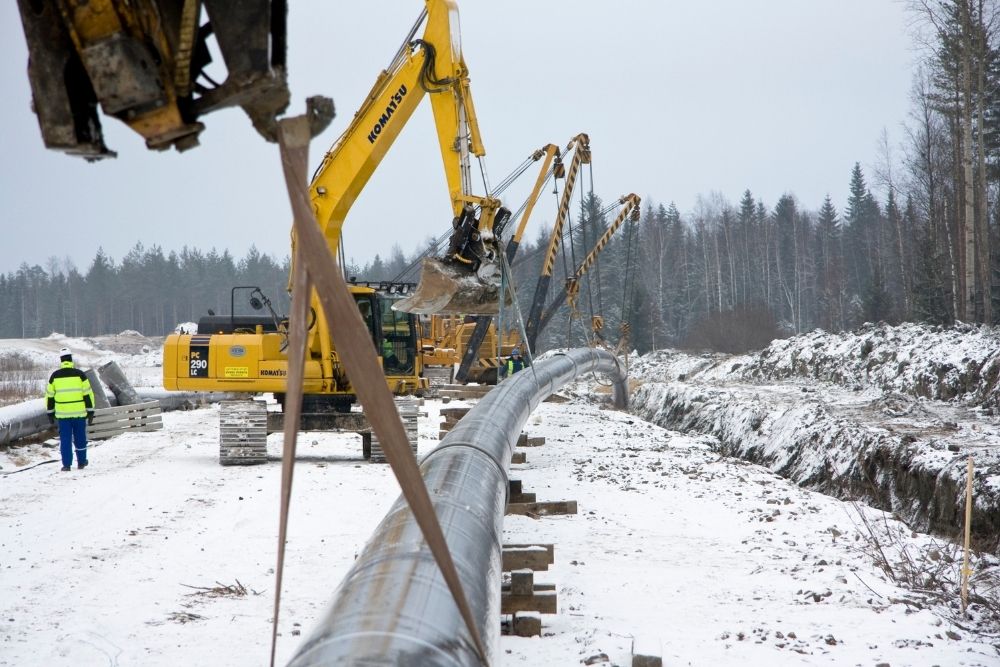
Norway nationalizes major gas pipeline network in $1.64 billion deal
Norway has finalized an agreement to nationalize a significant portion of its gas pipeline network, purchasing stakes from seven private owners for 18.1 billion crowns ($1.64 billion). The deal includes about 9,000 km (5,600 miles) of pipelines, vital subsea supply routes to European countries like Germany, Britain, France…
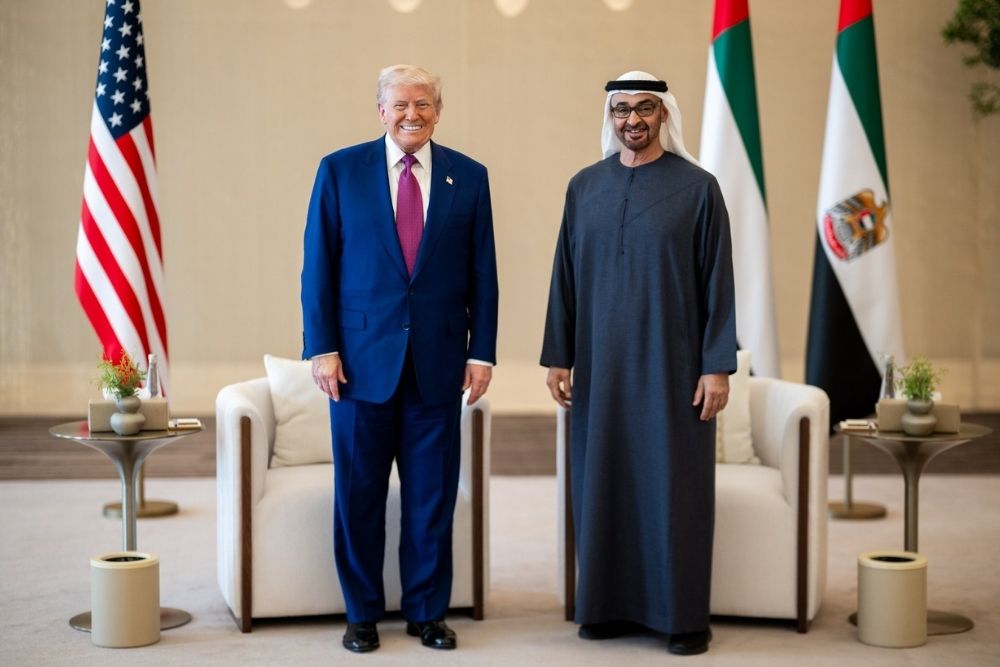
UAE pledges $440 billion in U.S. energy investments, deepening strategic alliance
The United Arab Emirates has unveiled a sweeping plan to raise its energy investments in the United States to $440 billion over the next decade, marking a major expansion of its economic footprint in America and bolstering U.S. President Donald Trump’s efforts to secure deep strategic and commercial partnerships with Gulf states.
The announcement was made by Sultan Al Jaber, CEO of Abu Dhabi National Oil Company (ADNOC) and Minister of Industry and Advanced Technology, during a presentation to President Trump in Abu Dhabi — the final stop of his investment-focused Middle East tour.

Britain announces reforms to accelerate clean energy development
Britain has unveiled a plan to streamline the development of clean energy projects, aiming to accelerate the transition to renewable power, meet climate targets, and create jobs. The initiative addresses longstanding obstacles such as grid connection delays and a complex planning system that have hindered progress on renewable energy expansion…