
Japan’s Sumitomo to invest $12.5 million in Canadian battery materials firm Nano One
- September 26, 2023
- Posted by: Quatro Strategies
- Categories: Americas, Asia Pacific, EVs & Battery Technology, Mining & Metals
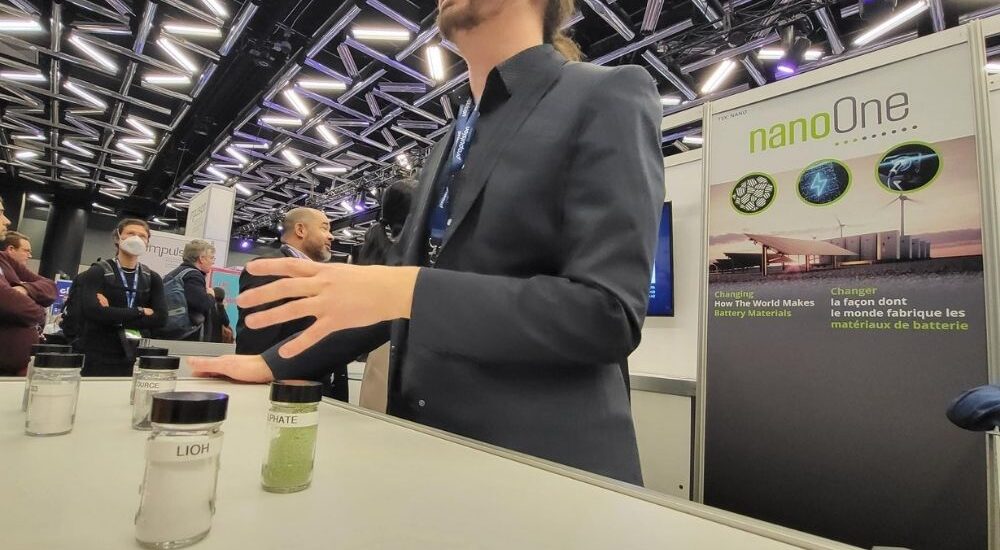
Sumitomo Metal Mining, a prominent Japanese company, has committed a significant investment of $16.9 million into Nano One, a Canadian firm specializing in battery materials. This strategic move is part of Sumitomo Metal Mining’s overarching goal to advance sustainable approaches to the production of lithium-ion batteries, aligning with the burgeoning demand for electric vehicles (EVs) and the need for eco-friendly battery manufacturing methods. The collaboration also outlines plans for joint efforts in developing a production process for battery cathode materials that is both environmentally sound and cost-effective.
Of note, this collaboration comes on the heels of a bilateral agreement between Japan and Canada, highlighting their collective determination to establish sustainable and reliable global battery supply chains. Vancouver-based Nano One has attracted interest from major players in the mining sector, including Rio Tinto, owing to its patented process for the sustainable production of lithium-ion battery materials, specifically for cathodes, which are fundamental to the battery’s electron transfer.
For Nano One, the investment from Sumitomo Metal Mining represents a pivotal moment, marking the first instance where a producer of cathode active materials has made a substantial investment in the Canadian company. Through this investment, Sumitomo Metal Mining will acquire approximately 5% ownership in Nano One, emphasizing their confidence in the potential of this partnership and the technologies being developed.
Sumitomo Metal Mining is an established Tokyo-based entity with an extensive vertical integration approach, involved in mining, refining, and manufacturing cathode active materials (CAM). The company has been proactively expanding its production capacity for cathode materials, illustrating their commitment to scaling up and meeting the growing demand for lithium-ion batteries in the EV market. Their plans outline a progressive increase in annual capacity, aiming to reach 180,000 tonnes by the fiscal year 2030, indicating a substantial growth trajectory.
In the present battery landscape, securing cathode materials, such as lithium, nickel, manganese, and cobalt, entails a complex supply chain. Notably, these materials account for a significant portion of the overall cost of a lithium-ion battery, roughly a quarter. By investing in Nano One and fostering innovative production processes, Sumitomo Metal Mining aims to streamline the cathode material supply chain and drive down costs, ultimately supporting the widespread adoption of EVs.
Furthermore, the global market for cathode elements is predicted to experience substantial growth, with estimates indicating a surge from a $25.9 billion value in 2022 to a projected $52.6 billion by 2027. This underscores the immense market potential and the strategic relevance of investments and innovations in this sector. The collaboration between Sumitomo Metal Mining and Nano One, underpinned by sustainability and cost-efficiency, is poised to significantly impact the battery industry, advancing the trajectory of clean energy solutions and the transition to electric mobility.
QUATRO Strategies International Inc. is the leading business insights and corporate strategy company based in Toronto, Ontario. Through our unique services, we counsel our clients on their key strategic issues, leveraging our deep industry expertise and using analytical rigor to help them make informed decisions to establish a competitive edge in the marketplace.
Interested in learning more?
Sign up for Top Insights Today

Top Insights Today delivers the latest insights straight to your inbox.
You will get daily industry insights on
Oil & Gas, Rare Earths & Commodities, Mining & Metals, EVs & Battery Technology, ESG & Renewable Energy, AI & Semiconductors, Aerospace & Defense, Sanctions & Regulation, Business & Politics.
Read more insights
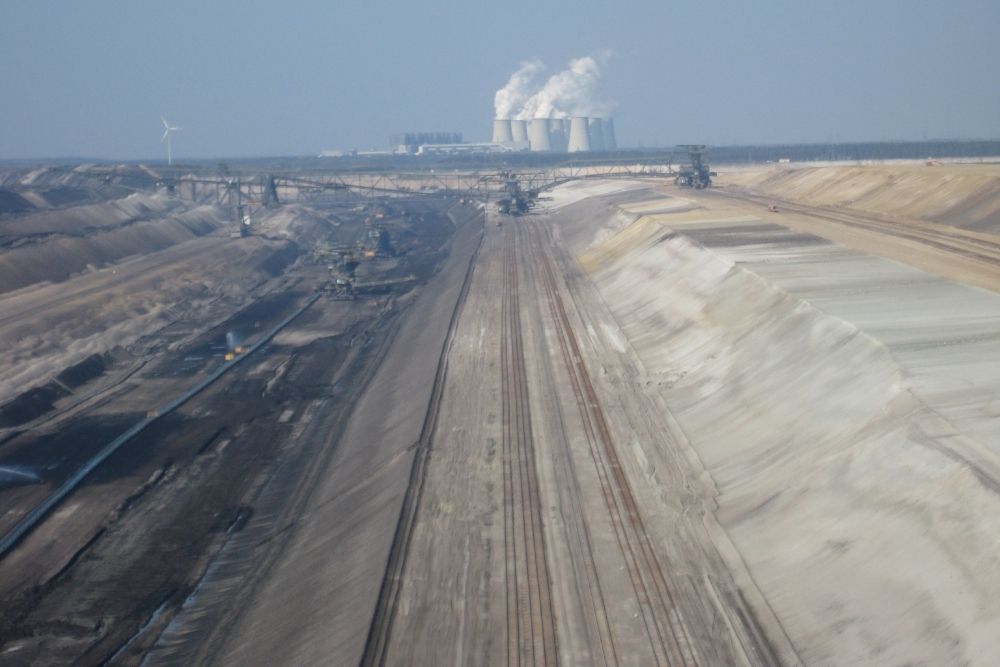
Biden administration allocates $890 million for carbon capture projects
The U.S. Department of Energy has allocated substantial funding, totaling up to $890 million, for projects focused on demonstrating the viability of carbon capture technologies. The selected projects target natural gas and coal plants in Texas, California, and North Dakota, with the aim…
Russian gas output declines as Europe turns away and China hesitates
Russia’s natural gas production continues to shrink in the wake of its deepening isolation from Europe, highlighting the long-term consequences of the Kremlin’s weaponization of energy and the slow pace of Moscow’s pivot to new markets like China and Central Asia.
According to data from Russia’s Federal Statistics Service, the country produced 334.8 billion cubic meters of natural and associated gas in the first half of 2025, a 3.2% year-on-year decline. The shortfall underscores the impact of severed pipeline links with Europe, particularly the halt in gas flows via Ukraine in January, following Kyiv’s decision not to renew its five-year transit deal amid ongoing war.
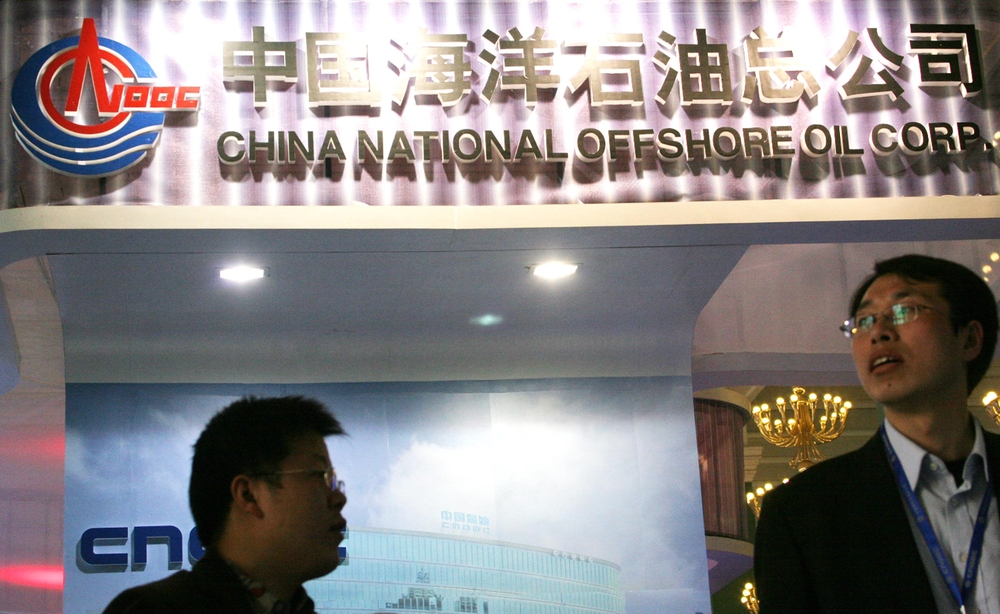
China’s CNOOC, France’s Engie completed yuan-settled LNG trade
Chinese national oil company CNOOC and French energy company Engie have successfully executed a yuan-settled liquefied natural gas (LNG) trade through the Shanghai Petroleum and Natural Gas Exchange. This transaction was conducted on the international LNG trading platform, with…