
Australia’s Fortescue applied to build Canada green hydrogen facility
- September 26, 2023
- Posted by: Quatro Strategies
- Categories: Americas, Asia Pacific, ESG & Renewable Energy
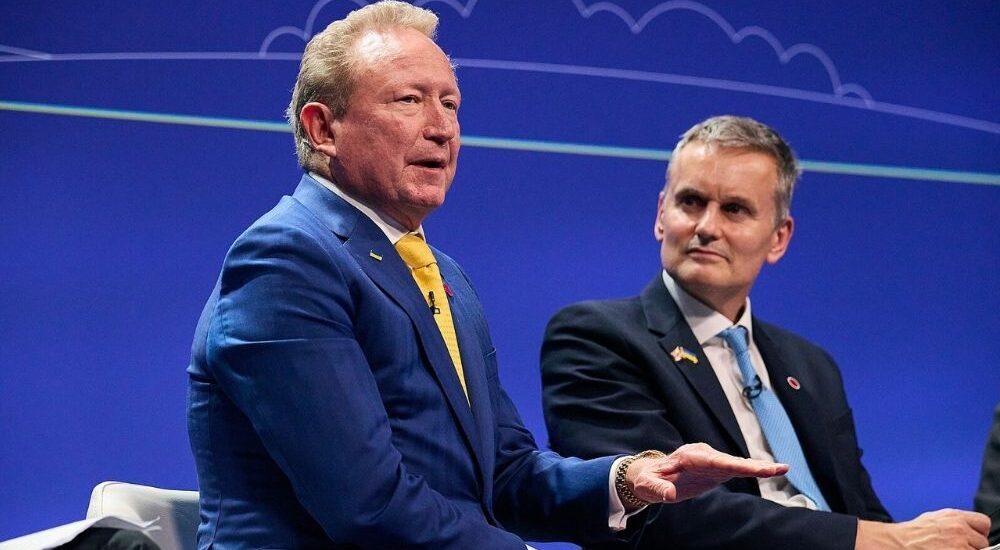
Fortescue Future Industries (FFI) has submitted a proposal for “Project Coyote,” a green hydrogen and ammonia production facility located in the British Columbia province of Canada. This facility, planned at the Willow Cale Industrial Park in Prince George, BC, aims to produce approximately 140,000 tons of hydrogen and 700,000 tons of ammonia annually, catering to both domestic and international markets.
To power the production of green hydrogen through electrolysis, the project will require 1,000 MW of power from BC Hydro. The produced hydrogen will then be processed into green ammonia. Fortescue Future Industries has initiated the environmental approval process as mandated by the provincial government.
Extensive planning and collaboration with local and regional leaders have gone into this project. In late 2021, Fortescue signed agreements with three First Nations groups in Canada, including the Lheidli T’enneh First Nation in British Columbia. These agreements paved the way for planning green hydrogen projects across Canada and included benefit-sharing arrangements.
Andrew Forrest, the billionaire founder of FFI and current Executive Chairman of the parent company Fortescue Metals Group (FMG), personally announced the project proposal during a visit to Prince George. He highlighted the region’s advantages, such as clean air, abundant water, and ample electricity, making it an ideal location for such a facility.
The government of British Columbia had earlier offered funding to the city of Prince George over a two-year period to support its transformation into a regional hub for hydrogen. Recognizing the potential of the hydrogen industry in the region, the provincial government has identified Prince George as a strategic location for advancing hydrogen initiatives.
QUATRO Strategies International Inc. is the leading business insights and corporate strategy company based in Toronto, Ontario. Through our unique services, we counsel our clients on their key strategic issues, leveraging our deep industry expertise and using analytical rigor to help them make informed decisions to establish a competitive edge in the marketplace.
Interested in learning more?
Sign up for Top Insights Today

Top Insights Today delivers the latest insights straight to your inbox.
You will get daily industry insights on
Oil & Gas, Rare Earths & Commodities, Mining & Metals, EVs & Battery Technology, ESG & Renewable Energy, AI & Semiconductors, Aerospace & Defense, Sanctions & Regulation, Business & Politics.
Read more insights
Bornholm hub shifts offshore wind from national projects to shared grid
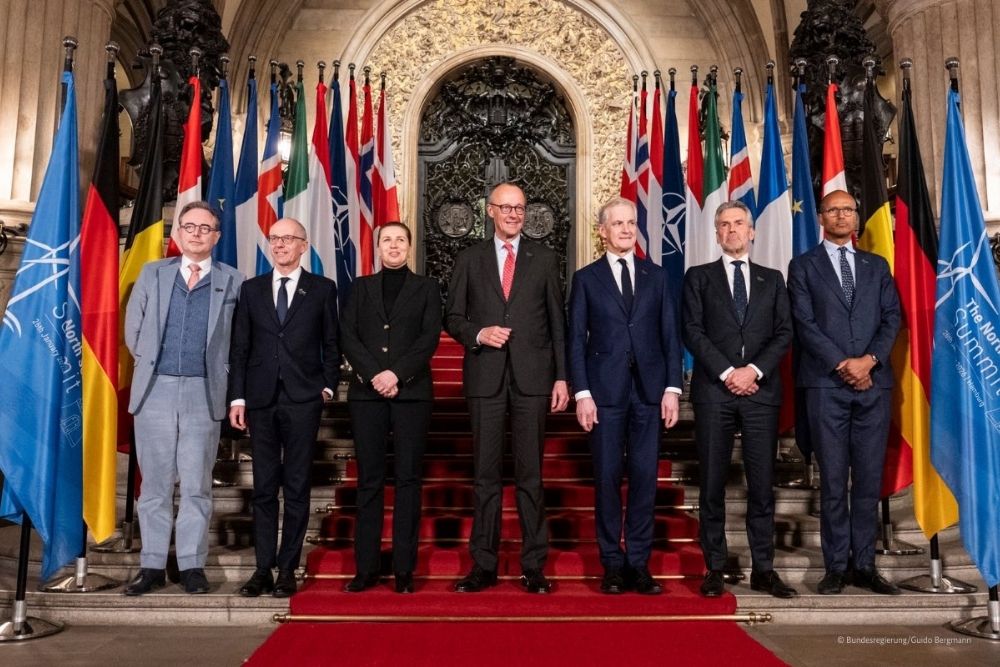
Denmark and Germany have effectively put the Bornholm Energy Island back on the rails by agreeing to move ahead together with the cross-border offshore wind hub, with Danish Prime Minister Mette Frederiksen presenting the decision alongside German Chancellor Friedrich Merz at an energy gathering in Hamburg.
In political terms, the message is that what had become a difficult, cost-heavy infrastructure concept is now being treated as a shared strategic priority rather than a Danish national megaproject that Germany merely benefits from at the margin.
China expands global mining dominance with record $21 billion in investments
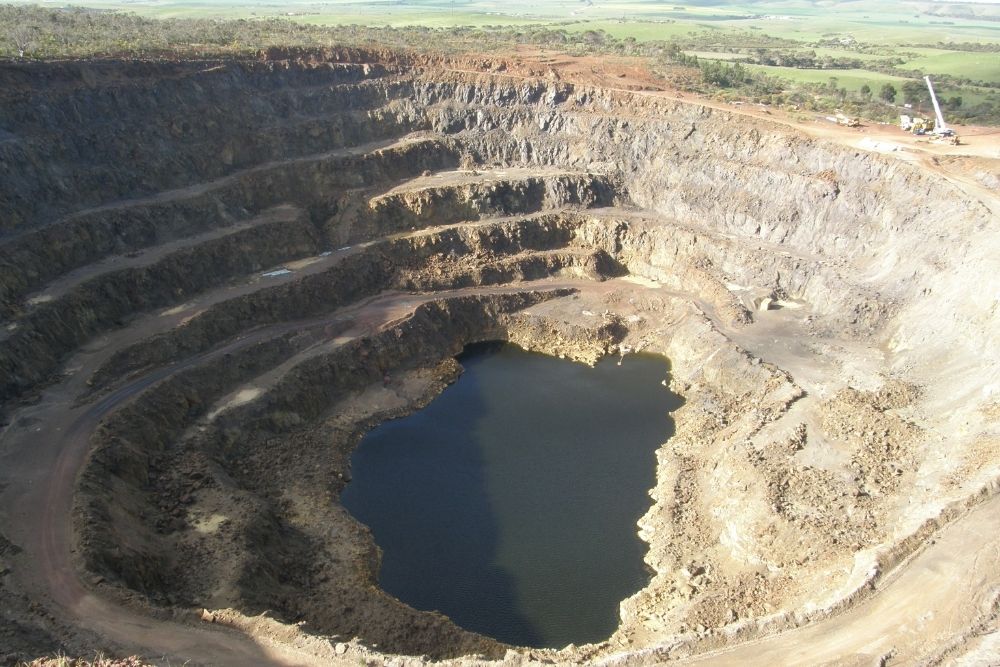
China significantly expanded its global footprint in the mining sector last year, committing over $21 billion to overseas mining projects, the highest level since the launch of President Xi Jinping’s Belt and Road Initiative (BRI) in 2013. A new report highlights China’s growing strategic control over critical minerals, reinforcing concerns in the West about over-reliance on Beijing for key resources.
China’s deepening involvement in the metals and mining industry, through both equity investments and construction contracts, reflects its dominance in global mineral production and refining.
Iran conflict reshapes LNG trade and Asia’s energy plans
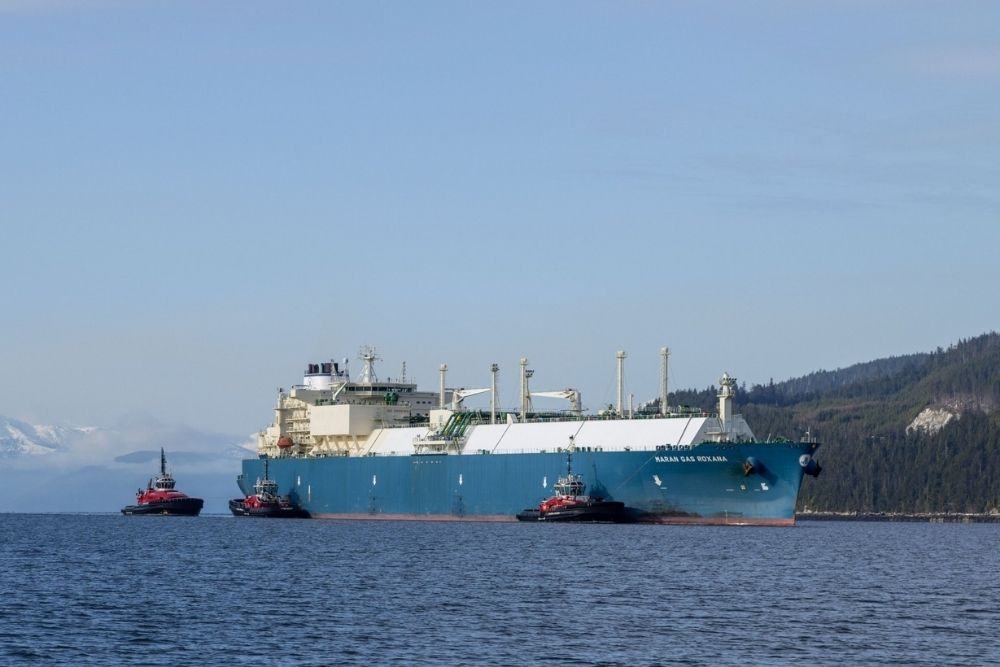
The war involving Iran has abruptly overturned what had been the dominant expectation for the global LNG market in 2026: that a wave of new supply, led by the United States and Qatar, would loosen conditions, moderate prices, and support another leg of demand growth across Asia.
Before the conflict escalated, analysts broadly expected global LNG output to expand substantially this year as new liquefaction capacity came online. That outlook has now been badly damaged by two overlapping shocks: the disruption of tanker traffic through the Strait of Hormuz, which carries about one-fifth of global LNG trade, and physical damage to Qatari export infrastructure that has sidelined a meaningful portion of the country’s liquefaction capacity for years rather than weeks.