
Pakistan set to make first spot LNG purchase in over a year
- October 5, 2023
- Posted by: Quatro Strategies
- Categories: Asia Pacific, Oil & Gas
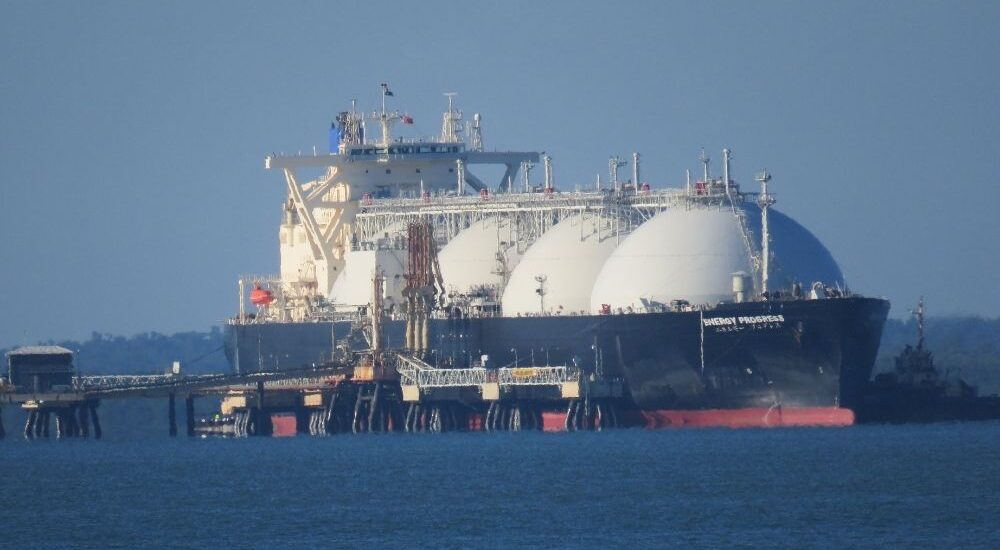
Pakistan LNG Limited (PLL) has made its first spot purchase of liquefied natural gas (LNG) in over a year, awarding a tender to commodities trader Vitol for the delivery of an LNG cargo in December. This move comes at a critical juncture for Pakistan, which is currently grappling with high inflation and a foreign exchange crisis.
Spot purchases of LNG became challenging for Pakistan after Russia’s invasion of Ukraine last year significantly pushed up prices to record highs. The resulting cost surge left the South Asian nation dealing with widespread power outages as it heavily relies on natural gas for power generation.
In Pakistan, natural gas plays a crucial role, accounting for over a third of the country’s power generation. Given the country’s growing electricity demand, LNG imports are vital, especially considering that local gas reserves are inadequate to meet the increasing energy needs.
The recent spot purchase, marking the first in over a year, is a strategic move by Pakistan to address its energy challenges and ensure a steady supply of LNG to support power generation, minimizing the risk of power shortages that could severely impact the population and industries.
The tender issued by PLL sought two spot LNG cargoes for delivery in December, and bids were received from both Vitol and Trafigura. Asian spot LNG prices have been on the rise, reaching $15 per million British thermal units (mmBtu) recently, driven by increased demand in Asia and supply concerns in Europe.
The dynamics of the LNG market, including supply-demand dynamics and geopolitical events, significantly influence LNG prices. For Pakistan, securing LNG through spot purchases at a reasonable price is crucial for ensuring a stable power supply and addressing energy shortages.
QUATRO Strategies International Inc. is the leading business insights and corporate strategy company based in Toronto, Ontario. Through our unique services, we counsel our clients on their key strategic issues, leveraging our deep industry expertise and using analytical rigor to help them make informed decisions to establish a competitive edge in the marketplace.
Interested in learning more?
Sign up for Top Insights Today

Top Insights Today delivers the latest insights straight to your inbox.
You will get daily industry insights on
Oil & Gas, Rare Earths & Commodities, Mining & Metals, EVs & Battery Technology, ESG & Renewable Energy, AI & Semiconductors, Aerospace & Defense, Sanctions & Regulation, Business & Politics.
Read more insights
Saudi Aramco nearing contractor selection for $5 billion Safaniya oilfield expansion
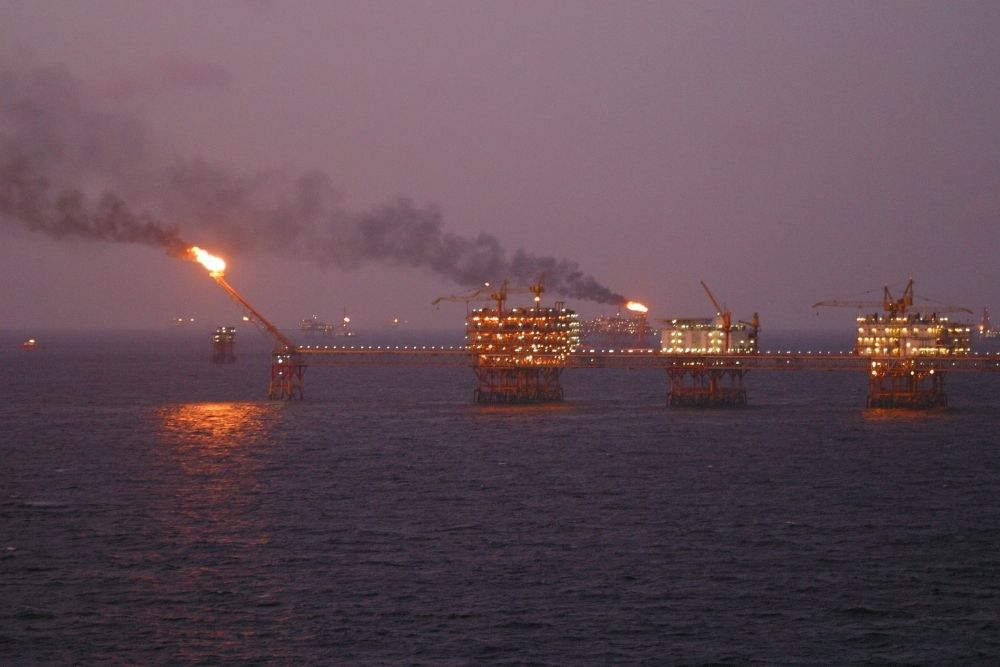
Saudi Aramco, the state-owned oil giant, is nearing the finalization of contractor selection for the expansion of the Safaniya oilfield, considered the world’s largest offshore oilfield. This expansion initiative involves the selection of preferred bidders for two significant onshore engineering…
Qatar plans major expansion of LNG exports amidst temporary halt in US growth projects
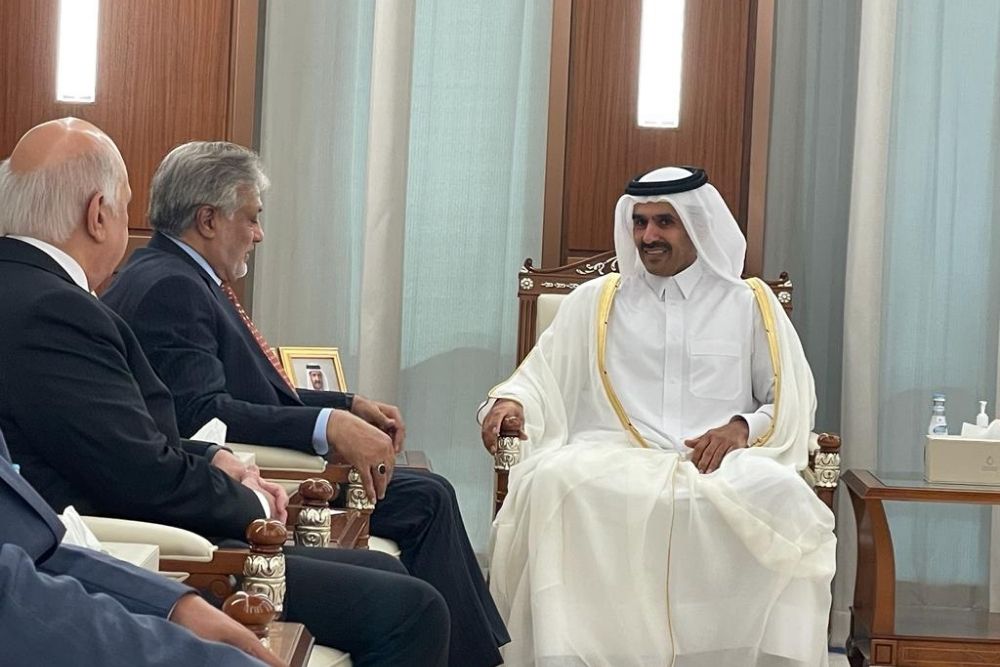
Qatar has unveiled plans to significantly expand its liquefied natural gas (LNG) exports in response to growing global demand and a temporary pause on growth projects in the United States, a major competitor in the LNG market. Saad Al-Kaabi, the country’s Energy Minister, announced on Sunday that…
CMOC, Glencore face July 5 quota forfeiture as DR Congo customs stalls
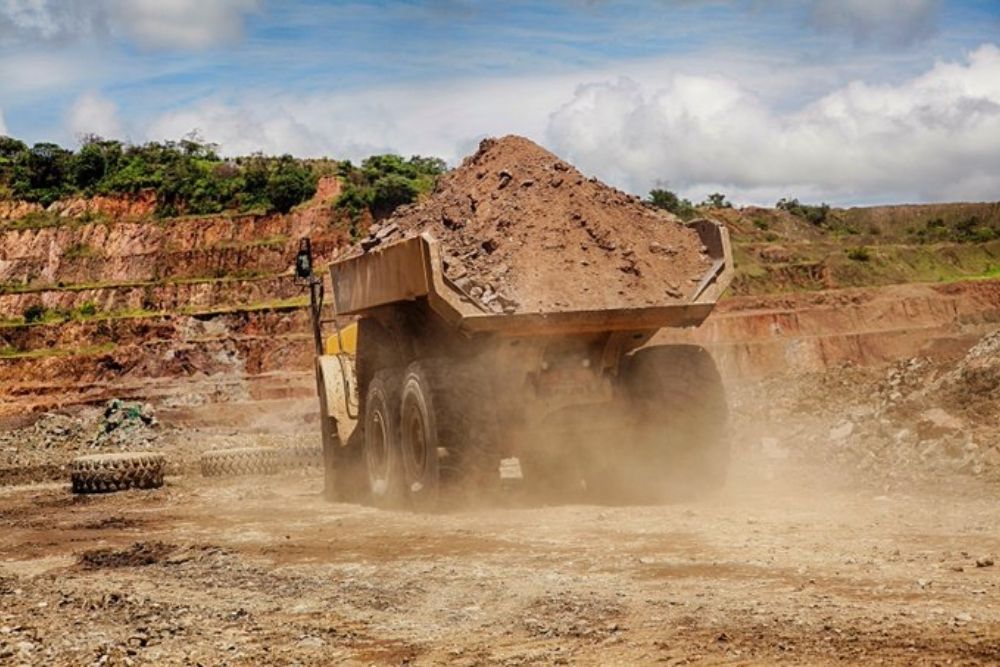
Major cobalt producers in the Democratic Republic of Congo risk losing some of their first-half export quotas due to an administrative glitch on a customs platform, a bureaucratic failure that threatens as much as 20,000 metric tons of missed shipments worth 1.1 billion dollars at current prices and that illustrates the operational hazards that Congo’s increasingly assertive resource nationalism has created for the world’s largest cobalt producers.
The disruption, colliding with the new directives withdrawing the unused quotas by the July 5 deadline, leaves the producers including CMOC and Glencore, the world’s two largest, caught between the regulator’s use-it-or-lose-it enforcement and a customs platform that has refused their export declarations since July 1.