
Ezgi Cansel DemirkanBusiness Development Associate

areas of expertise
- R&D
- Business Development
- Project Management
- Communication
- Client Relations Support
- Identifying Growth Strategies
education
- PGDip, Human Resources Management, National College of Ireland
- BA, American Culture & Literature, Hacettepe University
Ezgi C. Demirkan has an American Culture and Literature BA Degree from Hacettepe University, and holds a PGDip in HRM from the National College of Ireland in Dublin. After graduation, she worked in Consultancy & Mass Media Production companies before joining Quatro Strategies, and Consulting, in 2024 as a Business Development Associate.
Ms. Demirkan is working in the position of a Business Development Associate at QUATRO Strategies International Inc.
Ezgi C. Demirkan highlights their proficiency in data interpretation, quantitative assessment, and strategic planning for business development initiatives. She is fluent in English and Turkish.
Read more Insights & analysis on Ezgi's expertise
-
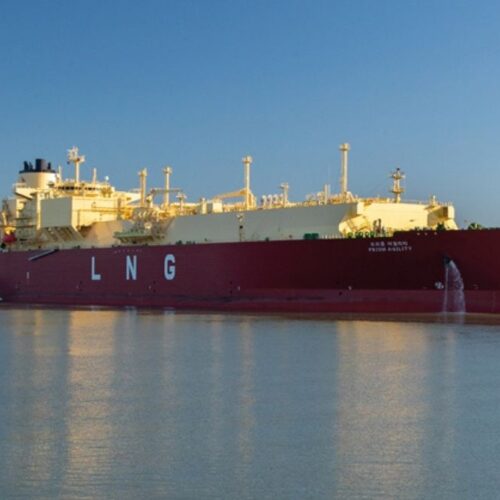
Japan’s return as top LNG importer exposes weakening Asian gas demand
Japan is expected to regain its position as the world’s largest LNG importer in 2026, reflecting a sharper decline in Chinese purchases rather than renewed Japanese demand. The anticipated change highlights a broader challenge for gas exporters: two of their most important customers are finding ways to reduce consumption, while high prices are discouraging purchases that might otherwise support market growth.
Forecasts show Japanese imports of 62 million metric tons this year, narrowly ahead of China’s 61 million. Other estimates put both slightly higher, at 63 million tons for Japan and 62 million for China. Each estimate therefore anticipates a gap of approximately one million tons. These remain forecasts, and changes in weather, industrial activity or year-end purchasing could affect the final ranking.
November 2, 2026 -
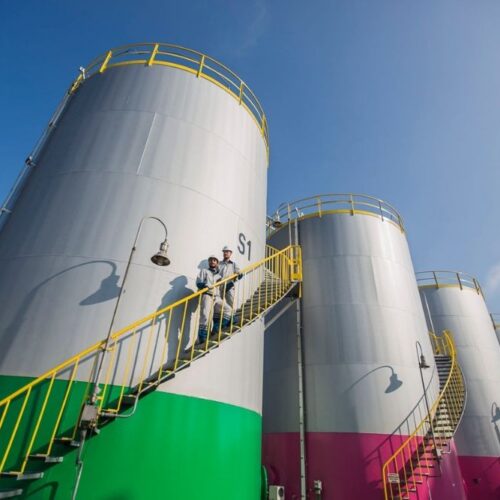
Germany’s gas storage crisis is becoming a test of market regulation
Germany’s unusually low gas reserves are reopening a fundamental debate over energy security: whether commercial suppliers can be relied upon to prepare adequately for winter when storing fuel offers little financial reward. The country has expanded its import options, but the shortfall in underground stocks exposes a gap between the purchasing decisions that make sense for individual companies and the protection that households, industry and the wider economy expect.
Storage facilities were reported to be 61.03% full on November 1, substantially below the national benchmark of roughly 70%. The Federal Network Agency’s November 2 assessment put the figure at approximately 61%, confirming that Germany has entered the heating season with a considerably smaller reserve than in comparable periods of previous years.
November 2, 2026 -
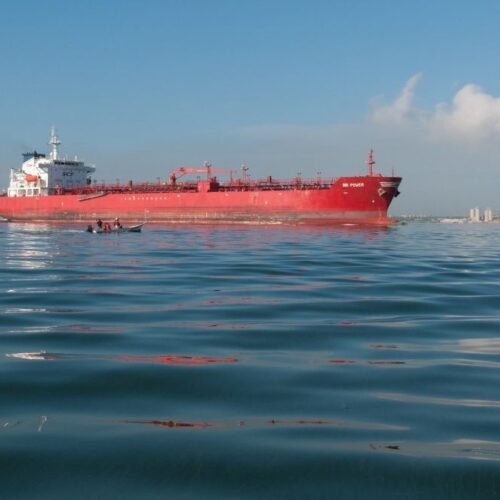
Asia’s crude oil recovery is failing to resolve refined fuel shortage
Asia’s recovery in crude oil imports is revealing a more persistent weakness further along the energy supply chain. Refineries are receiving almost as much crude as before the Iran war, yet imports of finished fuels remain depressed and diesel prices remain exceptionally high. Restoring access to oil has therefore delivered only a partial recovery in the fuels that businesses and households actually consume.
Asian crude arrivals reached 26.39 million barrels per day in October, up from 24.24 million in September. That places imports within approximately 2.3% of the 27 million-barrel daily average recorded during the three months preceding the conflict. Volumes were also 39% above April’s post-war low, demonstrating substantial progress in rebuilding supply routes.
November 2, 2026