
African Union granted permanent membership to the G20
- September 12, 2023
- Posted by: Quatro Strategies
- Categories: Africa, Business & Politics, India
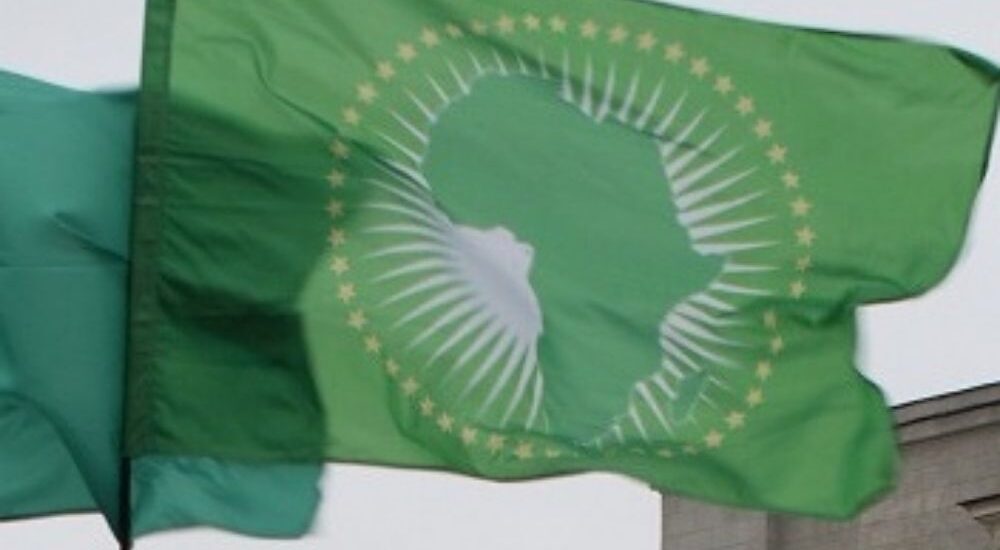
During the G20 summit held in New Delhi, Indian Prime Minister Narendra Modi announced a historic development – the African Union (AU) has been granted permanent membership in the G20. This marks a significant diplomatic achievement for the AU, an organization representing 55 member states from across the African continent. Previously, the AU held the status of an “invited international organization” within the G20 framework. With this change, the AU now shares the same standing as the European Union (EU), which is the only regional bloc with full membership in the G20.
Prime Minister Modi took the opportunity during his opening remarks at the summit to invite the AU, represented by Chairperson Azali Assoumani, to take a permanent seat at the table of G20 leaders. This move is seen as a significant step toward recognizing Africa’s increasing importance in global economic and political affairs.
The decision to include the African Union as a permanent member in the G20 is not only symbolic but also carries practical implications. It strengthens the representation of the Global South within the G20, which is a group composed of the world’s wealthiest and most influential countries. This development is expected to provide the AU with a more prominent platform to address key global issues and advocate for its interests on the international stage.
Prime Minister Modi’s proposal to grant permanent G20 membership to the African Union was initially made in June and was met with anticipation and support from many quarters. It reflects the growing recognition of Africa’s economic potential, demographic significance, and role in shaping the future of global governance.
In addition to the AU’s permanent membership, the G20 summit agenda covered a range of other critical topics. These included discussions on increasing financial support to developing nations through multilateral institutions, reforms in the international debt architecture, regulations concerning cryptocurrencies, and the impact of geopolitical dynamics on global food and energy security.
While the geopolitical situation, particularly the conflict in Ukraine, remains a divisive issue among G20 members, the draft declaration circulated among participating nations indicated broad consensus on many other matters. The G20 originally consisted of 19 countries and the European Union, collectively representing approximately 85% of global GDP, more than 75% of global trade, and around two-thirds of the world’s population. The addition of the African Union as a permanent member further solidifies the G20’s role as a key forum for addressing global challenges and fostering international cooperation.
Interested in learning more?
Sign up for Top Insights Today

Top Insights Today delivers the latest insights straight to your inbox.
You will get daily industry insights on
Oil & Gas, Rare Earths & Commodities, Mining & Metals, EVs & Battery Technology, ESG & Renewable Energy, AI & Semiconductors, Aerospace & Defense, Sanctions & Regulation, Business & Politics.
Read more insights
EU taps France, Germany and Italy to run minerals reserve plan
The European Union is moving from diagnosis to damage-control on critical minerals, and the emerging stockpiling plan is a sign that Brussels increasingly views raw materials the way it once viewed gas storage: as a strategic buffer that can’t be left solely to market timing.
The Commission is pressing ahead with a joint reserves concept and is informally assigning core operational functions to the bloc’s three biggest industrial powers, France to help arrange financing for purchases, Germany to organize sourcing, and Italy to manage storage capacity.
US House to vote on legislation prohibiting import of enriched Russian uranium
Legislation designed to prohibit the import of enriched Russian uranium into the United States is poised for a vote in the House of Representatives. The Prohibiting Russian Uranium Imports Act, introduced by Representative Cathy McMorris Rodgers, has been scheduled for consideration…
EU plans to extend voluntary gas demand cuts to stabilize energy supply
On Tuesday, the European Commission put forth a proposal suggesting that EU member states continue implementing voluntary measures aimed at maintaining a collective 15% reduction in gas demand compared to the five-year average up to March 2022. This move comes as the EU seeks…