
Australia’s Woodside gets approval from Mexico to develop Trion oil project
- August 30, 2023
- Posted by: Quatro Strategies
- Categories: Americas, Asia Pacific, Oil & Gas

Australia’s Woodside Energy has achieved a significant milestone with the approval of the development plan for its Trion deepwater oil project in Mexico. The approval was granted by Mexico’s oil and gas exploration regulator, paving the way for Woodside to advance into the execution phase of the project.
Woodside holds a 60% stake in the Trion project and serves as its operator, while Mexican state-owned oil company PEMEX owns the remaining 40%. The project aims to tap into deepwater oil reserves off the coast of Mexico, with the goal of achieving first oil production by 2028.
Upon receiving approval for the development plan, Woodside CEO Meg O’Neill expressed enthusiasm for progressing the project with its contractors. This development plan approval allows the company to move forward with the necessary preparations for the project’s execution.
The Trion project was inherited by Woodside in June of the previous year from BHP Group, the world’s largest listed mining company. BHP initially intended to make a final investment decision on the project in 2020. However, due to rising costs and other factors, this decision was delayed, and Woodside took over the project as part of its ongoing growth strategy.
Woodside estimates its share of the capital expenditure for the project to be approximately $4.8 billion, while PEMEX is expected to cover the remaining costs. The project is forecasted to have a peak production rate of 110,000 barrels per day by 2028, and the total extraction of crude is projected to reach 434 million barrels over the contracted period until 2052.
Despite its progress in the Trion project, Woodside has faced criticism from environmental activists and investors concerned about the company’s commitment to climate goals and its investment in oil and gas projects. This has sparked broader discussions about the energy transition and the role of oil and gas companies in a changing global energy landscape.
Interested in learning more?
Sign up for Top Insights Today

Top Insights Today delivers the latest insights straight to your inbox.
You will get daily industry insights on
Oil & Gas, Rare Earths & Commodities, Mining & Metals, EVs & Battery Technology, ESG & Renewable Energy, AI & Semiconductors, Aerospace & Defense, Sanctions & Regulation, Business & Politics.
Read more insights

China’s manufacturing boost could lead to overcapacity, cheap exports
China’s strategic focus on upgrading its manufacturing sector, particularly in high-tech domains like semiconductors and electric vehicles (EVs), is sparking concerns about potential overcapacity and a subsequent increase in cheap exports. According to lending data from China’s…

Equinor partners with Oceanex for major offshore wind venture in Australia
The Australian government has granted a feasibility study license to Norwegian energy giant Equinor and Oceanex Energy to explore the potential development of an offshore wind farm off the east coast near Newcastle, New South Wales. This project, known as the Novocastrian Wind project, would be situated more than…
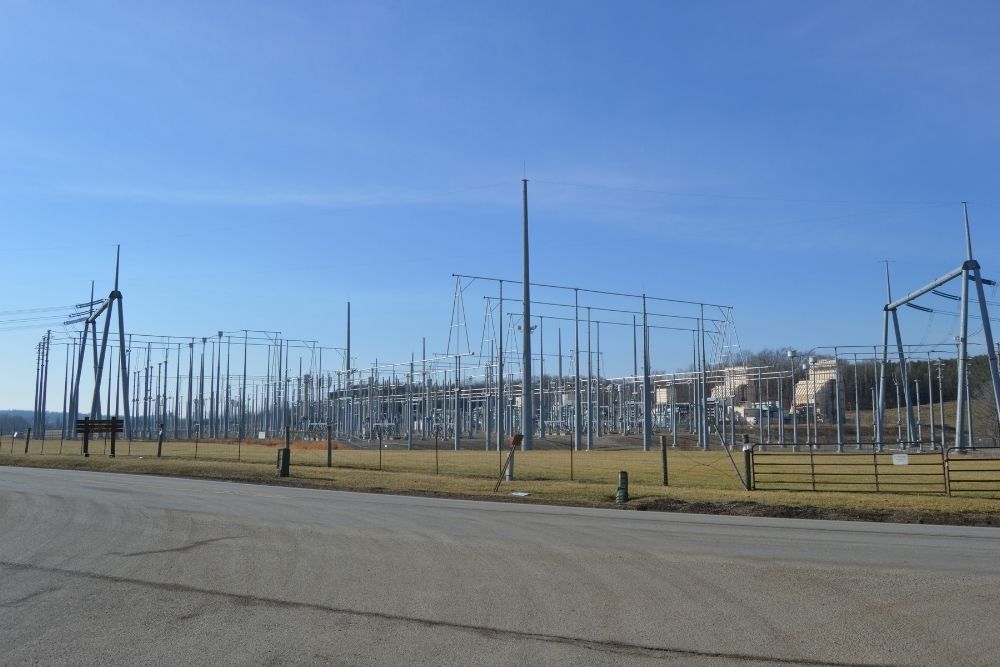
Grid Tech market is quietly turning into a multi-decade super-cycle
Investors have spent the past two years obsessing over AI chips and data center landlords, but quietly, a different part of the energy system has begun to rerate: the grid. Companies that make the hardware and software needed to move, condition and store electricity have rallied strongly this year, yet a growing number of big funds think this is the start of a long investment cycle rather than the late stages of a bubble.
The core argument is simple: electricity demand is structurally rising, existing grids are structurally underbuilt, and the fixes from transformers and inverters to batteries and control software can’t be deferred much longer.