
Brazil’s Vale to build Middle East mega hubs to make low-carbon iron products
- September 6, 2023
- Posted by: Quatro Strategies
- Categories: Americas, ESG & Renewable Energy, Middle East, Mining & Metals
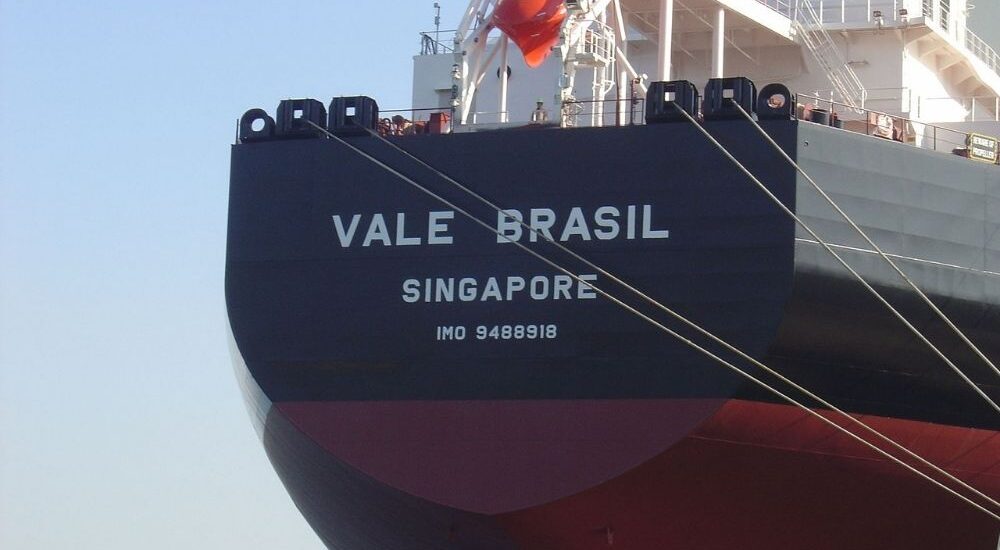
Brazilian mining giant Vale SA is embarking on an ambitious project to create “mega hubs” in Middle Eastern countries. These hubs, which will specialize in producing low-carbon iron ore products for the steel industry, are set to begin construction next year. Vale had previously revealed plans to establish these facilities in Saudi Arabia, Oman, and the United Arab Emirates.
The focal point of these mega hubs will be the production of hot iron ore briquettes, which are designed to serve both local and global markets. The overarching goal of this initiative is to align with global efforts to reduce greenhouse gas emissions from the steel sector. The adoption of iron ore briquettes as an alternative to traditional raw materials represents a significant step toward achieving this environmental objective.
While Vale has not disclosed the exact investment figures for these projects, it’s clear that this endeavor underscores the company’s commitment to sustainable mining practices. As environmental concerns continue to take center stage on the global agenda, Vale is positioning itself to meet the rising demand for eco-friendly materials in the steel production process.
In terms of the project’s logistics, Vale will be responsible for building and operating iron ore concentration and briquetting plants within these mega hubs. Concurrently, local partners will play a pivotal role in developing the essential infrastructure needed to support these operations.
By taking these bold steps, Vale aims not only to strengthen its presence in the Middle East but also to emerge as a leader in sustainable mining and the production of environmentally responsible steelmaking materials. As the steel industry seeks to reduce its carbon footprint, Vale’s forward-looking approach positions it to be a key player in this transformative process.
Interested in learning more?
Sign up for Top Insights Today

Top Insights Today delivers the latest insights straight to your inbox.
You will get daily industry insights on
Oil & Gas, Rare Earths & Commodities, Mining & Metals, EVs & Battery Technology, ESG & Renewable Energy, AI & Semiconductors, Aerospace & Defense, Sanctions & Regulation, Business & Politics.
Read more insights
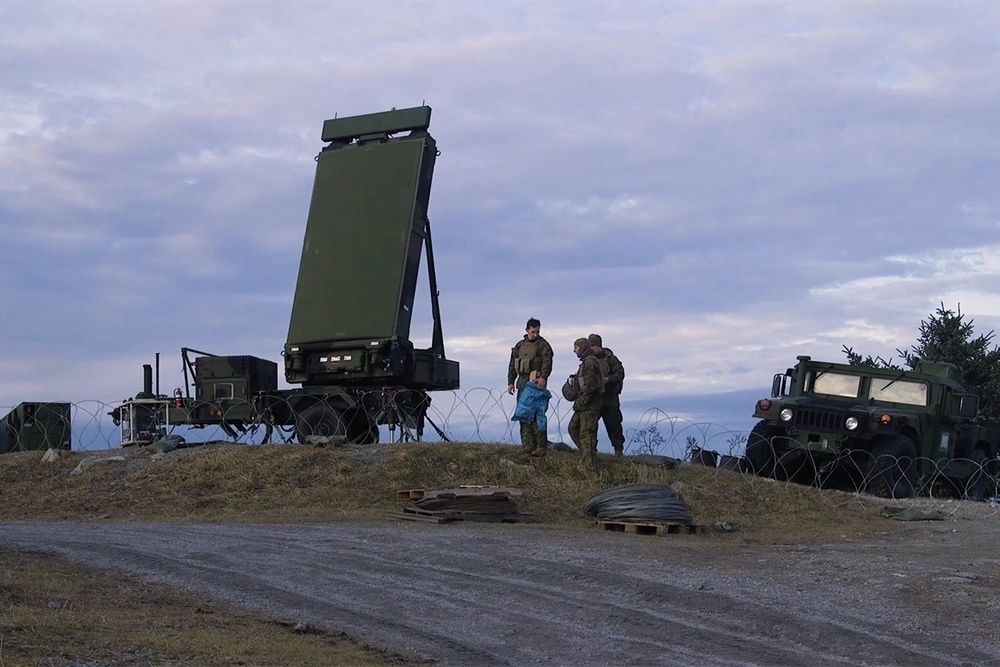
India eyes critical mineral reserve for defense supply security
India is moving toward the creation of a strategic reserve of critical minerals, a step that underscores how resource security is now becoming as central to defense planning as traditional weapons procurement. The proposed stockpile would be intended for emergency use, ensuring that the country can meet urgent requirements in defense manufacturing even if global supply chains are disrupted.
This marks the first time New Delhi has openly acknowledged such a plan, reflecting how geopolitical uncertainty and resource weaponization are reshaping national security strategies worldwide. The rationale is clear: modern military platforms; missiles, aircraft, radars, naval systems, depend heavily on critical minerals, particularly rare earths, without which their production can stall.
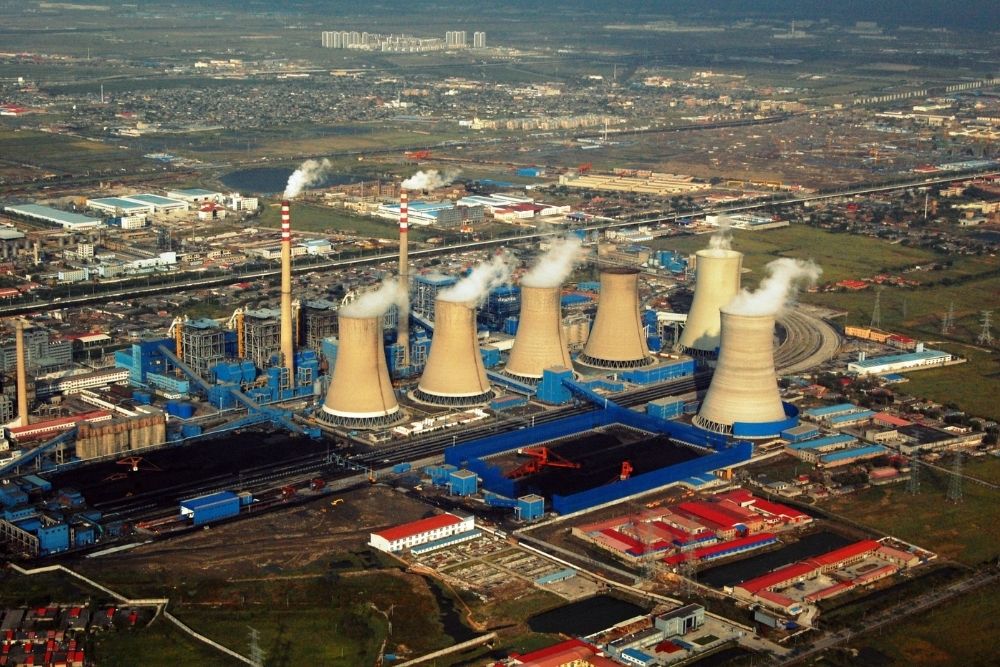
Surge in coal-fired power plant approvals contradict China’s climate pledge
Despite China’s commitment to reducing coal use, the surge in approvals for new coal-fired plants in recent years has raised doubts about the nation’s dedication to phasing out the fossil fuel. Yulin, situated in southern China, is home to the site of a planned 700 megawatt power plant…

Middle-income trap threatens China as property sector crisis imperils growth
China is currently facing a multifaceted economic challenge marked by a growing crisis of confidence that has significant implications for its long-term economic potential. Despite the overall economic growth of 5.2% in the previous year, the country is grappling with a range of issues that collectively…