
BRICS admits six new members to the bloc
- August 25, 2023
- Posted by: Quatro Strategies
- Category: Business & Politics
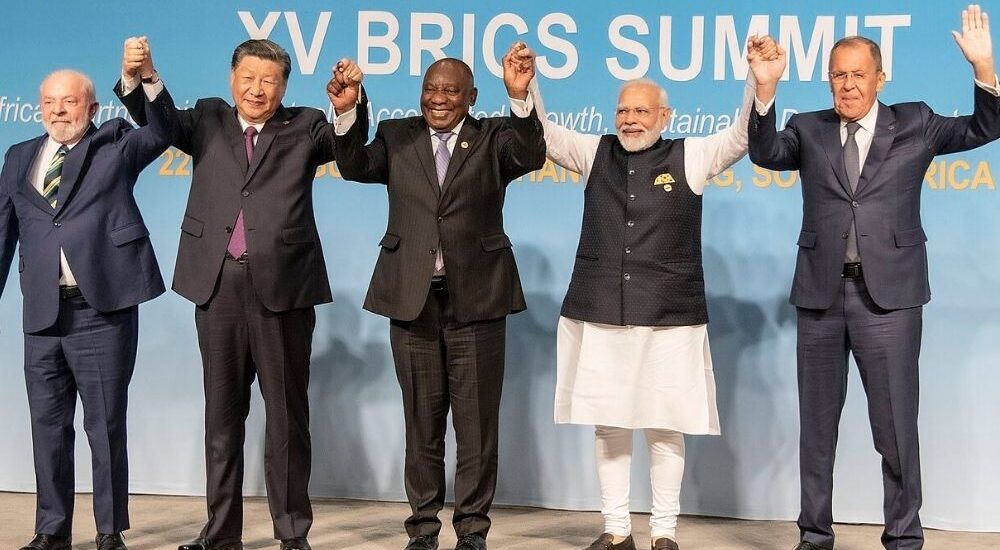
The BRICS bloc, consisting of Brazil, Russia, India, China, and South Africa, has made the historic decision to admit six new member countries: Saudi Arabia, Iran, Ethiopia, Egypt, Argentina, and the United Arab Emirates (UAE). This expansion marks the first in 13 years for the BRICS group, signaling a renewed effort to reshape the global order that is perceived as outdated.
The addition of these new members brings greater economic strength to BRICS, enhancing its position as a significant global player. The move is seen as part of BRICS’ aim to level the playing field on a global scale. This expansion is not expected to be the last, as numerous other countries have expressed interest in joining BRICS, underscoring its growing importance on the world stage.
BRICS was originally an informal four-nation club founded in 2009, which added South Africa in 2010. The six new member countries are set to formally become part of BRICS on January 1, 2024. The expansion is intended to usher in a new phase of collaboration, with the BRICS leaders emphasizing a vision of fairness, justice, inclusivity, and prosperity.
The choice of new member countries reflects the existing BRICS members’ desires to strengthen alliances. For example, Brazilian President Luiz Inacio Lula da Silva advocated for Argentina’s inclusion, while Egypt’s close commercial ties with Russia and India played a role in its invitation. The entry of oil-rich nations Saudi Arabia and the UAE aligns with their aspirations to establish themselves as global heavyweights and reduce dependence on the United States.
Tensions could arise within the expanded BRICS group due to differing interests among member countries. While some members, like China, Russia, and Iran, seek to counterbalance Western influence, others maintain close ties to the United States and Europe. China’s President Xi Jinping emphasized unity and cooperation among BRICS countries, but challenges are expected as the group attempts to navigate diverse foreign policy goals and varying scales of economies.
The expansion announcement was attended by United Nations Secretary-General Antonio Guterres, highlighting the growing influence of BRICS. Guterres echoed BRICS’ call for reforms of global governance structures such as the United Nations Security Council, International Monetary Fund, and World Bank to better reflect the contemporary global landscape.
Despite its lofty ambitions, BRICS has faced criticism for not fully realizing its potential. Internal divisions and differing economic scales among member countries have hindered its progress. While the expansion underscores a desire for greater influence, BRICS will need to navigate challenges and differing priorities as it works toward a more multipolar world order.
Interested in learning more?
Sign up for Top Insights Today

Top Insights Today delivers the latest insights straight to your inbox.
You will get daily industry insights on
Oil & Gas, Rare Earths & Commodities, Mining & Metals, EVs & Battery Technology, ESG & Renewable Energy, AI & Semiconductors, Aerospace & Defense, Sanctions & Regulation, Business & Politics.
Read more insights
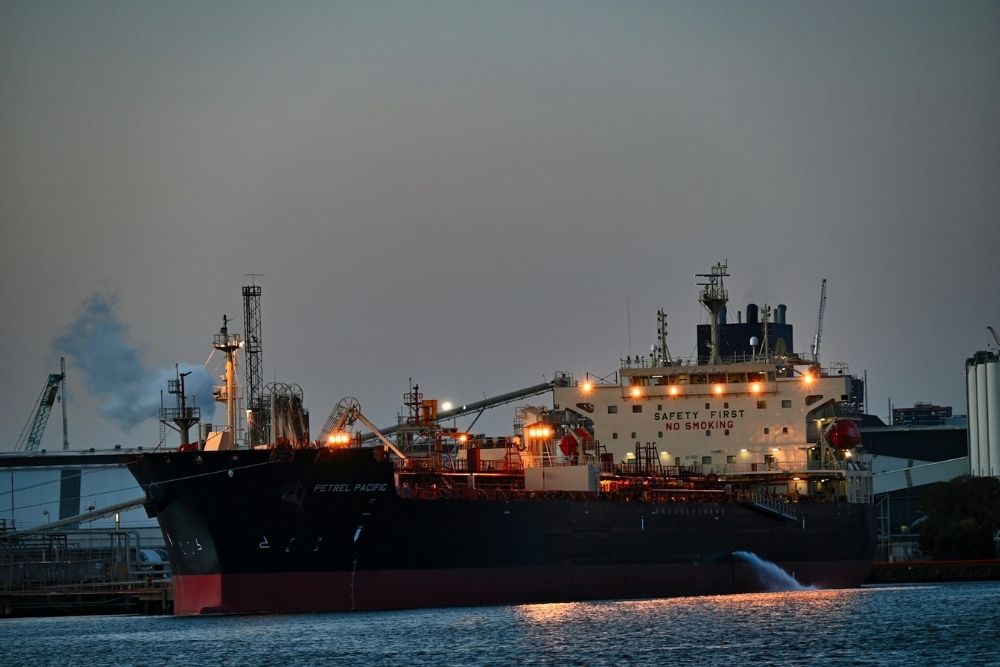
EU implements shipment-level tracing to stop Russian crude returning as diesel
Brussels is tightening the screws on “shadow” Russian barrels by going after refined products, not just crude. From January 21, any diesel, jet, gasoline or other fuel entering the EU must be backed by documentary proof that the underlying crude wasn’t Russian. It’s a shift from broad embargoes to transaction-level policing, and it moves the compliance burden squarely onto importers.
The Commission is telling buyers to hardwire origin guarantees into their contracts so liability can be pushed upstream if a shipment is later found to be tainted. In practice, that means customs officers will expect refinery attestations, run logs and other evidence that trace the crude slate feeding a given cargo, especially when the fuel comes from hubs still buying Russian oil.
Trump’s tariff moves add fuel to global logistics gridlock
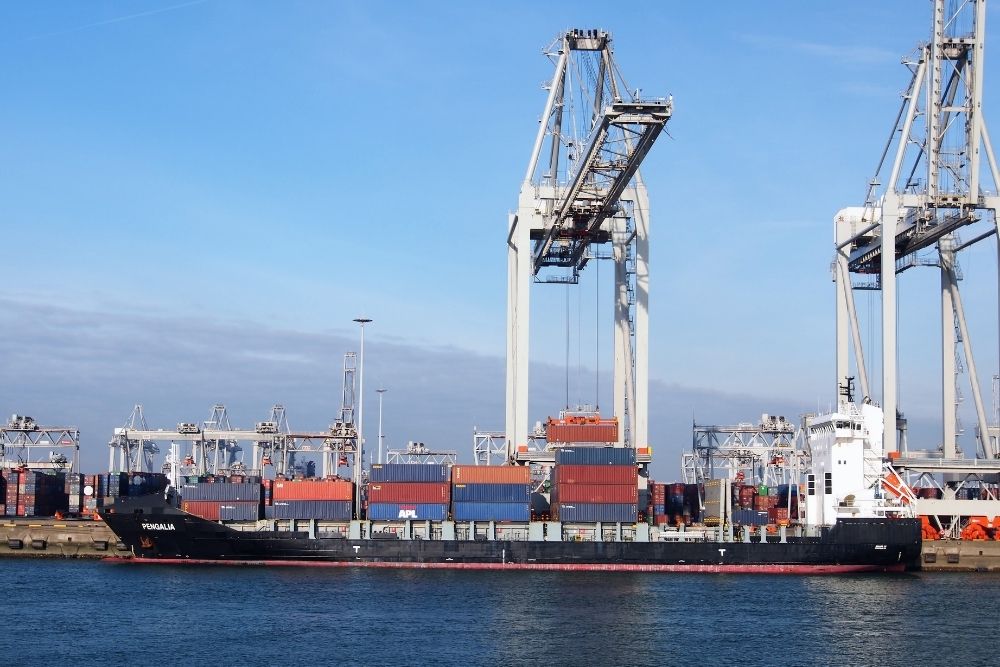
Port congestion across Northern Europe and key global trade gateways is intensifying, driven by a volatile mix of labor constraints, climate-related logistical issues, and trade policy uncertainty—with the impact increasingly rippling across global supply chains.
Waiting times for berths surged between late March and mid-May in some of Europe’s busiest ports. Germany’s Bremerhaven recorded a 77% increase in ship wait times, while Hamburg and Antwerp saw jumps of 49% and 37% respectively. Congestion also worsened at Rotterdam and Felixstowe, the UK’s largest container port.
Argentina eyes copper boom but faces infrastructure mountain to climb
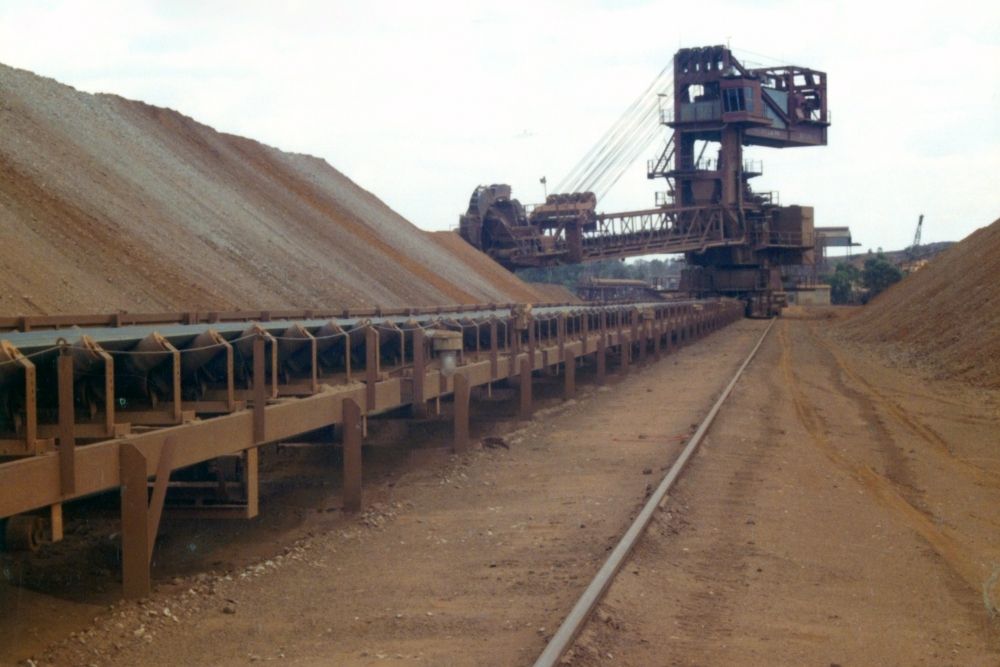
Argentina is sitting on some of the world’s most promising untapped copper reserves, concentrated in the high-altitude provinces bordering Chile, yet it remains far behind its Andean neighbor in building the infrastructure needed to turn these deposits into revenue.
While Chile has spent decades constructing the power lines, roads, and logistical systems that underpin its mining dominance, Argentina’s sector is hamstrung by decades of underinvestment, a problem now compounded by President Javier Milei’s aggressive austerity measures aimed at curbing inflation and debt. For Buenos Aires, the challenge is finding ways to finance mining-related infrastructure without stretching an already strained public budget.