
China initiates new naval exercises near Taiwan
- August 19, 2023
- Posted by: Quatro Strategies
- Categories: Aerospace & Defense, Asia Pacific, China
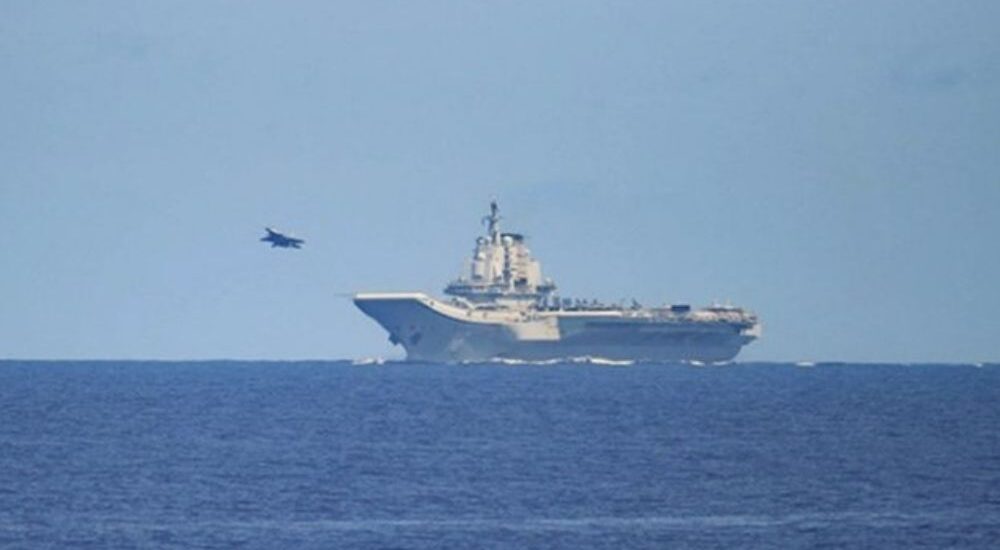
China has initiated military drills near Taiwan in what it calls a “serious warning” to separatist forces, responding to Taiwan’s Vice President William Lai’s recent visit to the United States. This move exacerbates the longstanding tensions between China and Taiwan, as China views Taiwan as its own territory and has consistently opposed any moves toward independence.
Vice President Lai’s visit to the United States included stopovers in Paraguay, during which he gave speeches that Beijing viewed as provocative. China’s military exercises are widely seen as a response to his actions, intended to send a signal to Taiwan’s leadership about China’s determination to prevent any push for independence.
The People’s Liberation Army’s Eastern Theatre Command announced the military drills, stating that they involve joint naval and air combat readiness patrols around Taiwan. Taiwan’s defense ministry confirmed the presence of 42 Chinese aircraft and eight ships engaged in the drills. These exercises are seen as a demonstration of China’s military capabilities and a way to assert its dominance in the region.
The drills involved 26 Chinese aircraft crossing the unofficial median line of the Taiwan Strait, which has traditionally served as a boundary between the two militaries. This crossing is seen as a direct challenge to Taiwan’s territorial integrity and sovereignty.
China’s military stated that the exercises aim to test the “actual combat capabilities” of its naval and air forces and to send a strong message against Taiwan’s moves toward independence and any cooperation with external forces. Taiwan’s government, on the other hand, condemned the drills and affirmed its determination to defend its national security.
The United States, which has long been a supporter of Taiwan’s defense capabilities, closely monitors such military activities in the region. These developments further underscore the complex and delicate geopolitical situation between China, Taiwan, and the United States, as well as the potential for heightened tensions in the Asia-Pacific region.
Interested in learning more?
Sign up for Top Insights Today

Top Insights Today delivers the latest insights straight to your inbox.
You will get daily industry insights on
Oil & Gas, Rare Earths & Commodities, Mining & Metals, EVs & Battery Technology, ESG & Renewable Energy, AI & Semiconductors, Aerospace & Defense, Sanctions & Regulation, Business & Politics.
Read more insights
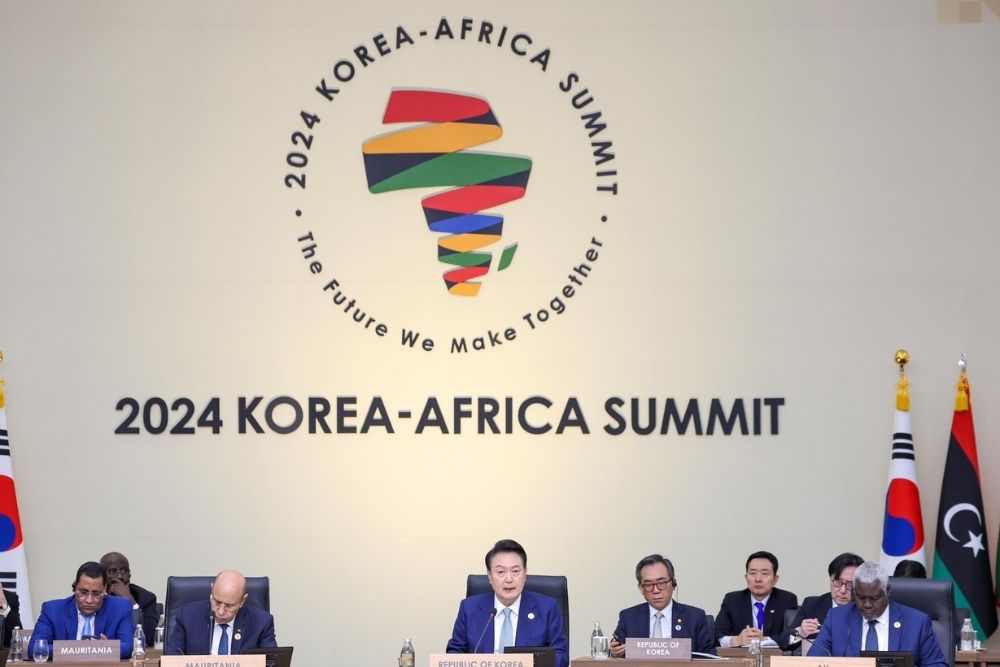
South Korea unveils $10 billion aid package, critical minerals dialogue at Africa Summit
South Korean President Yoon Suk Yeol and leaders from African nations convened on Tuesday to bolster trade and business cooperation, launching a “critical minerals dialogue” aimed at sustainable development of Africa’s resources. In a landmark summit involving leaders from 48 African nations, Yoon pledged…

Italy, France sign deal to enhance European defense industry collaboration
Italy and France are taking steps to bolster their collaboration in the defense sector by establishing a joint industrial hub for ground defense. This initiative aims to harness the expertise and capabilities of companies from both countries to enhance the European defense industry…
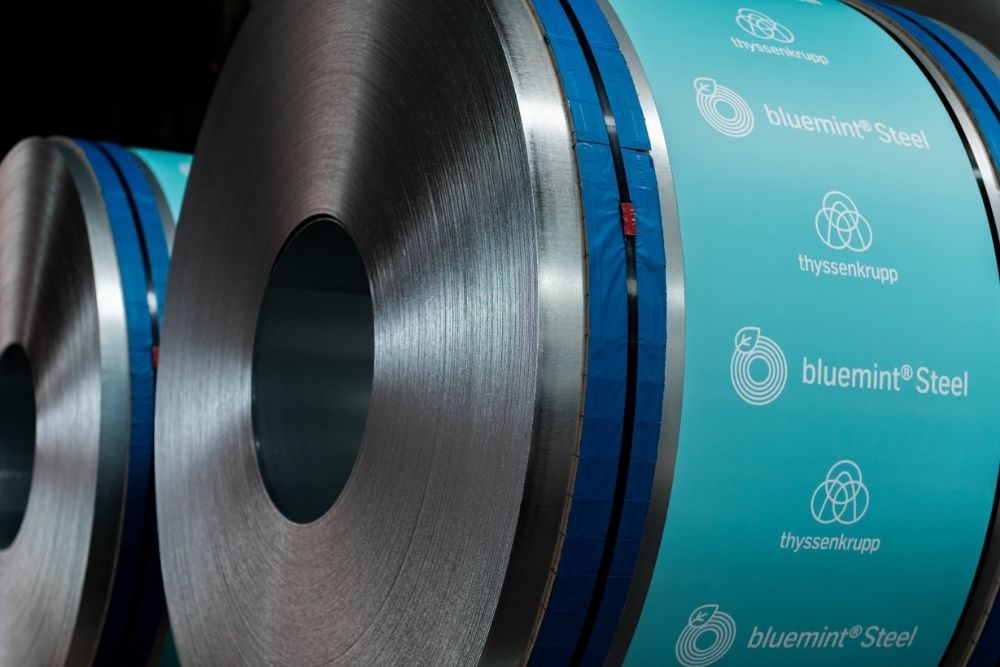
ThyssenKrupp forms 50/50 venture with EP Corporate Group in steel manufacturing
ThyssenKrupp has revealed plans for a joint venture with EP Corporate Group and ThyssenKrupp Steel (TKS), forming a 50/50 steel manufacturing venture. Following EP’s initial acquisition of a 20% stake in TKS, discussions are underway for the potential sale of an additional 30% stake, although a timeline for this…