
China’s CATL introduces new fast-charging LFP battery
- August 19, 2023
- Posted by: Quatro Strategies
- Categories: China, EVs & Battery Technology
Chinese battery manufacturer CATL (Contemporary Amperex Technology Co. Ltd) has introduced a new fast charging lithium iron phosphate (LFP) battery named Shenxing, capable of running 400 km (248 miles) on just a 10-minute charge. The company plans to begin mass production of this new battery by the end of the year, with electric vehicles (EVs) equipped with Shenxing batteries expected to hit the market in the first quarter of 2024.
CATL’s Chief Technology Officer of E-Car Business, Gao Han, mentioned that the company’s goal is for Shenxing to become a standard product available for a wide range of electric vehicles. This new battery technology could significantly reduce charging times and make EVs more practical for longer trips.
CATL has been a major player in the battery industry and is a supplier to various automakers, including Tesla. However, the company has been facing challenges in maintaining its market leadership due to weakening demand and cost pressures in the EV industry. The rise of competitors like BYD and the trend of some automakers sourcing batteries from smaller suppliers to reduce costs have affected CATL’s market share.
This move by CATL to introduce a fast charging LFP battery could help the company regain its edge in the competitive battery market and meet the growing demand for more efficient and faster-charging EVs.
Interested in learning more?
Sign up for Top Insights Today

Top Insights Today delivers the latest insights straight to your inbox.
You will get daily industry insights on
Oil & Gas, Rare Earths & Commodities, Mining & Metals, EVs & Battery Technology, ESG & Renewable Energy, AI & Semiconductors, Aerospace & Defense, Sanctions & Regulation, Business & Politics.
Read more insights
China’s green steel plans collide with industrial reality
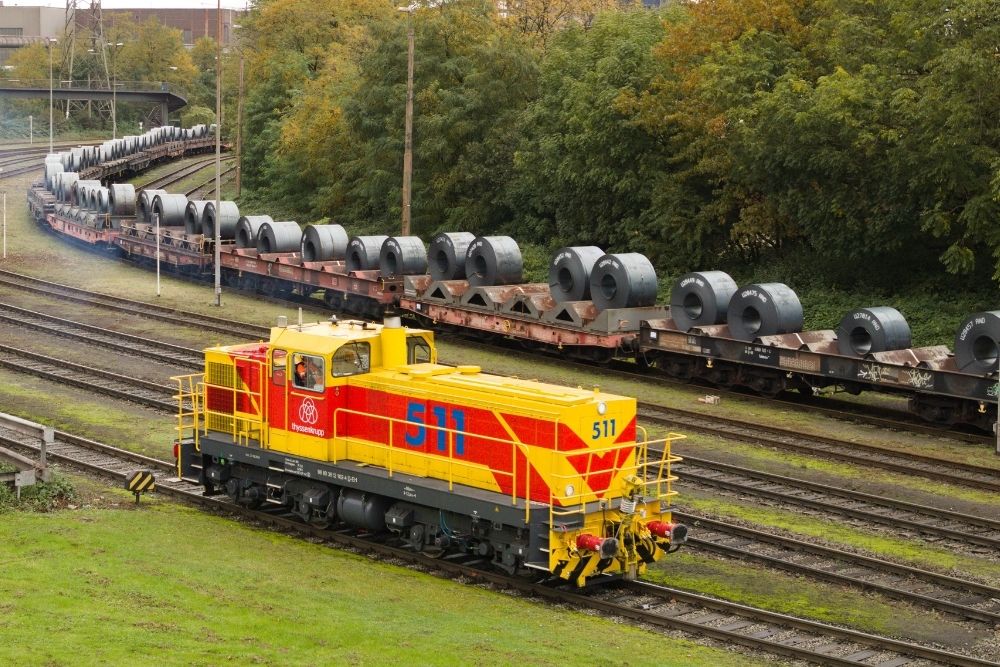
China’s steel sector, once the unassailable engine of its industrial ascent, is now revealing deep contradictions in its green transition plans. Production has been steadily slipping, down almost 3% year-on-year in the first eight months of 2025, and more than 8% off its 2021 peak, as the economy pivots away from the property-driven construction frenzy that long underpinned steel demand. For the first time since 2019, output could fall below one billion metric tons.
On the surface, this should be a victory for global climate goals: steelmaking accounts for about 5% of total global carbon emissions, and China produces over half the world’s supply. Yet rather than accelerating decarbonization, the downturn has paradoxically reinforced the dominance of the country’s dirtiest blast furnaces while leaving cleaner electric arc furnaces (EAFs) idle, a troubling reversal for the world’s largest emitter just as its industrial structure evolves.
US Treasury Secretary Yellen issues warning to China over excess industrial capacity
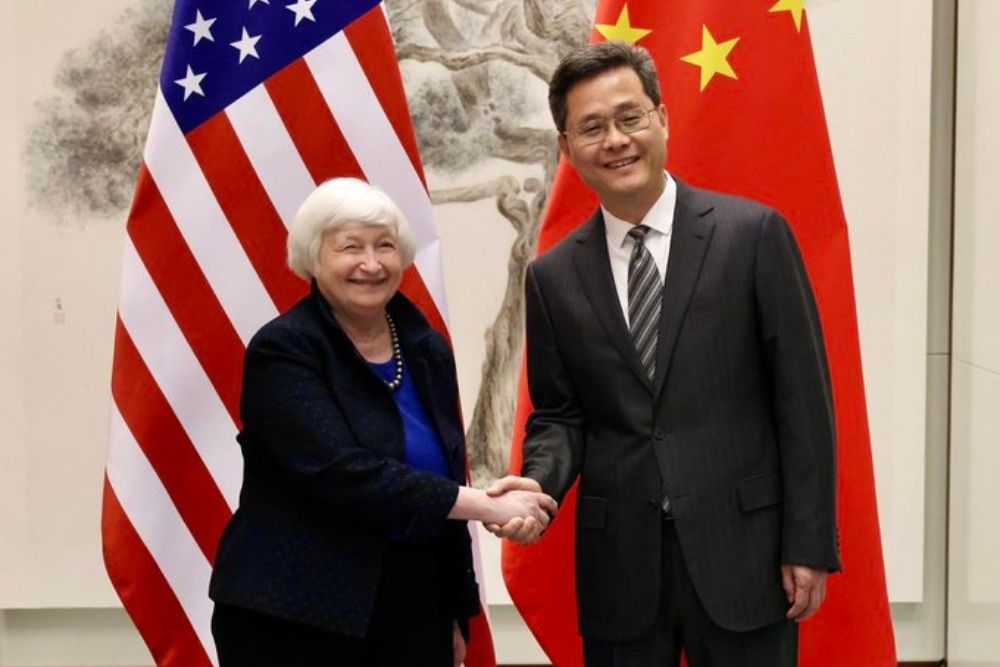
U.S. Treasury Secretary Janet Yellen issued a warning to China, stating that the United States will not tolerate new industries being devastated by Chinese imports. Yellen’s remarks came at the conclusion of four days of meetings aimed at urging Beijing to address excessive industrial capacity…

India’s manufacturing dreams hit reset as PLI scheme expires
India’s decision to let its flagship $23 billion Production-Linked Incentive (PLI) scheme lapse marks a sobering reassessment of its ambitious effort to transform the country into a global manufacturing hub and reduce dependence on China. Launched in 2020 amid geopolitical tensions, COVID-era disruptions in China, and shifting global supply chains, the PLI program was meant to capitalize on the moment when multinational firms were looking for a “China plus one” strategy. But just four years on, the Modi government has opted not to extend the scheme beyond its 14 original sectors, signaling frustration over implementation gaps, underwhelming outcomes, and slow disbursement of subsidies.
The PLI initiative initially drew wide participation—over 750 firms including global giants like Foxconn and domestic powerhouses like Reliance Industries. Companies were promised cash incentives if they met ambitious production thresholds, with the goal of raising manufacturing’s share in GDP from 15.4% to 25% by 2025.