
China’s manufacturing activity shrinks for the fifth consecutive month in August
- August 31, 2023
- Posted by: Quatro Strategies
- Categories: Business & Politics, China
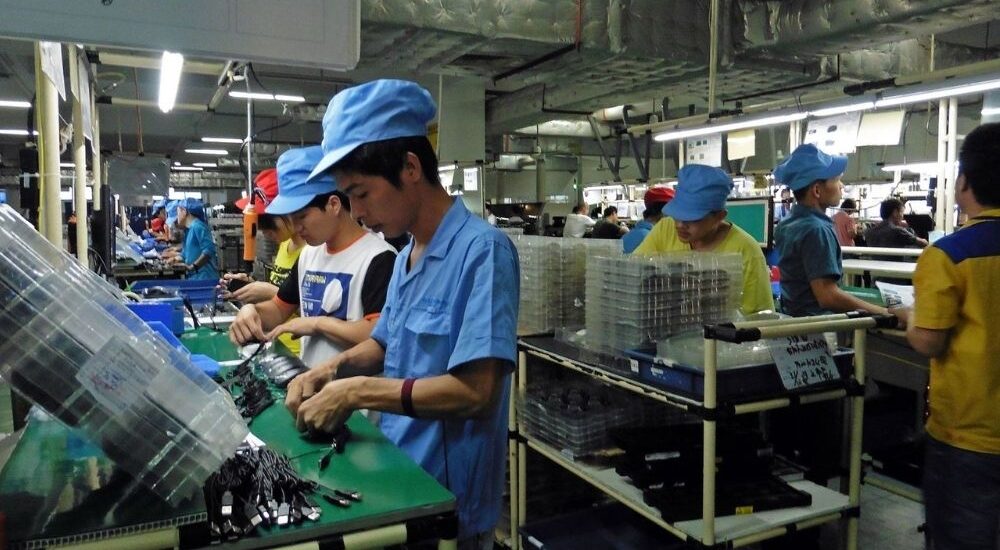
China’s manufacturing activity continued to contract for the fifth consecutive month in August, as indicated by the official purchasing managers’ index (PMI) released by the National Bureau of Statistics. The PMI rose to 49.7 from 49.3 in July, but it remained below the 50-point level that signifies contraction in the sector. This ongoing contraction puts pressure on Chinese officials to take measures to support economic growth, especially in the face of soft demand both domestically and internationally.
Despite the persistent contraction, there were some positive signs in the data. New orders returned to expansion for the first time in five months, and factory owners reported improvements in producer prices for the first time in seven months. However, the services sector continued to decline.
The PMI reading of 49.7 suggests that while conditions did not significantly worsen, the challenges facing China’s manufacturing sector persist. The country’s major manufacturing rivals in the region, Japan and South Korea, also reported declines in output.
Analysts and economists are cautiously optimistic about the future trajectory of China’s economic growth. Some believe that with the right policy support, a sequential uptick in growth activity could still be possible in the third quarter. China has introduced various measures to stimulate economic activity, including a cut in stock-trading stamp duties and guidelines for affordable housing to improve access to first-home mortgages.
However, the challenges are significant, including a worsening property slump, weak consumer spending, and credit growth. The global economic slowdown and factors like higher interest rates and inflation in major export markets continue to dampen demand for Chinese goods. Policymakers are under pressure to boost domestic demand and manage the balance between stimulating growth and addressing debt risks.
While the data indicates some positive developments, the effectiveness of policy support and its actual implementation will be crucial indicators to watch in the coming months. China’s economic outlook remains uncertain as it navigates these complex challenges and aims to achieve stable growth amid changing global dynamics.
Interested in learning more?
Sign up for Top Insights Today

Top Insights Today delivers the latest insights straight to your inbox.
You will get daily industry insights on
Oil & Gas, Rare Earths & Commodities, Mining & Metals, EVs & Battery Technology, ESG & Renewable Energy, AI & Semiconductors, Aerospace & Defense, Sanctions & Regulation, Business & Politics.
Read more insights

India’s solar export push stalls under U.S. trade penalties
The U.S. move to impose steep preliminary countervailing duties on solar imports from India, Indonesia and Laos is a serious setback for India’s attempt to establish itself as a durable alternative manufacturing hub for the American solar market.
The U.S. Commerce Department found manufacturers in the three countries benefited from state support that distorted competition, with Indian exporters facing preliminary countervailing duties of 125.87%. For Indian firms, this is not a marginal tariff increase but a potentially market-closing measure in what has become their most attractive export destination.

EU scraps green steel labels days before launch, leaving industry in chaos
The European Union’s eleventh-hour abandonment of the emissions labeling system for steel, scrapped from the Industrial Accelerator Act just days before publication, represents a devastating policy retreat that exposes the hollowness of Brussels’ green industrial strategy and demonstrates how regulatory ambitions divorced from market realities inevitably collapse when confronted with implementation complexities.
The removal of the labeling mechanism that green steel producers desperately requested to differentiate their expensive products leaves the entire market development framework in shambles, eliminating the basic information infrastructure that would allow consumers, manufacturers, and investors to distinguish between conventional and low-carbon steel while pushing crucial decisions “further down the road” precisely when the nascent industry requires immediate certainty to justify the billions in capital investments that EU climate goals ostensibly demand.
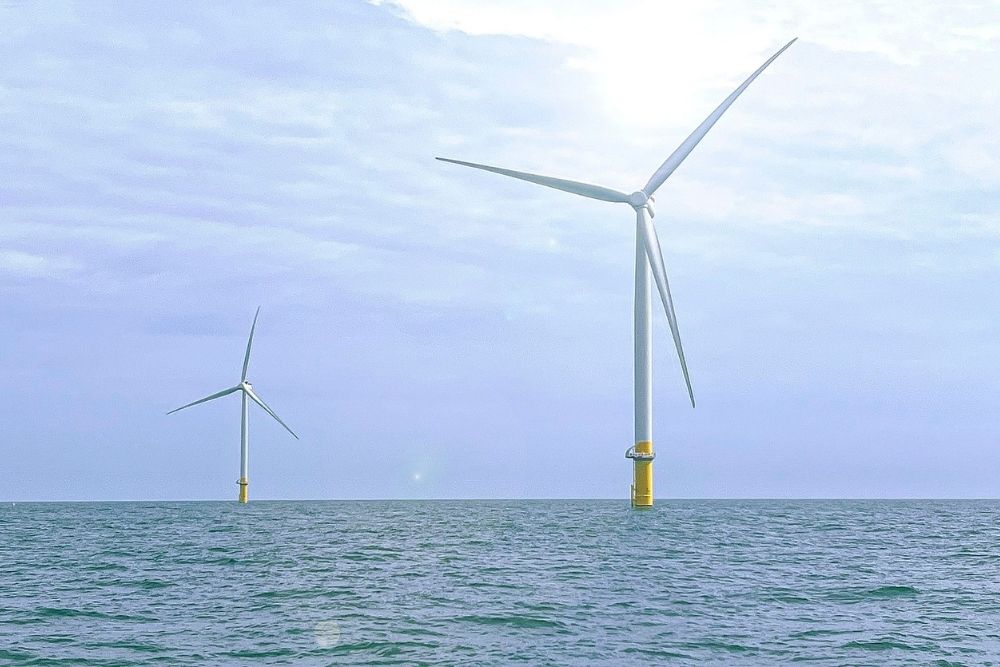
Southeast Asia renewable investments to exceed $76 billion between 2023 and 2025
Southeast Asian national oil companies (NOCs) and traditional upstream players are increasingly focusing on cleaner and more environmentally friendly energy initiatives, with investments projected to exceed $76 billion from 2023 to 2025, and a total expected outlay of $119 billion by the end of 2027. These investments are primarily directed towards wind, solar, and geothermal projects, reflecting a growing commitment to sustainable energy development in the region.