
India buys UAE oil in rupees for the first time
- August 22, 2023
- Posted by: Quatro Strategies
- Categories: India, Middle East, Oil & Gas
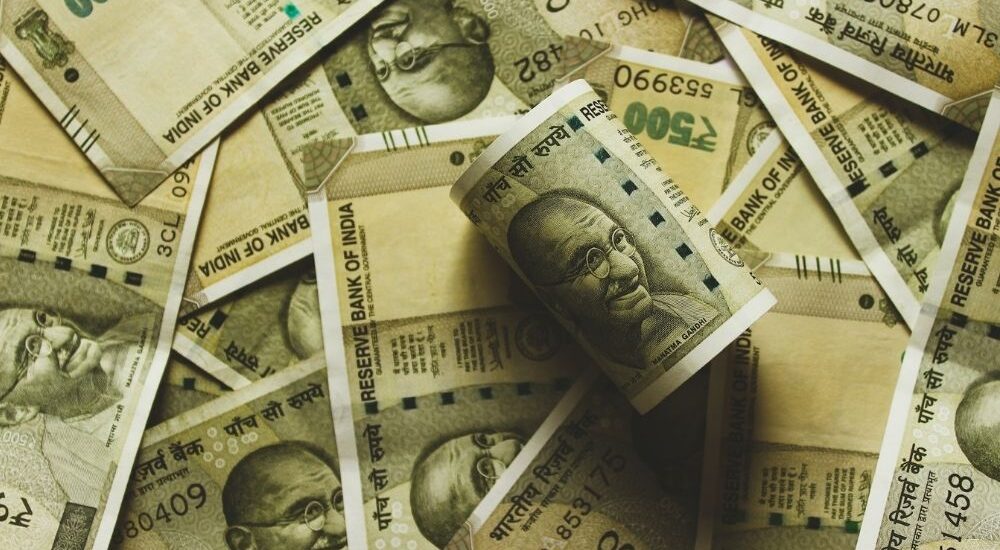
In a notable development, Indian Oil Corp. (IOC) has made its first-ever purchase of oil from the Abu Dhabi National Oil Company (ADNOC) and settled the transaction using Indian rupees (INR) instead of the U.S. dollar. The purchase involved one million barrels of crude from the UAE, and the payment was conducted in rupees. This move is part of India’s effort to promote the rupee as a trade instrument in international markets and reduce its dependency on the U.S. dollar.
The Reserve Bank of India (RBI) has been actively encouraging local banks to encourage clients to settle trades between India and countries like the UAE using local currencies such as the dirham (AED) or the Indian rupee. This initiative aims to strengthen the global reach of the Indian rupee and reduce reliance on the U.S. dollar for trade settlements. Particularly with countries where India has a trade deficit, the RBI is pushing for settlement in local currencies.
The trade deficit between India and the UAE has been significant, reaching $21.62 billion in the fiscal year 2022/23, which accounts for 8.2% of India’s total deficit. To address this issue, the two countries recently agreed to facilitate trade in rupees instead of dollars, aiming to curb the outflow of dollars due to the trade imbalance.
The RBI’s efforts to encourage INR-AED trades are focused on boosting trade volumes in local currencies and supporting banks in conducting such transactions. The central bank’s willingness to back INR-AED trades indicates its commitment to expanding the use of the Indian rupee in international trade settlements.
This move by IOC follows a similar trend observed with Russia, which has been accumulating Indian rupees due to trade imbalances. Russia has been settling trades with India in rupees since being cut off from U.S. dollar-dominated global payment systems following its conflict in Ukraine. However, the excess supply of rupees has created a challenge for Russia, as there is more demand for Russian goods in India than the reverse. As a result, Russia has amassed a substantial amount of net foreign assets denominated in rupees.
Overall, these developments reflect a broader trend of countries seeking to diversify their trade settlement currencies away from the U.S. dollar, which has implications for both geopolitical and economic dynamics.
Interested in learning more?
Sign up for Top Insights Today

Top Insights Today delivers the latest insights straight to your inbox.
You will get daily industry insights on
Oil & Gas, Rare Earths & Commodities, Mining & Metals, EVs & Battery Technology, ESG & Renewable Energy, AI & Semiconductors, Aerospace & Defense, Sanctions & Regulation, Business & Politics.
Read more insights

Tokyo Gas invests €220 million in offshore wind fund led by UK’s Octopus Energy
Japanese natural gas provider Tokyo Gas has invested €220 million ($238.5 million) in the offshore wind fund launched by UK-based Octopus Energy. The fund, introduced in October 2022, aims to invest €3.5 billion ($3.8 billion) globally in offshore wind projects by 2030, with a focus…

New Caledonia’s nickel industry in turmoil as civil unrest disrupts global market
The recent civil unrest in New Caledonia, a major nickel producer, has significant implications both politically and in global markets. New Caledonia holds the world’s fifth-largest nickel reserves and ranked third globally in mined nickel production in 2023. he nickel industry in New Caledonia has a long history dating…
China chokes supply of key tech metals, exerts leverage over West
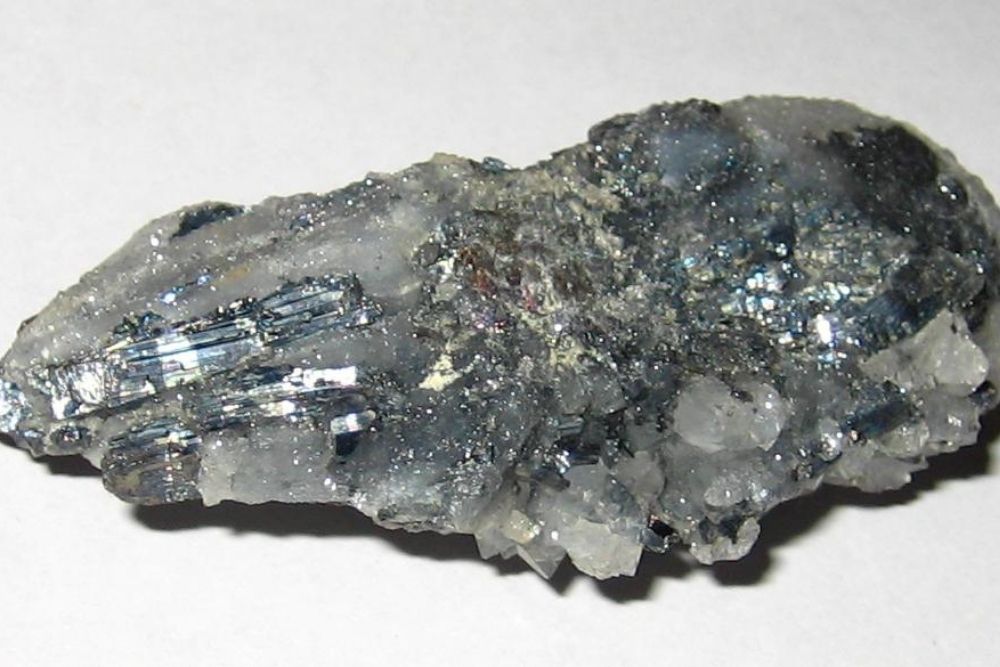
China’s export controls on key technology and defense-critical metals are continuing to squeeze global supply chains, as new customs data reveal persistently low shipment levels despite soaring global prices. The move underscores Beijing’s resolve to weaponize its dominance over niche but vital materials like antimony, germanium, and gallium, as geopolitical tensions—especially with the United States—worsen.
Since last year, China has added the three metals to its export control list, subjecting them to a licensing regime that restricts outbound sales. While not an outright ban in most cases, the licensing process is widely seen as opaque, bureaucratic, and selectively applied—giving Chinese authorities a powerful tool to exert influence over global industrial and defense sectors.