
India set to auction around 100 critical mineral blocks
- August 30, 2023
- Posted by: Quatro Strategies
- Categories: India, Mining & Metals, Rare Earths & Commodities

India is gearing up to auction around 100 critical mineral blocks within the next four months as part of its strategy to secure domestic supplies of essential raw materials required for the green energy transition. These mineral blocks include resources like nickel, lithium, cobalt, platinum, and rare earths. The objective is to support India’s goal of becoming a significant hub for battery and electric vehicle manufacturing, aiding its path to achieve a net-zero target.
Mines Secretary Vivek Bharadwaj mentioned that the legal framework for the auction has been established, and the blocks to be auctioned have been identified. The tender seeking bids is expected to be released by December, with auctions starting about three months later.
India currently doesn’t mine certain critical minerals such as lithium, cobalt, and nickel domestically. To encourage both global and local miners to participate in the auction process, the government is planning to provide half the cost of exploration as reimbursement. Companies that win the bids may require around three years to develop and begin operations in these mines.
The recent changes to India’s mining rules, which allow private miners to explore for critical minerals like lithium, are expected to play a crucial role in facilitating the auction of these mineral blocks. This will especially impact the auction of lithium blocks in regions like Jammu and Kashmir and Karnataka.
State-run companies and energy giants like Coal India Ltd. and NTPC Ltd. are actively exploring opportunities for mining these essential minerals. Additionally, a government-owned joint venture called Khanij Bidesh India Ltd. has been formed to purchase critical mineral assets overseas, primarily in regions such as Australia and South America. These efforts reflect India’s determination to ensure a secure supply of vital resources for its ambitious renewable energy and electric vehicle plans.
Interested in learning more?
Sign up for Top Insights Today

Top Insights Today delivers the latest insights straight to your inbox.
You will get daily industry insights on
Oil & Gas, Rare Earths & Commodities, Mining & Metals, EVs & Battery Technology, ESG & Renewable Energy, AI & Semiconductors, Aerospace & Defense, Sanctions & Regulation, Business & Politics.
Read more insights

Asia convenes emergency energy reviews as Hormuz traffic stalls
Asia’s immediate response to the Hormuz disruption has been less about “panic buying” and more about triage: how long existing inventories can cover runs, which cargoes are already committed, which routes remain insurable, and what substitute barrels can realistically be sourced on short notice.
Governments and refiners across the region convened emergency assessments as tanker movements slowed sharply around the Strait of Hormuz, which normally carries around one-fifth of global oil consumption and a similarly critical share of seaborne LNG.
U.S. businesses’ optimism on China fell to record low
In a recent survey by the American Chamber of Commerce (AmCham) in Shanghai, a sense of pessimism among U.S. businesses operating in China was distinctly evident. The optimism regarding the five-year business outlook in China fell to a record low, dropping to 52%.
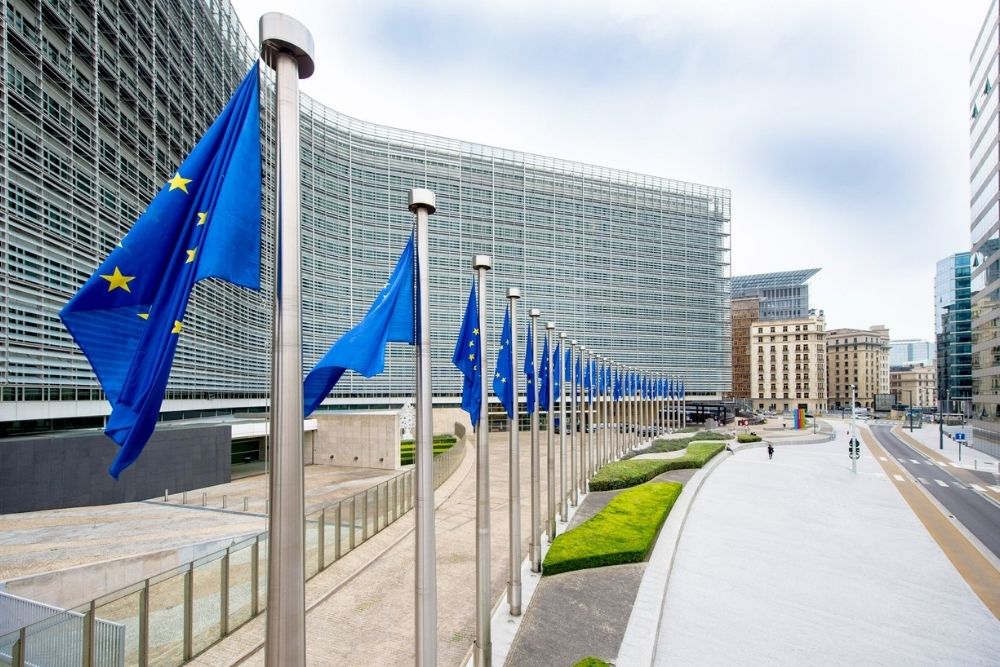
EU targets tech sovereignty with bold scale-up investment plan
The European Union is preparing to launch a major new investment initiative aimed at closing the innovation and scale-up gap with global tech leaders like the United States and China. Announced on Wednesday, the European Commission’s new “Choose Europe to Start and Scale” strategy includes plans to establish a public-private Scaleup Europe Fund with a target size of at least €10 billion ($11.3 billion).
This move marks one of the EU’s most ambitious efforts yet to support high-growth technology companies within its borders. The strategy reflects growing concern in Brussels that Europe is falling behind in the global race for tech dominance. Despite a robust scientific base and a thriving early-stage startup ecosystem, Europe lags far behind the U.S. and China in producing “unicorns” — privately held companies valued at over $1 billion.