
Mexico overtakes China as top U.S. trade partner
- August 21, 2023
- Posted by: Quatro Strategies
- Categories: Americas, Rare Earths & Commodities, United States

Mexico has once again become the United States’ top trading partner, with trade between the two countries totaling $263 billion in the first four months of this year. This shift is seen as a clear indication of how the economic disruptions caused by the pandemic in 2020 are continuing to shape the global economy.
This transition in trade dominance has been driven by various factors. Before the pandemic, former President Donald Trump’s tariffs on Chinese goods and the signing of the US-Canada-Mexico trade deal, a modernized version of NAFTA, set the stage for changes in trading relationships. Additionally, the concept of “nearshoring” has gained momentum. Nearshoring involves bringing supply chains for essential goods closer to home, both physically and politically.
The rise of nearshoring was accelerated by the pandemic, which increased shipping costs across the Pacific and heightened consumer demand for quicker delivery times. As a result, companies like Walmart began looking for suppliers closer to home. This shift is not about deglobalization, but rather the next phase of globalization, focused on regional networks.
Regionalization is gaining traction as an alternative to traditional globalization. The idea is to keep production closer to home, which can benefit local workers. Mexico’s trade with the US demonstrates this concept; a significant portion of Mexican imports to the US consists of goods with parts that are still made in the US, contributing to regional economic interdependence.
While the trade relationship between Mexico and the US remains strong, recent efforts by President Joe Biden’s administration have shown a willingness to improve the US-China relationship. Secretary of State Antony Blinken and China’s leader, Xi Jinping, have pledged to stabilize the relationship between the two countries, and Treasury Secretary Janet Yellen has indicated hope for closer collaboration. Despite these diplomatic efforts, trade shifts and the rise of regionalization are expected to continue shaping global trade dynamics in the years ahead.
Interested in learning more?
Sign up for Top Insights Today

Top Insights Today delivers the latest insights straight to your inbox.
You will get daily industry insights on
Oil & Gas, Rare Earths & Commodities, Mining & Metals, EVs & Battery Technology, ESG & Renewable Energy, AI & Semiconductors, Aerospace & Defense, Sanctions & Regulation, Business & Politics.
Read more insights
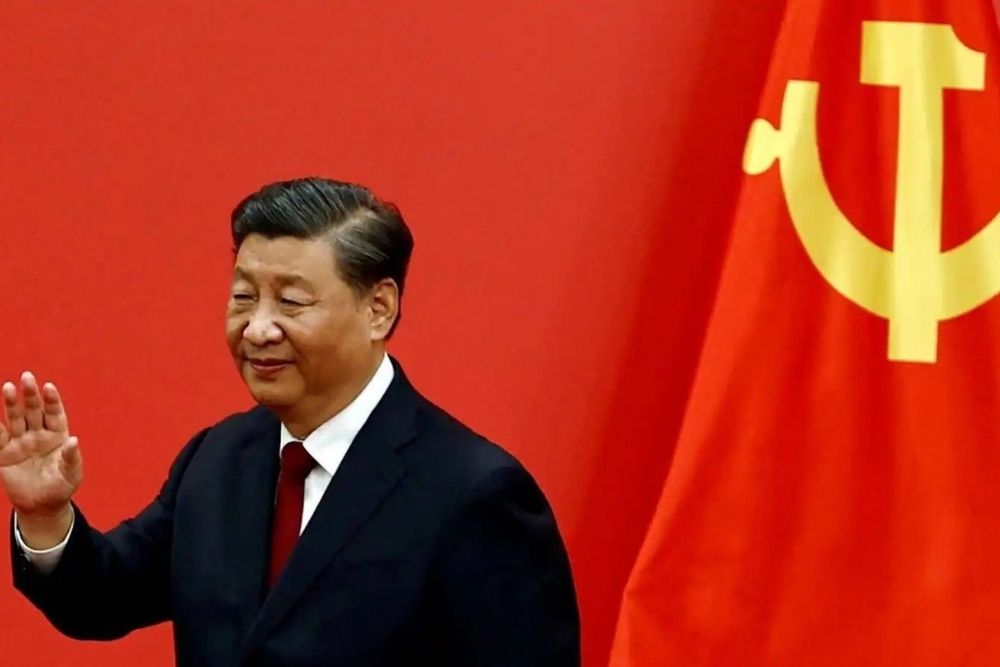
China’s stimulus model hits a wall as structural weakness deepens
China’s current slowdown underscores the limits of stimulus-heavy policymaking when structural weaknesses run deep. After reporting 5.3% growth in the first half of 2025, Beijing is now facing its sharpest downturn since the pandemic, with fixed asset investment falling 5.2% in July, the worst non-Covid contraction in over two decades.
This decline reveals both the exhaustion of the infrastructure-led model and the collapse in confidence around the real estate sector, which since 2020 has remained mired in a debt-driven correction that Xi Jinping has shown little willingness to reverse.

Fossil supermajors lift output into a soft tape, betting on 2026–27
Big Oil is getting ready to pump more, just as prices sag and OPEC+ keeps the taps open. The five supermajors, namely Exxon Mobil, Chevron, Shell, BP, and TotalEnergies, are set to lift output this year and again in 2026, a choice that looks perverse against today’s oversupplied market but makes sense if you believe the squeeze comes later.
Management teams are gaming a late-2026/2027 tightening, arguing that if they don’t sanction barrels now, they’ll miss the upcycle. That view sits behind a broader portfolio pivot: trim buybacks, slow or shelve low-carbon projects with soft returns, cut headcount, and push capital back toward oil and gas developments that still throw off the fattest cash margins.
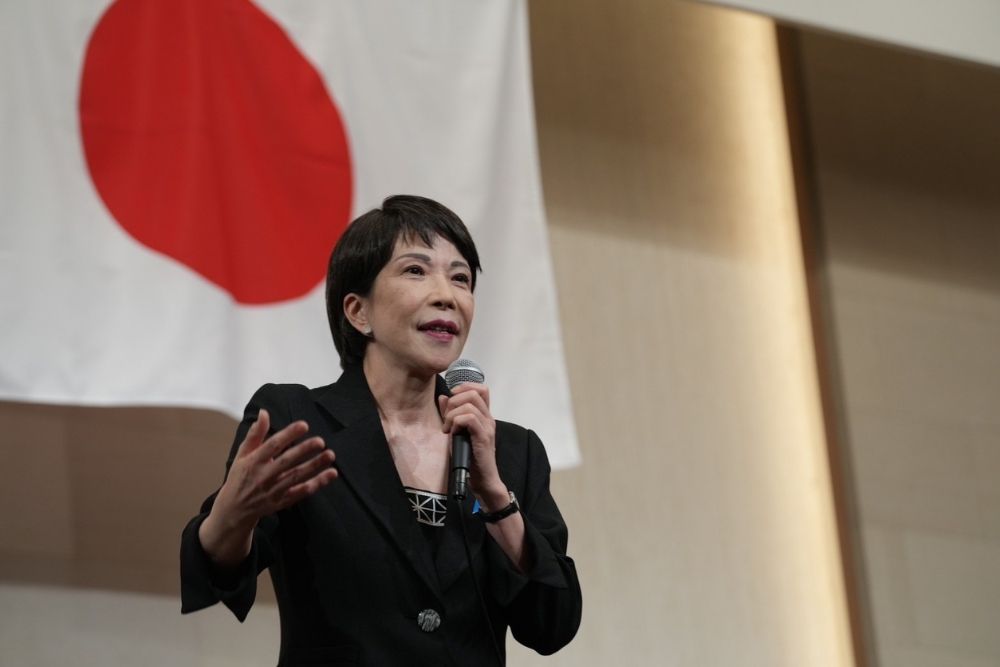
Takaichi’s victory revives Abenomics spirit, with a twist of inflation and debt
Sanae Takaichi’s upset win in Japan instantly revived memories of “Abenomics”, and markets traded like it. Equities ripped to fresh records, the long end of the JGB curve sold off on fiscal jitters, and the yen slipped through ¥150 per dollar as investors penciled in a looser policy mix.
The parallels are obvious: Takaichi has long embraced Shinzo Abe’s playbook of fiscal support, tax relief and pressure for easier money to lift nominal growth and corporate profits. But the backdrop is very different to 2012.