
Norway’s Equinor buys 25% stake in U.S. CCS project
- August 29, 2023
- Posted by: Quatro Strategies
- Categories: ESG & Renewable Energy, Europe, Oil & Gas, United States
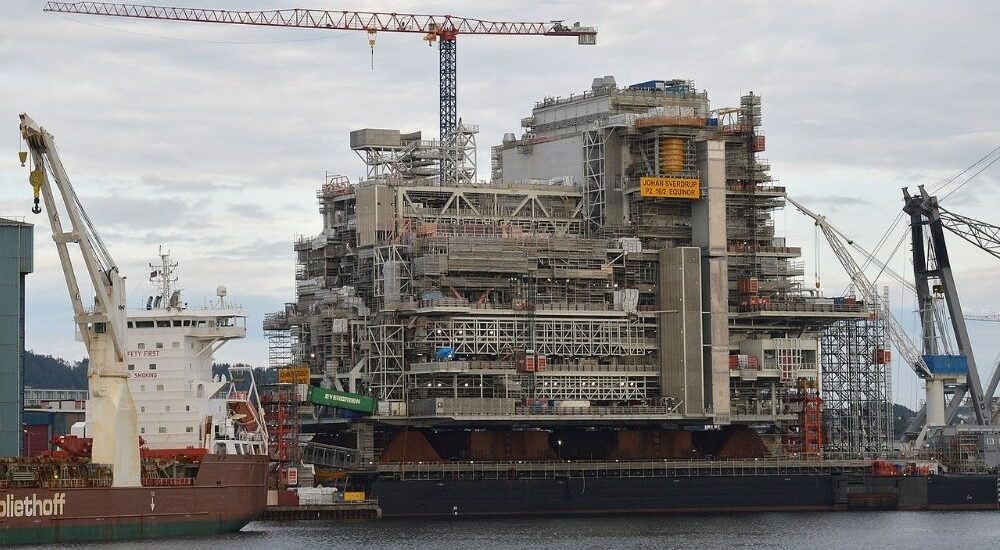
Equinor, a prominent Norwegian oil and gas company, has taken a significant step towards advancing carbon capture and storage (CCS) efforts by acquiring a 25% stake in Bayou Bend CCS LLC. This project is strategically located along the Gulf Coast in southeast Texas, USA, and is operated by Chevron. Equinor’s investment underscores its dedication to developing innovative solutions to combat carbon dioxide (CO2) emissions and aligns with its overarching ambition to establish a net CO2 transport and storage capacity of 15-30 million tonnes by the year 2035.
The Bayou Bend CCS project is geared towards capturing and storing CO2 emissions from industrial sources, particularly those related to sectors such as cement, steel, and chemicals. This initiative is especially crucial for addressing emissions from industries that are notoriously hard to decarbonize. Equinor’s move to secure a stake in this venture comes at a time when global attention is increasingly focused on CCS solutions as a pivotal tool in the fight against climate change.
The acquisition of the 25% stake was achieved through Equinor’s purchase of Texas Carbon 1 LLC, a subsidiary of Carbonvert. The financial details of the transaction have not been disclosed in the announcement. Chevron, a major energy player, holds a 50% stake in the Bayou Bend CCS project, solidifying its commitment to sustainable energy solutions. The remaining 25% stake is held by Talos Energy Inc., another participant that underscores the collaborative nature of this endeavor.
Equinor’s involvement in the Bayou Bend CCS project is consistent with its broader efforts to drive the development of CCS solutions. The project aims to capture and store CO2 emissions from both onshore and offshore sources, emphasizing the comprehensive nature of its approach. This initiative aligns with Equinor’s vision of tackling emissions at various stages of the value chain, from capture to storage.
By investing in CCS projects such as Bayou Bend, Equinor not only showcases its commitment to environmental sustainability but also underscores the growing recognition of CCS as a critical tool in the global efforts to address climate change. As industries around the world work towards decarbonization, Equinor’s strategic participation in such ventures contributes to a more sustainable energy landscape and sets an example for others to follow.
Interested in learning more?
Sign up for Top Insights Today

Top Insights Today delivers the latest insights straight to your inbox.
You will get daily industry insights on
Oil & Gas, Rare Earths & Commodities, Mining & Metals, EVs & Battery Technology, ESG & Renewable Energy, AI & Semiconductors, Aerospace & Defense, Sanctions & Regulation, Business & Politics.
Read more insights
US plans to purchase 3 million barrels of crude for strategic petroleum reserve
The U.S. Department of Energy (DOE) has announced its intention to purchase up to 3 million barrels of crude oil for the Strategic Petroleum Reserve (SPR) for delivery in March 2024. This move is part of the Biden administration’s strategy to replenish the SPR, taking advantage of lower oil…
Taiwan pitches a semiconductor co-development model to the U.S.
Taipei is trying to turn a tariff fight into an investment bargain. After a fresh negotiating round in late September, Vice Premier Cheng Li-chiun sketched a “Taiwan model” for U.S. expansion in which the government will backstop homegrown firms with credit guarantees while Washington helps with the unglamorous bottlenecks, such as land, visas, and friendlier rules needed to build real clusters.
The pitch is not an EU or Japan-style subsidy bid, nor a Korea-style one-company package. It’s closer to a public-public framework that lowers risk for a broader swath of Taiwanese suppliers to add capacity in America without uprooting their cores in Hsinchu, Taichung, and Tainan.
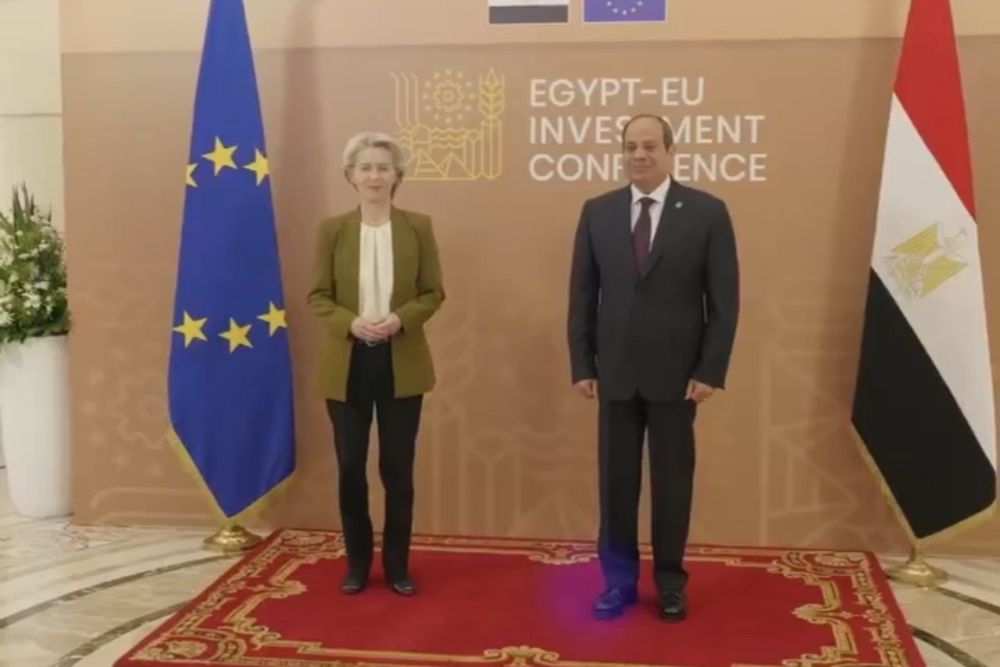
European Commission announces 20 new deals worth 40 billion euros in Egypt
European firms are making significant economic strides in Egypt, with deals valued at more than 40 billion euros ($42.85 billion), as announced by European Commission President Ursula von der Leyen at an investment conference in Cairo. This initiative marks a concerted effort to bolster Egypt’s fragile economy amidst…