
Octopus Energy set to buy Shell’s UK, Germany home energy business
- September 4, 2023
- Posted by: Quatro Strategies
- Categories: ESG & Renewable Energy, Europe
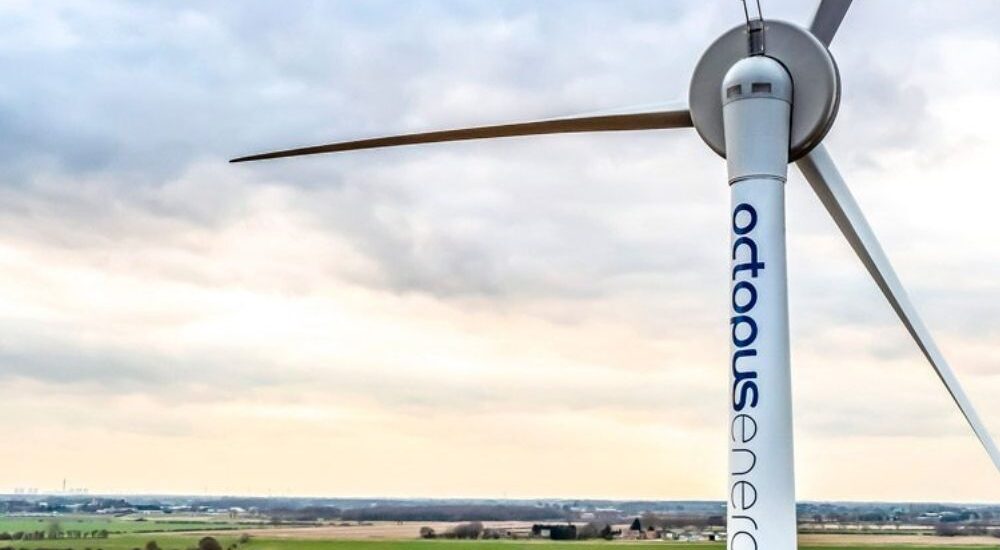
Shell is selling its home energy business in the UK and Germany to British energy provider Octopus Energy Group. This move is part of a broader deal in which the two firms will explore a partnership related to electric vehicle (EV) charging. Returns in the UK energy retail sector have been constrained in recent years as companies have grappled with rising wholesale costs and price caps imposed by regulator Ofgem.
Shell Energy Retail Limited in the UK and Shell Energy Retail GmbH in Germany provide domestic gas, power, and broadband services to roughly two million customers, operating under the Shell Energy brand. Octopus Energy’s acquisition of Shell’s assets is expected to solidify its position as the second-largest home energy supplier in the UK, with approximately 6.5 million customers, second only to Centrica’s British Gas, which has roughly 7.5 million retail customers.
Octopus Energy made a strategic move last year by acquiring Bulb, a competitor that was among the largest energy suppliers to go bankrupt in 2021 due to surging wholesale gas and electricity prices. While the financial terms of the Shell-Octopus deal were not disclosed, earlier reports estimated its value at $50-100 million. The sale is set to complete in the fourth quarter of 2023, pending regulatory approval, and Shell Energy Retail customers will be contacted at that time.
In addition to the divestment, Shell and Octopus Energy have signed a memorandum of understanding to explore an international partnership in the realm of electric vehicle charging. This partnership could extend to Shell Recharge subscribers, marking a significant move into the EV market for the two energy companies.
Interested in learning more?
Sign up for Top Insights Today

Top Insights Today delivers the latest insights straight to your inbox.
You will get daily industry insights on
Oil & Gas, Rare Earths & Commodities, Mining & Metals, EVs & Battery Technology, ESG & Renewable Energy, AI & Semiconductors, Aerospace & Defense, Sanctions & Regulation, Business & Politics.
Read more insights
Norway’s Hystar to build electrolyzer plant in Oslo, expand into North America
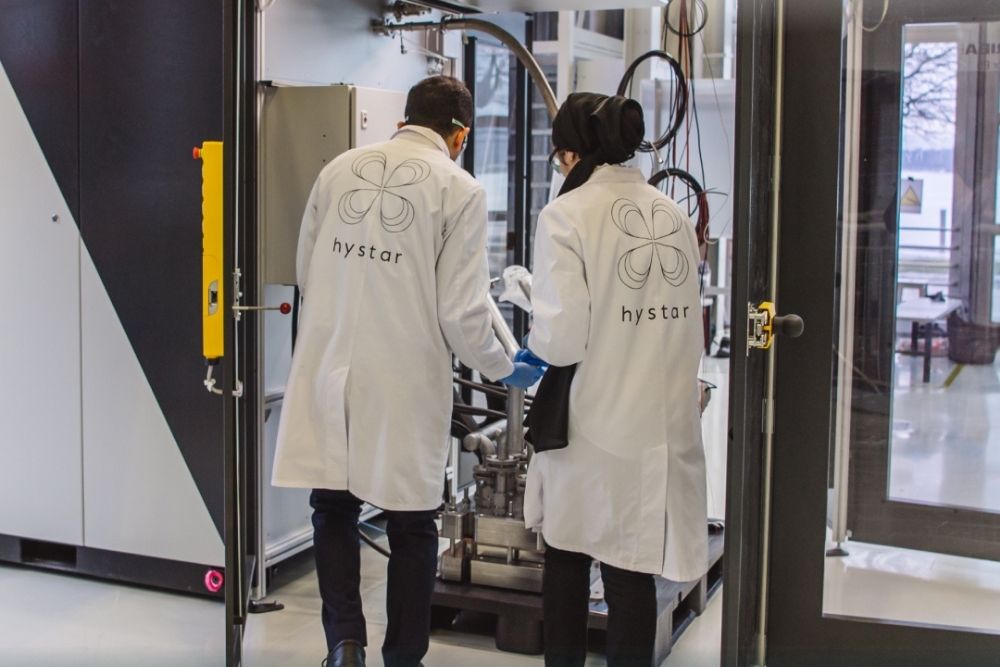
Hystar, a Norwegian electrolyser company, is embarking on significant expansion plans, aiming to build a new factory outside Oslo and expand into North America to tap into investment incentives. Electrolysers are instrumental in producing green hydrogen by splitting water using electricity, enabling the decarbonization of industry sectors that can’t transition to electricity directly.
Russian Urals crude faces 40% increase in discount amid G7’s price cap enforcement
The United States’ enforcement of the G7’s price cap on Russian oil, in effect since October, is reportedly impacting Russia’s ability to fetch higher prices for its oil in global markets. A U.S. Treasury official mentioned that the enforcement of the G7’s price cap, which involves placing sanctions…
Taiwan pitches a semiconductor co-development model to the U.S.
Taipei is trying to turn a tariff fight into an investment bargain. After a fresh negotiating round in late September, Vice Premier Cheng Li-chiun sketched a “Taiwan model” for U.S. expansion in which the government will backstop homegrown firms with credit guarantees while Washington helps with the unglamorous bottlenecks, such as land, visas, and friendlier rules needed to build real clusters.
The pitch is not an EU or Japan-style subsidy bid, nor a Korea-style one-company package. It’s closer to a public-public framework that lowers risk for a broader swath of Taiwanese suppliers to add capacity in America without uprooting their cores in Hsinchu, Taichung, and Tainan.