
Offshore wind industry facing challenges that hamper growth
- September 28, 2023
- Posted by: Quatro Strategies
- Categories: ESG & Renewable Energy, Europe, Sanctions & Regulation
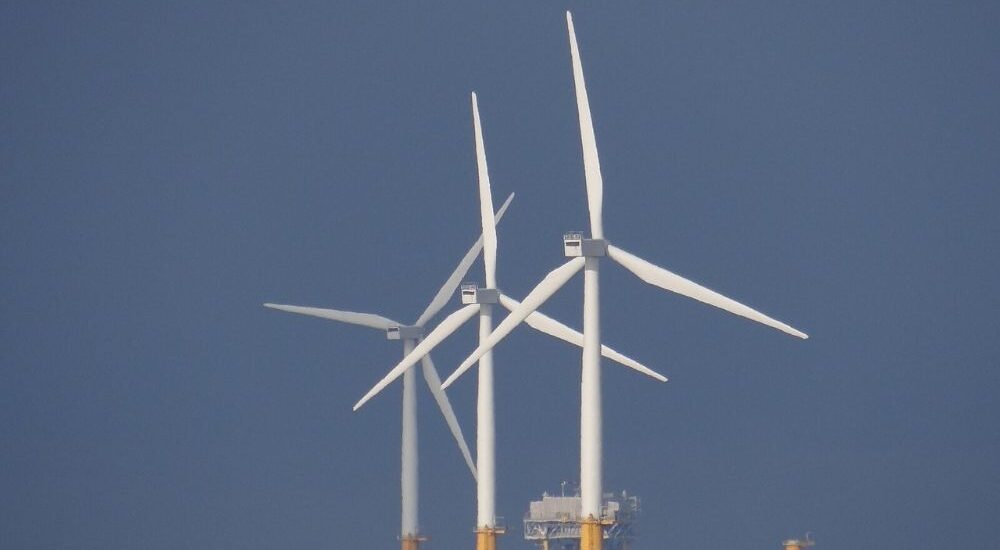
The offshore wind industry is facing a perfect storm of challenges that put numerous clean energy projects at risk of not meeting climate goals, according to industry executives, investors, and analysts. Factors such as supply chain delays, design flaws, and escalating costs have hampered the progress of wind energy projects, notably in the European Union, which is pushing for a legally binding goal to produce 42.5% of energy from renewables by 2030.
The increased demand for clean energy to reduce reliance on fossil fuels has put immense pressure on manufacturers and supply chains to keep up. The EU’s new target would necessitate a significant increase in wind energy capacity, with more than double the current offshore capacity required. However, numerous projects in countries like Britain, the Netherlands, and Norway have faced delays or have been postponed due to rising costs and supply chain constraints.
The trend toward developing larger and more efficient wind turbines may have been too rapid, leading to design and operational issues. Larger turbines are more susceptible to faults and require costlier materials, contributing to increased manufacturing and maintenance costs. Issues like supply chain disruptions, raw material costs, shipping rates, and interest rates have further eroded profits for wind developers.
Governments are increasing auction rounds and tenders for seabed licenses to accelerate the transition to renewable energy. However, some wind developers argue that the electricity prices offered at these auctions are too low to justify embarking on new projects given the industry’s cost challenges. This could pose a significant risk to achieving climate and economic goals.
To address these challenges and prevent a major market failure, the European Commission has announced plans for a package of support measures. However, urgent and comprehensive actions are needed from both governments and industry stakeholders to stabilize the offshore wind industry and ensure it can meet the growing demand for clean energy.
QUATRO Strategies International Inc. is the leading business insights and corporate strategy company based in Toronto, Ontario. Through our unique services, we counsel our clients on their key strategic issues, leveraging our deep industry expertise and using analytical rigor to help them make informed decisions to establish a competitive edge in the marketplace.
Interested in learning more?
Sign up for Top Insights Today

Top Insights Today delivers the latest insights straight to your inbox.
You will get daily industry insights on
Oil & Gas, Rare Earths & Commodities, Mining & Metals, EVs & Battery Technology, ESG & Renewable Energy, AI & Semiconductors, Aerospace & Defense, Sanctions & Regulation, Business & Politics.
Read more insights
West turns to rare earth recycling to break China’s grip
Western governments are scrambling to break their dependence on China for rare earth magnets, a critical component of clean energy and high-tech supply chains, as Beijing’s recent export restrictions sent shockwaves through global manufacturing.
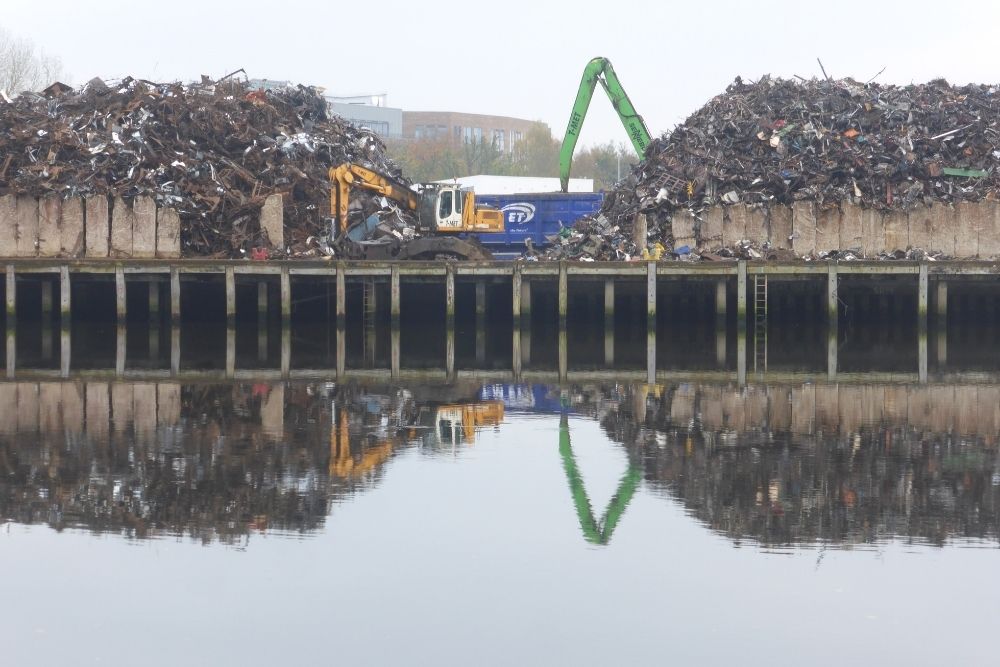
The United States has taken the most aggressive steps, with the Department of Defense investing directly in MP Materials, operator of America’s only rare earth mine, and guaranteeing price floors to shield it from market volatility. But while mining has captured the spotlight, a less glamorous but potentially transformative solution lies scattered all around: the millions of defunct laptops, smartphones, and power tools that contain recoverable rare earth magnets.

Gulf food security model strains as Hormuz logistics choke tightens
The Gulf’s wealthiest states are discovering that the food-security model they built after the 2007-08 food crisis is resilient against price spikes, but far less robust against a physical logistics shock that constricts their main import artery. The earlier strategy shift, away from expensive domestic grain schemes toward near-total reliance on imports, overseas farm investments, and larger strategic stocks, was designed for a world where shipping lanes stayed open and finance could always buy supply.
The Iran war is testing the part that money cannot instantly fix: the ability to move containers and bulk cargo reliably through the Strait of Hormuz and into the handful of big Gulf ports that dominate regional distribution.
China pauses new rare earth curbs for a year, but magnet rules stay
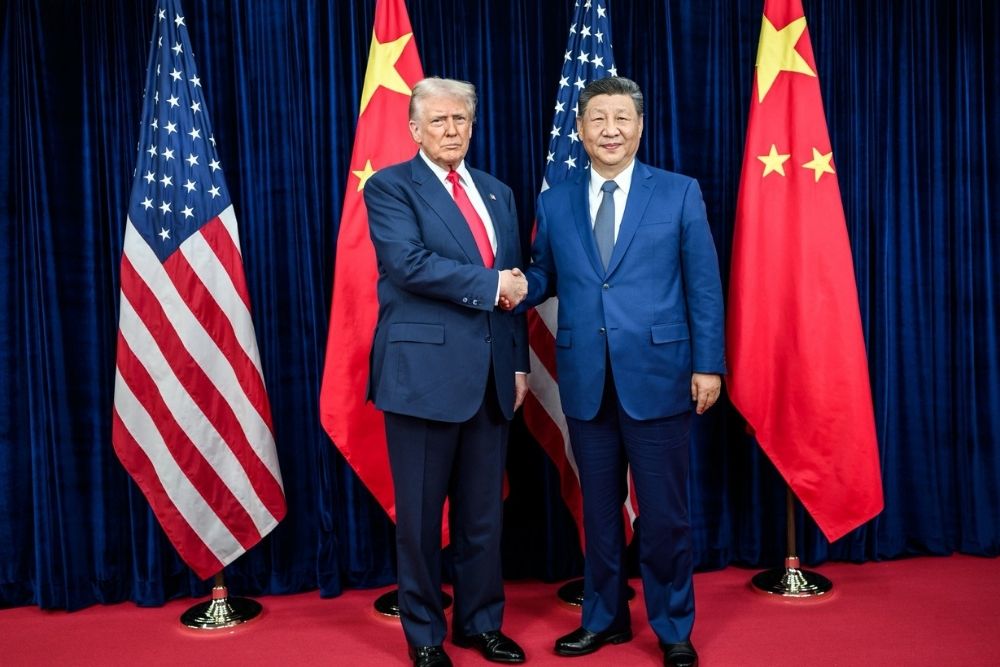
Beijing just pulled the emergency brake halfway. After a two-hour summit in South Korea, Presidents Trump and Xi emerged with a tactical ceasefire on rare earths: China will pause for one year the newest round of export controls it unveiled on Oct. 9, which widened the regime to additional materials and rules.
Trump quickly declared the matter “settled” but it isn’t. The earlier April restrictions, covering seven rare earths and, critically, finished magnets, remain in force, and those are the constraints that already rattled auto, defense, and semiconductor supply chains and forced production pauses. In other words, Beijing has offered breathing room on the latest measures while keeping its strongest leverage intact.