
Pirelli’s shareholder agreement with Chinese investors not to be renewed
- October 4, 2023
- Posted by: Quatro Strategies
- Categories: Business & Politics, China, Europe, Sanctions & Regulation
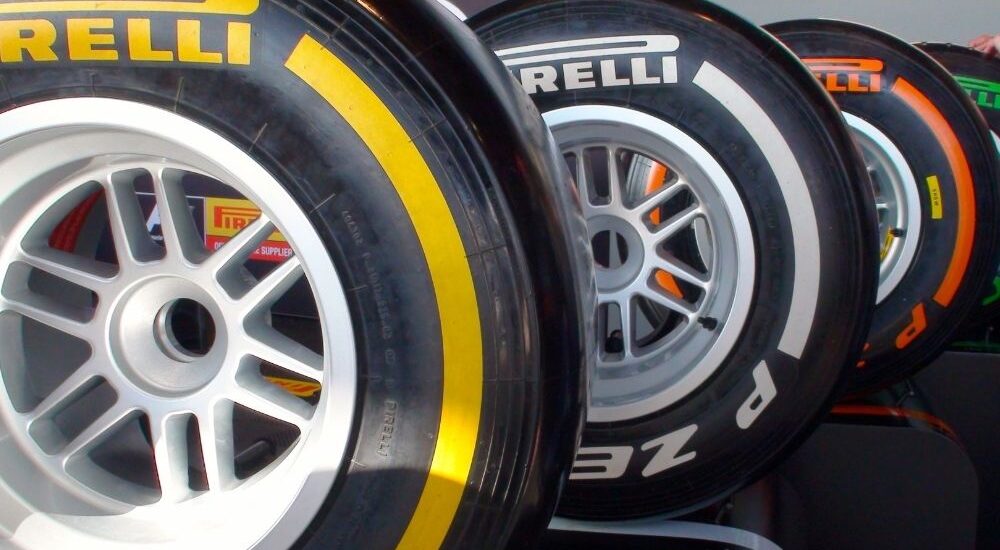
Pirelli, a prominent Italian tyre manufacturer, recently announced a notable development in its corporate structure. The company revealed that its major Chinese investors, Sinochem and Silk Road Fund, have chosen not to extend their collaborative agreement regarding certain key matters at the tyre-making giant. These investors hold substantial stakes in Pirelli, with Sinochem having a 37% stake and Silk Road Fund a 9% stake. This collaborative shareholder agreement, initially established in 2020, was a strategic move to synchronize their positions and votes concerning particular crucial issues concerning Pirelli.
One significant aspect of this agreement was Silk Road Fund’s commitment to align its votes with Sinochem’s at Pirelli’s shareholder meetings, accounting for a 5% stake out of their combined 9% ownership. However, as the agreement reached its predetermined termination date on September 29, it has ceased to be in effect. Although Pirelli made this announcement, the precise reasons behind the investors’ decision to not renew the agreement were not provided.
It’s important to note that Sinochem, a state-owned entity, has a distinct governance agreement with another influential investor in Pirelli, Camfin. Camfin represents the interests of Marco Tronchetti Provera, a notable Italian entrepreneur who has held a leadership role at Pirelli since 1992 and currently serves as the executive vice chairman.
Earlier this year, the Italian government exercised its “golden power” legislation, a mechanism designed to safeguard vital national assets, to impose conditions on the potential renewal of the governance pact between Sinochem and Camfin.
This governmental intervention significantly impacted Pirelli’s governance dynamics, fortifying Camfin’s influence over the company. Despite Camfin owning a 14.1% stake in Pirelli, the Italian government’s actions strengthened its role within the company.
Pirelli is renowned not only for its consumer tyre business but also as a significant tyre supplier for Formula One motor racing, further elevating the importance of these governance shifts within the company. However, the exact implications of this recent decision by Sinochem and Silk Road Fund on Pirelli’s future strategic direction remain to be seen.
QUATRO Strategies International Inc. is the leading business insights and corporate strategy company based in Toronto, Ontario. Through our unique services, we counsel our clients on their key strategic issues, leveraging our deep industry expertise and using analytical rigor to help them make informed decisions to establish a competitive edge in the marketplace.
Interested in learning more?
Sign up for Top Insights Today

Top Insights Today delivers the latest insights straight to your inbox.
You will get daily industry insights on
Oil & Gas, Rare Earths & Commodities, Mining & Metals, EVs & Battery Technology, ESG & Renewable Energy, AI & Semiconductors, Aerospace & Defense, Sanctions & Regulation, Business & Politics.
Read more insights

Europe’s defense ambitions collide with fiscal realities and rising yields
Germany’s significant fiscal expansion could boost overall European economic growth, yet it simultaneously increases borrowing costs for its heavily indebted neighbors, limiting their ability to enhance defense spending.
Since Germany, Europe’s largest economy, unveiled major spending plans following a landmark overhaul of EU fiscal rules in early March, borrowing costs have risen roughly 20 basis points (bps) across key nations like Italy, France, and Spain. Germany’s fiscal changes, aimed at ramping up infrastructure and defense spending, inadvertently have made it more expensive for other countries to finance their own investments due to higher market yields.
Markets question U.S. haven status amid Greenland tariff standoff
Markets are relearning an old lesson about the Trump era: volatility is not just a function of economic data, but of political optionality. As President Donald Trump begins the second year of his second term, the trade-and-geopolitics complex that has repeatedly jolted risk sentiment is back in the foreground, and the initial market response suggests investors are less willing to reflexively “buy the dip” than they were after last year’s tariff shocks.
The immediate trigger was Trump’s escalation of tariff threats against European allies in connection with his push to control Greenland, an issue that markets read not merely as a trade dispute, but as a stress test of the transatlantic security architecture.
Finland to launch auction for five offshore wind farms
Finland is set to launch a significant offshore wind auction, aiming to develop five wind farms in a leased area covering 860 square kilometers. This initiative is part of the country’s broader efforts to boost its renewable energy capacity. The auction, managed by the state-owned company…