
Polymetal’s Russia assets attracts interest from Russian miners, Chinese investors
- August 22, 2023
- Posted by: Quatro Strategies
- Categories: Europe, Mining & Metals, Sanctions & Regulation
Gold and silver producer Polymetal International has attracted interest from various parties, including Russian miners and Chinese investors, for the acquisition of its Russian assets. The company had initially considered spinning off its Russian business but decided on a sale due to complications arising from US sanctions imposed on its Russian assets. Polymetal’s CEO, Vitaly Nesis, indicated that a sale is now the most viable option and aims to complete the process within the next six to nine months.
The sale process might face challenges, including regulatory requirements and foreign asset sales restrictions in Russia. The competition regulator and other factors might influence the sale, making the process more complex.
The US sanctions targeting Polymetal’s Russian business, along with other gold producers, were imposed as a response to Russia’s actions in Ukraine. Russian and Chinese companies, particularly from the mining sector, are reportedly among the potential bidders for Polymetal’s Russian unit.
While there have been speculations about interested parties, including Russian gold producer Polyus and entities controlled by various individuals, Polymetal has not confirmed any specific buyer at this time. The company spokesperson refrained from commenting on market rumors.
Despite concerns about potential government interference in business operations, Nesis expressed his belief that the Russian authorities would not seize Polymetal’s assets as they have done with companies like Danone and Carlsberg in recent times.
Interested in learning more?
Sign up for Top Insights Today

Top Insights Today delivers the latest insights straight to your inbox.
You will get daily industry insights on
Oil & Gas, Rare Earths & Commodities, Mining & Metals, EVs & Battery Technology, ESG & Renewable Energy, AI & Semiconductors, Aerospace & Defense, Sanctions & Regulation, Business & Politics.
Read more insights
TotalEnergies unveils €10 billion green hydrogen hub in Morocco to supply Europe
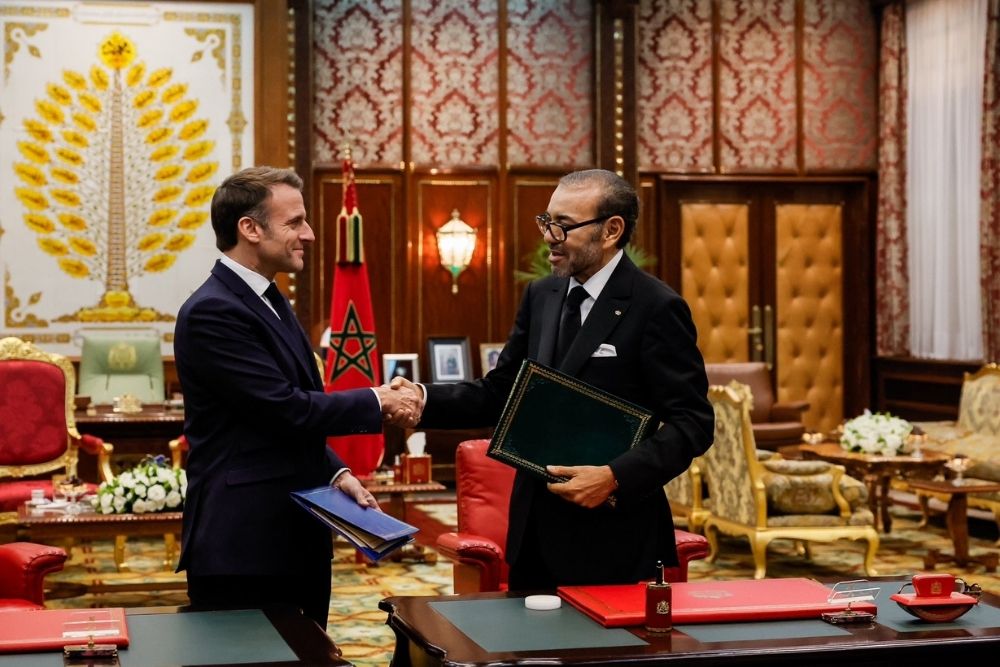
TotalEnergies, the French oil and gas giant, has announced a new project to develop a renewable energy hub in Morocco dedicated to producing green hydrogen and ammonia for export to Europe. The project, named Chbika, was unveiled during French President Emmanuel Macron’s recent visit to Morocco as part…
SQM awarded environmental certificate for Chile lithium mine
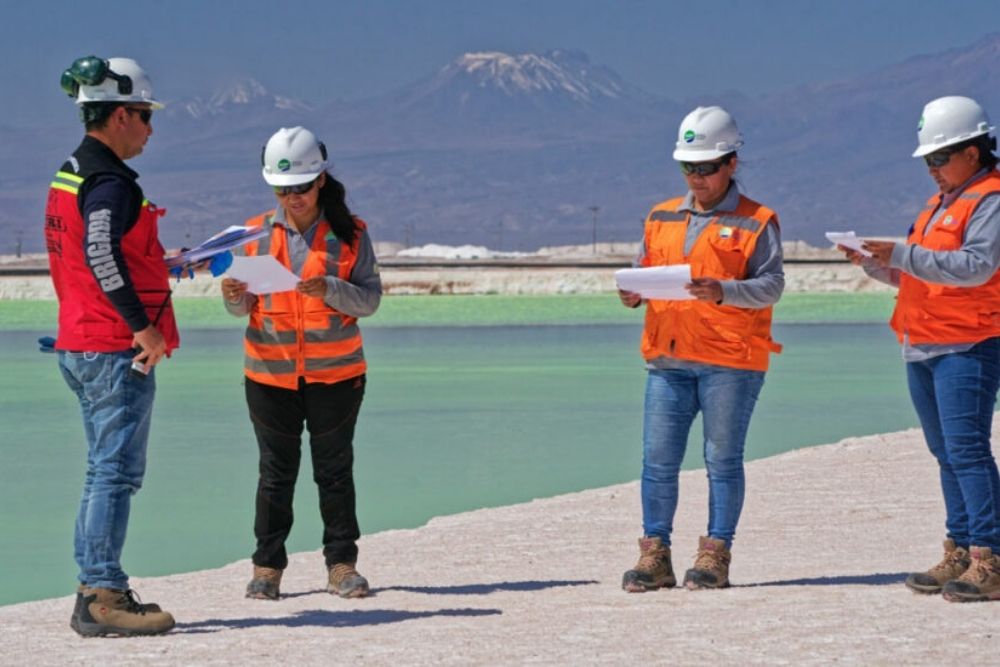
SQM, a major lithium producer, has announced that its operations in the Salar de Atacama salt flat in Chile have received IRMA (Initiative for Responsible Mining Assurance) certification. This certification measures the environmental and social performance of mine sites based on rigorous standards set by the IRMA.
OPEC+ fractures emerge amid Saudi push for accelerated production
The push by several OPEC+ members to accelerate oil production hikes for a second month in June underscores the growing tensions and diverging priorities within the group as it grapples with compliance issues, price volatility, and geopolitical pressures.
The move follows a surprising and substantial increase in output of 411,000 barrels per day (bpd) in May—three times the original plan—after Saudi Arabia pressed for a speedier hike. This was largely in response to frustration over fellow members like Kazakhstan and Iraq consistently exceeding their production quotas. The accelerated output strategy, now potentially set to continue into June, signals a deeper internal rift over discipline and strategic direction within the group.