
Shanghai Futures Exchange considers nickel futures to rival London Metal Exchange
- September 15, 2023
- Posted by: Quatro Strategies
- Categories: China, Europe, Mining & Metals

The Shanghai Futures Exchange (ShFE) is exploring the possibility of introducing nickel futures for international use, potentially challenging the London Metal Exchange’s (LME) contract. The move comes after a trading crisis in March 2022 severely impacted market confidence in LME’s nickel prices, which had long served as a global benchmark. ShFE is assessing the nickel market’s structure, supply, demand, and other factors at the behest of industry participants seeking alternatives.
To provide international firms access to these futures, ShFE would introduce the contracts on its International Energy Exchange (INE), where commodities like copper, crude oil, and rubber are traded in yuan. The specifics of when the nickel future might launch and its contract specifications remain undecided as ShFE is currently engaging in consultations with the industry.
Two potential deliverable materials for the INE contract being considered are nickel briquette and pressed metal powder. On the other side, CME Group is also exploring the launch of a nickel contract that would settle against prices gathered from a platform to be launched by British-based Global Commodities Holdings (GCH). Abaxx in Singapore is also working towards launching a nickel sulphate contract, the first of its kind, targeting the type of nickel used in lithium-ion rechargeable batteries for electric vehicles.
ShFE’s INE had previously introduced a physically deliverable copper contract in 2020, aiming to bolster the domestic market’s influence over metal prices used in the power and construction sectors. However, the liquidity of the INE copper contract has been low, prompting efforts to expand warehousing networks outside China to enhance volumes and liquidity.
Interested in learning more?
Sign up for Top Insights Today

Top Insights Today delivers the latest insights straight to your inbox.
You will get daily industry insights on
Oil & Gas, Rare Earths & Commodities, Mining & Metals, EVs & Battery Technology, ESG & Renewable Energy, AI & Semiconductors, Aerospace & Defense, Sanctions & Regulation, Business & Politics.
Read more insights
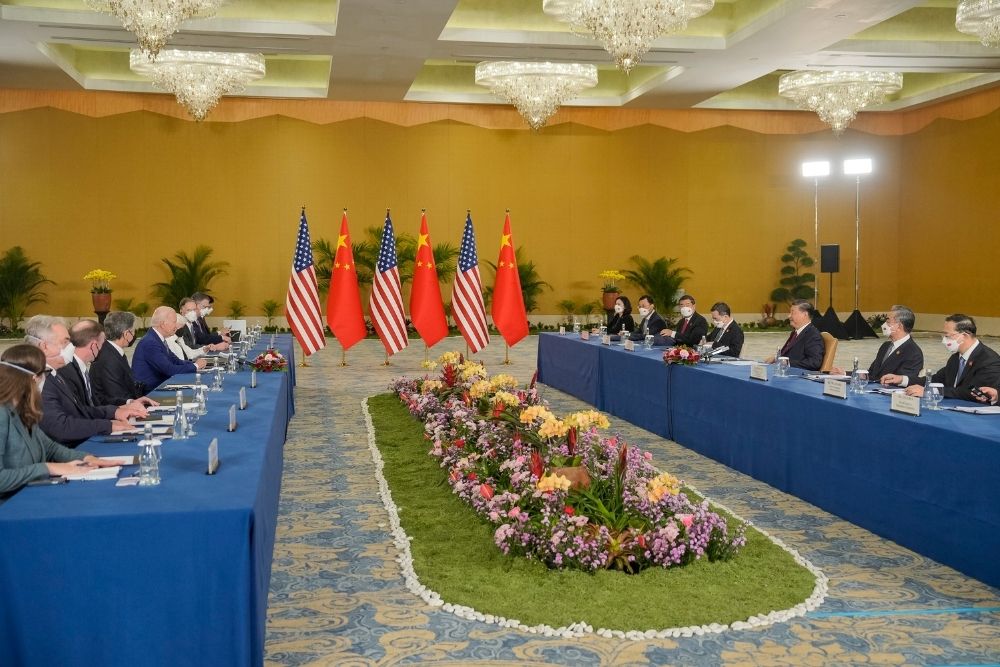
Biden, Xi scheduled to meet in the U.S. on Wednesday
U.S. President Joe Biden and Chinese leader Xi Jinping are scheduled to meet for the first time in a year, with talks set to cover a range of critical issues, including military conflicts and the role of artificial intelligence. The meeting, taking place on the sidelines of the Asia-Pacific Economic…
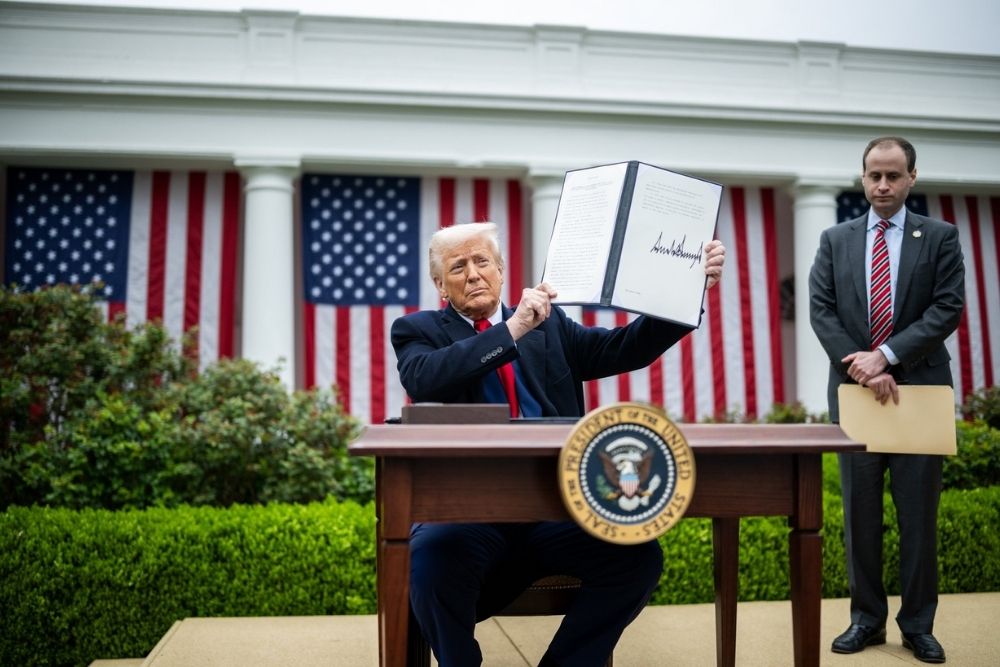
Era of globalization reverses as U.S. tariffs ripple through world economy
President Donald Trump’s massive new wave of tariffs sends an unmistakable signal to both American and international businesses: the era of unfettered globalization is coming to an abrupt end. Trump’s so-called “Liberation Day” tariff package, announced Wednesday, imposes broad-ranging duties on trillions of dollars worth of imported goods, reflecting a clear preference that products sold in the United States should be manufactured domestically.
This marks a sharp departure from decades of U.S. policies promoting global trade integration. The administration’s new tariffs introduce a standard baseline levy of 10% on most foreign imports, accompanied by significantly higher “reciprocal” tariffs targeting countries with large trade surpluses.

Global bismuth crisis deepens as supply dwindles, prices hit all-time high
Bismuth prices in Europe and the United States have soared to record highs as China’s export restrictions on the metal squeeze global supply. The price of bismuth on the European spot market has jumped to $40 per pound, an all-time high, compared to $6 per pound in late January, marking a more than six-fold increase. In the U.S., prices have climbed even further to $55 per pound, compared to $6.50–$7 before China’s export curbs.
Traders attribute the higher U.S. prices to President Donald Trump’s tariffs on Chinese imports, which have further inflated costs in an already tight market. The supply crisis stems from China’s February decision to impose export controls on five critical metals—tungsten, tellurium, molybdenum, bismuth, and indium—in response to Trump’s broad import duties.