
Southeast Asian firms looking at U.S. IPOs to replace Chinese companies
- September 19, 2023
- Posted by: Quatro Strategies
- Categories: Asia Pacific, Business & Politics, United States
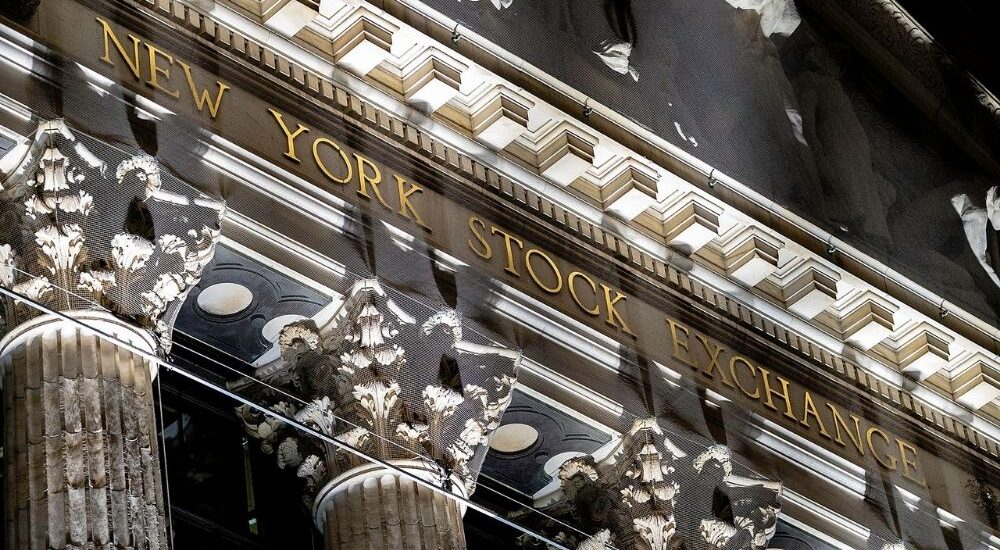
Several Southeast Asian companies are contemplating initial public offerings (IPOs) in the United States, seizing the opportunity created by strong investor interest in emerging market growth, particularly in light of the pause in Chinese stock offerings. This marks a significant shift, especially as Chinese companies had halted U.S. IPOs due to heightened political tensions with Washington and increased scrutiny from the Beijing government. Now, companies from Southeast Asia are eyeing the U.S. market as an attractive avenue for their IPOs, potentially filling the void left by Chinese firms.
The Association of Southeast Asian Nations (ASEAN), which includes countries like Thailand, Singapore, Malaysia, and Vietnam, is seeing a resurgence in companies looking to go public in the U.S. ASEAN has been largely overshadowed by China’s influence, but with the world reopening after the pandemic and the ensuing economic fallout impacting Chinese competitors, ASEAN companies are stepping into the spotlight.
In particular, several Southeast Asian firms, including those in technology, logistics, mining, electric vehicles, and renewable energy sectors, are considering raising substantial capital through listings in the U.S. These companies are aiming to raise amounts ranging from $300 million to $1 billion, with valuations estimated between $1.5 billion and $8 billion.
Investors seeking exposure to emerging markets are finding Southeast Asia an attractive option due to the region’s strong economic growth and expanding population. For instance, Indonesia, the largest economy in Southeast Asia, has experienced accelerated growth, driven by robust household and government spending. This growth trajectory is encouraging for investors looking to diversify their portfolios with emerging market assets.
For the companies considering U.S. listings, there are several advantages, including access to a deep pool of capital and a global investor base. The U.S. market provides a vast platform for companies to attract substantial funding and gain visibility among international investors.
However, analysts caution that the expected uptick in Southeast Asian listings could face challenges related to share volatility and stringent investor scrutiny. Despite this, the potential for companies from ASEAN to make their mark in the U.S. market is significant, offering promising opportunities for both the companies and investors alike.
By QUATRO Strategies International Inc.
QUATRO Strategies International Inc. is the leading business insights and corporate strategy company based in Toronto, Ontario. Through our unique services, we counsel our clients on their key strategic issues, leveraging our deep industry expertise and using analytical rigor to help them make informed decisions to establish a competitive edge in the marketplace.
Interested in learning more?
Sign up for Top Insights Today

Top Insights Today delivers the latest insights straight to your inbox.
You will get daily industry insights on
Oil & Gas, Rare Earths & Commodities, Mining & Metals, EVs & Battery Technology, ESG & Renewable Energy, AI & Semiconductors, Aerospace & Defense, Sanctions & Regulation, Business & Politics.
Read more insights
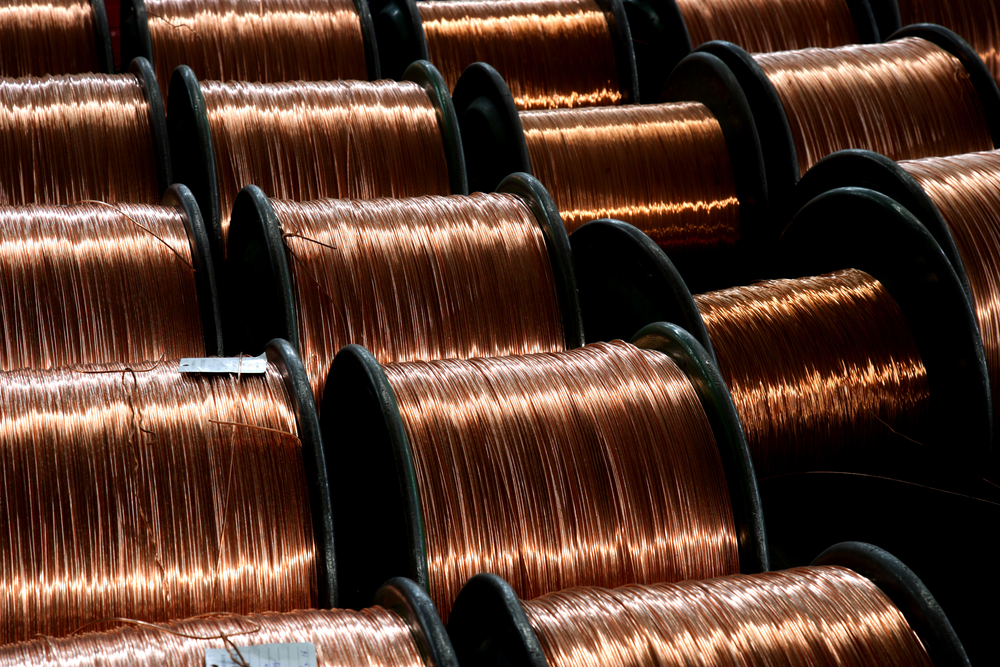
Copper leads gains as markets welcome 90-day pause in trade war
Industrial metals rose on Tuesday as markets balanced optimism from the temporary US-China tariff truce with lingering concerns about inflation and economic growth. Copper led gains, climbing 0.8% to close at $9,599.50 per ton on the London Metal Exchange.
Zinc rose 0.9%, while aluminum edged up 0.4%. The gains followed the announcement of a 90-day pause in tariff hikes between the world’s two largest economies, a move that eased pressure on global commodities after weeks of intense trade-related volatility.

U.S.-Kazakh venture fast-tracks allied supply of tungsten
Washington and Astana are turning a long-overlooked corner of Central Asia into a test case for allied critical-minerals strategy. Under a deal the Trump administration plans to unveil, Cove Capital will take a 70% stake alongside Kazakhstan’s state miner Tau-Ken Samruk to develop the Northern Katpar and Upper Kairakty tungsten deposits, with project costs estimated at roughly $1.1 billion and a U.S. EXIM Bank letter of interest for up to $900 million in financing.
The joint venture will control sales and has pledged to prioritize U.S. government and American commercial needs, a notable line given that the United States hasn’t mined tungsten since 2015 and depends heavily on Chinese supply.
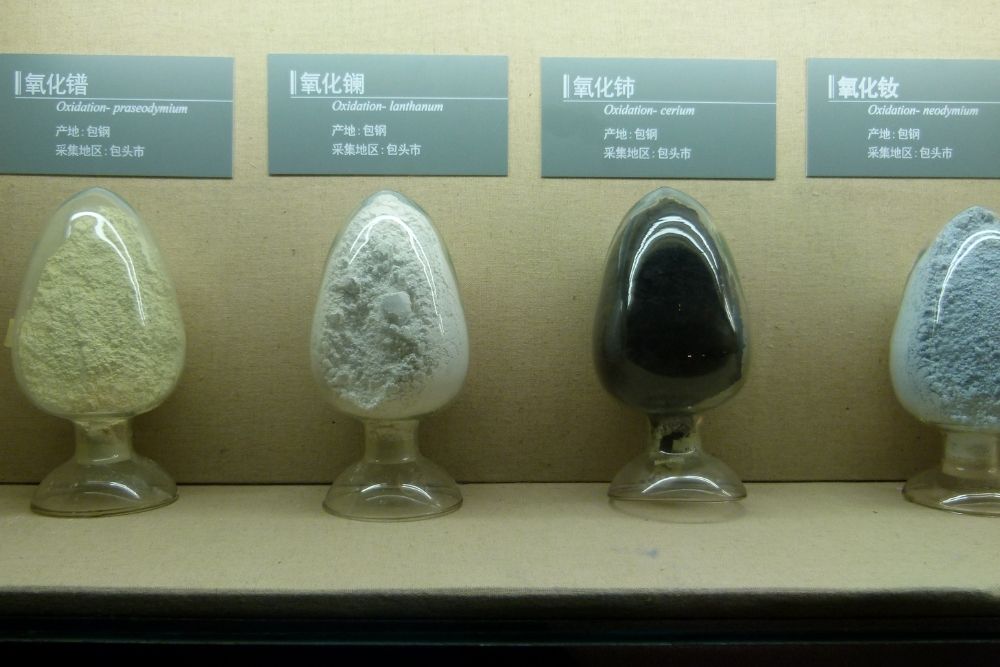
U.S. eyes rare earth reserve to alleviate mineral supply risks
The Trump administration is preparing an executive order to build a strategic U.S. stockpile of deep-sea metals and rare earth elements, aiming to reduce reliance on Chinese supply chains amid rising trade and geopolitical tensions. The proposed stockpile would ensure that the U.S. has secure access to critical materials on its own territory—particularly in the event of conflict or further trade disruption with China, which currently dominates global rare earth production and processing.
The initiative comes as part of a broader strategy to fast-track deep-sea mining projects under U.S. jurisdiction and expand domestic mineral processing infrastructure. The U.S. government is reportedly looking to facilitate commercial mining operations in international waters and increase investment in facilities that can refine rare earths and battery metals onshore.