
Berkhan GünaydınClient Management

areas of expertise
- Political analysis
- Market research
- Foreign Investments
- Corporate Social Responsibility
- M&A transaction support
- Public Policy Support
education
- MBA, Sabanci University
- MBA, Ecole de Management de Lyon
- BA, Political and Social Sciences, Sabanci University
Berkhan Gunaydin has a Social and Political Sciences major degree, and an MBA from Sabanci University in Istanbul. After his graduation, he worked in pharmaceutical, and HR Consulting sectors before joining Quatro Strategies, and Consulting, in 2011 as a junior political consultant.
Mr.Günaydin is in charge of client relations and management at QUATRO Strategies International Inc.
Berkhan Gunaydin conveys his experience on analysis, and statistical evaluation, as well as planning in political and business projects. He is fluent in English, and Turkish.
Read more Insights & analysis on Berkhan's expertise
-
Europe’s energy crisis is becoming a test of political resilience
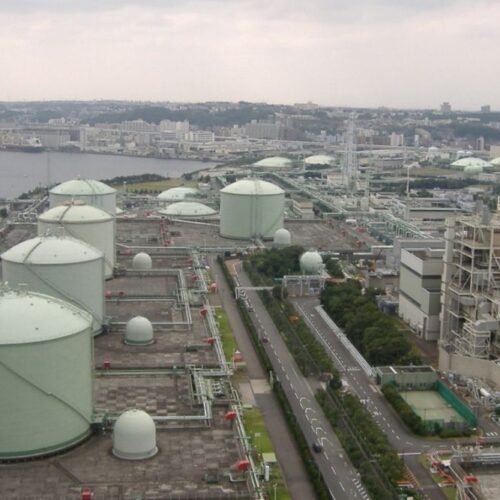
Europe’s renewed energy squeeze is becoming a test of economic resilience and political credibility. Low gas reserves and sharply higher transport fuel costs are exposing governments to several pressures at once: households face another deterioration in purchasing power, manufacturers confront rising operating expenses, and public finances limit the scope for relief.
The danger extends beyond an expensive winter. A prolonged shortage could weaken investment, complicate monetary policy and strengthen parties that argue Europe’s foreign policy commitments have become economically unaffordable.
September 18, 2026 -
U.S.-China trade war is evolving into selective economic bargaining
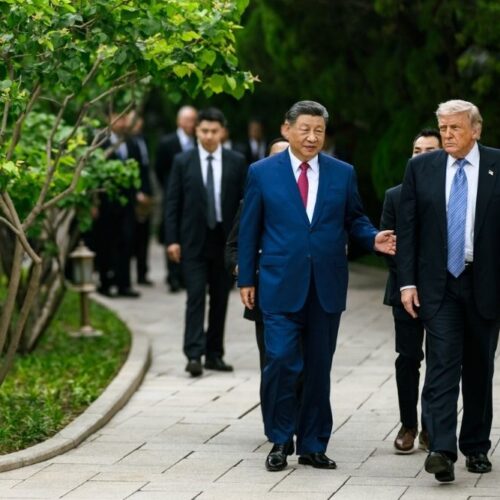
The approaching Trump-Xi summit is likely to test whether the United States and China can exchange selective commercial concessions while preserving their broader strategic rivalry. Agricultural purchases offer Washington visible gains for farmers, energy trade creates opportunities to reopen disrupted business, and rare earth supplies give Beijing influence over critical American industries.
Sanctions add another negotiating instrument, linking bilateral commerce to US policy toward Iran and Russia. These issues create room for an agreement, although each operates through a different combination of political pressure and commercial incentives.
September 18, 2026 -
Europe’s low gas stocks leave winter security exposed to Asian demand
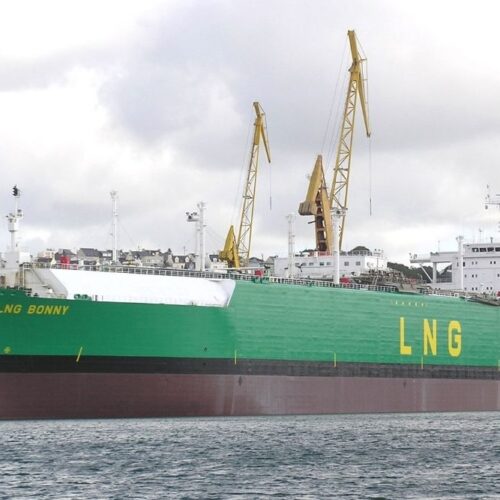
Europe’s depleted gas reserves are increasing the risk that a cold winter will trigger another costly contest with Asia for LNG. Disrupted exports from the Persian Gulf have already tightened global availability, leaving importers with fewer options for meeting seasonal demand.
The danger is particularly acute if Europe and Northeast Asia experience prolonged cold simultaneously. Under those conditions, higher prices would redistribute scarce cargoes among buyers while forcing some industries and consumers to reduce consumption.
September 17, 2026