
U.S. businesses’ optimism on China fell to record low
- September 19, 2023
- Posted by: Quatro Strategies
- Categories: Business & Politics, China, United States
In a recent survey by the American Chamber of Commerce (AmCham) in Shanghai, a sense of pessimism among U.S. businesses operating in China was distinctly evident. The optimism regarding the five-year business outlook in China fell to a record low, dropping to 52%. This decline comes even after the easing of COVID-19 restrictions, which had significantly impacted revenues and sentiment in the preceding year. The chairperson of AmCham Shanghai, Sean Stein, expressed surprise at this decline, citing a diminishing hope for a sustained economic rebound post-COVID-19.
Geopolitical tensions, a long-standing concern, remained a top challenge for businesses, with 60% of the 325 respondents citing U.S.-China tensions as a significant business obstacle. This was on par with concerns about China’s economic slowdown. There’s also a growing worry about the transparency of China’s regulatory environment, with a third of respondents reporting a deterioration in policies and regulations concerning foreign companies in the past year. Interestingly, when asked about pressure to decouple, many respondents pointed to U.S. government policies rather than those of China.
Businesses have been caught in the crossfire of deteriorating relations between the U.S. and China, especially concerning technology access and regulatory actions that have made conducting business in China riskier. U.S. firms have voiced apprehensions about fines, raids, and other actions affecting their operations in China. Last month, U.S. Commerce Secretary Gina Raimondo mentioned during her visit to China that U.S. companies have labeled China as “uninvestible.”
The survey was conducted before Raimondo’s visit, and since then, companies seem to be reconsidering whether their pessimism was warranted or if there could be a way out of the constant downward slide in U.S.-China relations. In response to these challenges, an increasing number of firms, around 40%, are redirecting or considering redirecting investments initially designated for China, primarily towards Southeast Asia.
India, Mexico, Vietnam, and Malaysia have been receiving the majority of investment redirected from China by U.S. and European firms. This reflects a shifting investment landscape driven by concerns over geopolitical tensions and the desire for diversification.
The survey underscores the increasingly complex and challenging environment for foreign businesses operating in China, shaped by geopolitical tensions, regulatory uncertainties, and the persistent impact of the COVID-19 pandemic on the economic outlook. These factors collectively have led to a decline in overall optimism about the business outlook in China among U.S. companies.
By QUATRO Strategies International Inc.
QUATRO Strategies International Inc. is the leading business insights and corporate strategy company based in Toronto, Ontario. Through our unique services, we counsel our clients on their key strategic issues, leveraging our deep industry expertise and using analytical rigor to help them make informed decisions to establish a competitive edge in the marketplace.
Interested in learning more?
Sign up for Top Insights Today

Top Insights Today delivers the latest insights straight to your inbox.
You will get daily industry insights on
Oil & Gas, Rare Earths & Commodities, Mining & Metals, EVs & Battery Technology, ESG & Renewable Energy, AI & Semiconductors, Aerospace & Defense, Sanctions & Regulation, Business & Politics.
Read more insights

OPEC struggles with Iraq’s overproduction, highlights unity challenges
Iraq’s failure to comply with OPEC’s oil supply cuts agreement has once again highlighted the challenges of maintaining cohesion within the alliance and ensuring adherence to production quotas. Despite OPEC’s efforts to curb oversupply and stabilize oil prices, Iraq produced above its quota…
Beijing deploys rare earth leverage as trade war with U.S. escalates
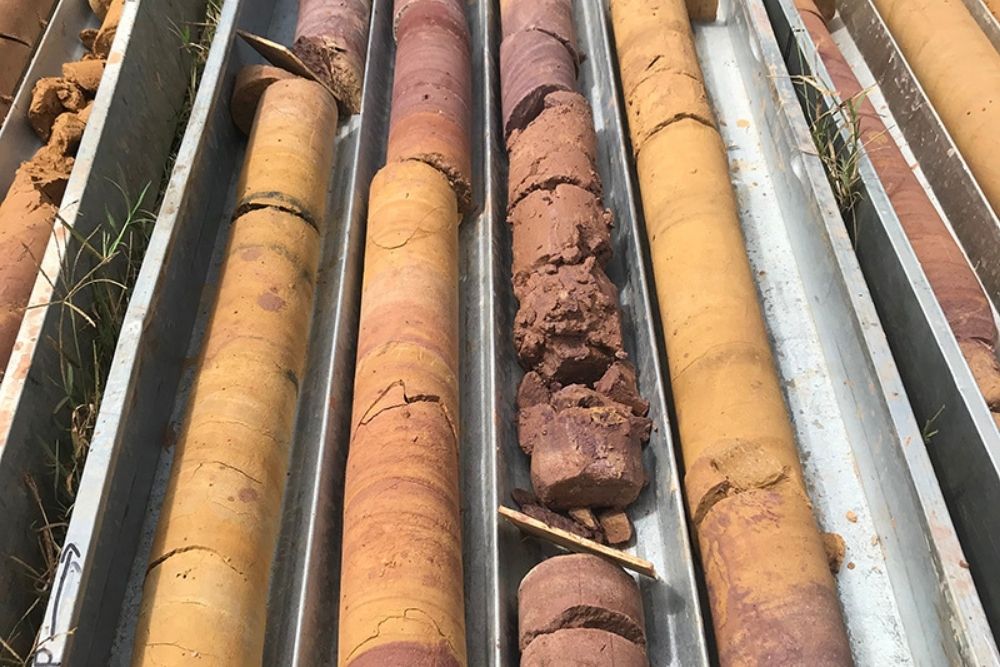
China on Friday moved to restrict exports of several key rare earth elements, escalating its economic retaliation against the United States following President Donald Trump’s sweeping new tariff package. The measures threaten to disrupt global supply chains for critical minerals used in smartphones, electric vehicles, clean energy infrastructure, and advanced defense systems.
According to a statement from the Ministry of Commerce, China will place export controls on seven categories of medium and heavy rare earth elements, including samarium, gadolinium, terbium, dysprosium, lutetium, scandium, and yttrium-related products, effective April 4. These controls apply globally, not just to the U.S., although they are widely viewed as a direct response to Trump’s decision earlier this week to raise average tariffs on Chinese goods to 54%.
China pressure campaign pushes Japan toward faster strategic de-risking
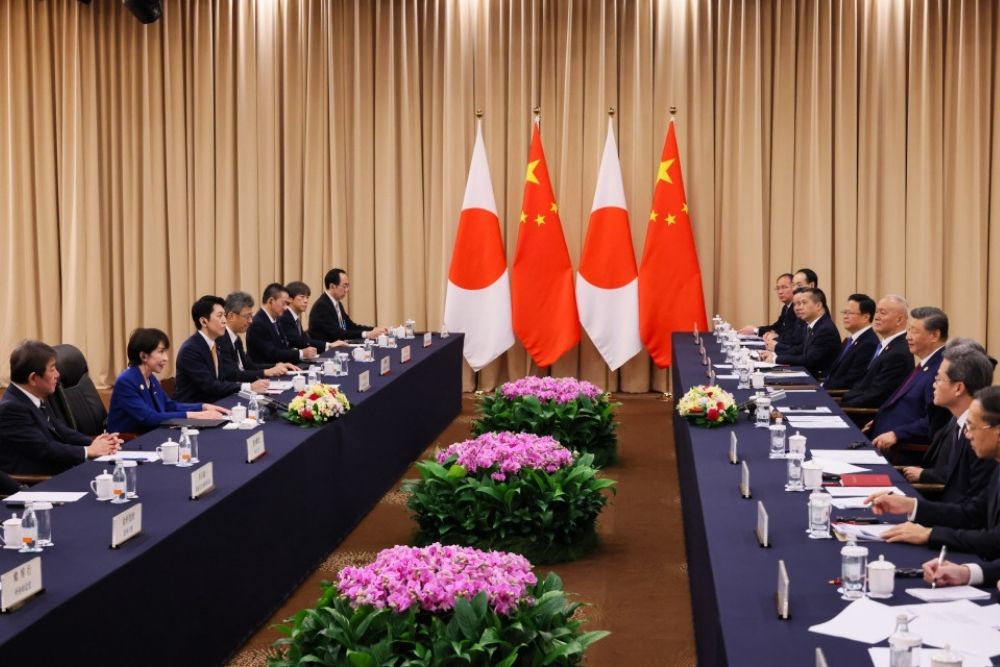
Japan’s response to the latest China-linked shocks has been deliberately non-escalatory: absorb the provocation, register the protest, and keep moving the economy toward lower single country exposure.
The argument now circulating in Tokyo is that, even if Beijing is trying to bait Japan into a tit-for-tat trade fight, especially after China’s new export controls on “dual-use” goods and apparent licensing freezes that are constraining rare earth and magnet shipments to Japanese firms, Japan’s most effective countermeasure is not retaliation in kind, but accelerated risk reduction across the supply chains Beijing has shown it is willing to weaponize.