
U.S. expected to add record 32 GW solar capacity in 2023
- September 13, 2023
- Posted by: Quatro Strategies
- Categories: ESG & Renewable Energy, Sanctions & Regulation, United States
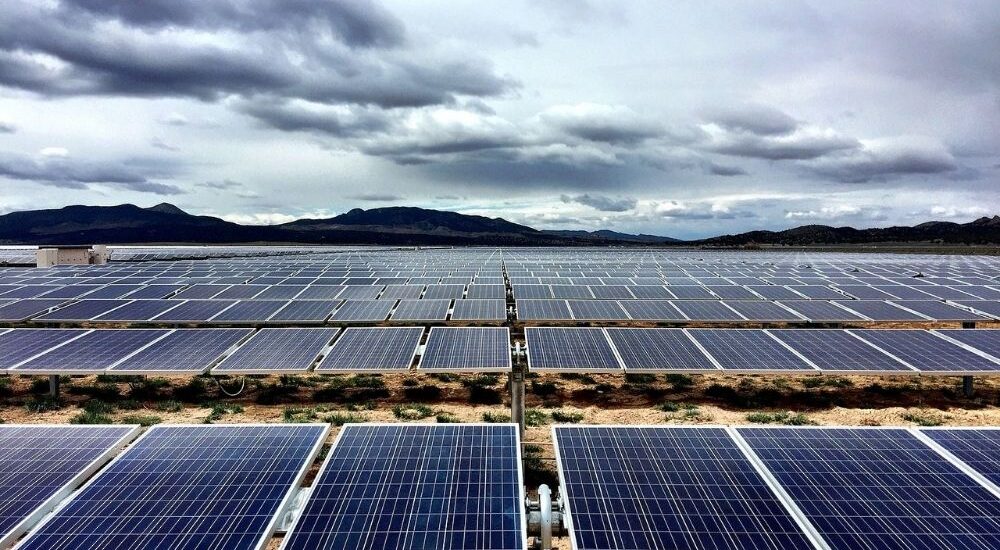
The U.S. solar industry is on track to achieve significant growth in 2023, with an expected record addition of 32 gigawatts (GW) of production capacity. This represents a 53% increase over new capacity added in 2022. The growth is attributed to various factors, including investment incentives provided under the Inflation Reduction Act (IRA).
The report, published by the Solar Energy Industries Association (SEIA), also predicts that total operating solar capacity in the U.S. will grow from the current 153 GW to 375 GW by 2028. This growth is expected as supply chain challenges, which were exacerbated by the COVID-19 pandemic and restrictive trade policies, gradually subside.
One significant driver of growth is increased investment in domestic solar manufacturing. If all the plans for new solar module factories materialize, the report suggests that U.S. solar module production could increase tenfold by 2026.
The Inflation Reduction Act, passed in 2022 by the Biden administration, plays a pivotal role in incentivizing the solar industry’s expansion. The IRA allocates approximately $370 billion toward climate change and clean energy initiatives, including incentives aimed at promoting solar and wind power.
The report highlights the positive impact of the IRA on the solar industry, with an increase in announcements for domestic module manufacturing and a wave of optimism within the industry. However, the report also emphasizes the importance of effectively implementing these plans to ensure a stable supply of solar modules.
In February, the Energy Information Administration (EIA) reported that U.S. developers have plans to add 54.5 GW of new electric generating capacity in 2023, with more than 50% of it driven by solar energy sources.
The utility-scale and residential solar markets have been leading the way in new capacity additions, with particular growth in residential solar installations, driven by changes in net metering rules in California.
Florida continues to be a prominent state for solar energy, ranking at the top in the first half of 2023 by installing 2.5 GW of new capacity.
Overall, the U.S. solar industry is experiencing significant expansion, driven by policy incentives, increasing investment in domestic manufacturing, and a growing demand for clean energy sources.
Interested in learning more?
Sign up for Top Insights Today

Top Insights Today delivers the latest insights straight to your inbox.
You will get daily industry insights on
Oil & Gas, Rare Earths & Commodities, Mining & Metals, EVs & Battery Technology, ESG & Renewable Energy, AI & Semiconductors, Aerospace & Defense, Sanctions & Regulation, Business & Politics.
Read more insights

Red Sea tensions present complex dynamics for global oil markets and Russia-Saudi alliance
The recent disruptions in the Red Sea, particularly the attacks by Houthi militants prompting rerouting of shipping traffic, are beginning to have complex implications for global oil markets, potentially affecting the enduring alliance between Russia and Saudi Arabia. Major logistics companies…

Chinese battery supplier CNGR pursues major lithium stakes in Argentina
CNGR Advanced Material Co., a Chinese manufacturer of battery components and a supplier to Tesla Inc., is actively seeking to acquire major stakes in brine deposits in Argentina. This move aims to extend the company’s expansion into the lithium-rich region as it builds its own supply chain outside of China…

Market incentives drive anticipated surge in demand for carbon removal credits
The demand for credits related to the engineered removal of carbon dioxide from the atmosphere is anticipated to surge, driven by market-friendly incentives attracting buyers from various sectors such as technology, finance, chemicals, and aviation. Many scientists consider extracting billions of…